
How we work: facts are checked against original sources and linked, cruise prices are verified on the cruise line’s own website the day we publish, and we earn no commissions. Spotted a mistake? Tell us and we will correct it.
The cruise had gone fine. That’s the part worth holding onto.
Two men from Lubbock, both in their twenties, had driven across Texas to Galveston, left the car in the terminal lot, sailed out of Royal Caribbean’s Cruise Terminal 10, and come home again with the tan and the luggage and the mild sadness of a holiday ending.
Then they walked up to their car and found it full of baby spiders.
Not a spider. Not a few spiders. According to the Uber driver standing right there, it was “little spiders everywhere” — and theirs wasn’t the only car in the lot like it.
Nobody was hurt, nothing was stolen, and no cruise line did anything wrong. Which turns out to be exactly the problem: when this happens to your car at a cruise port, there is essentially nobody you can send the bill to.
What Actually Happened at Terminal 10
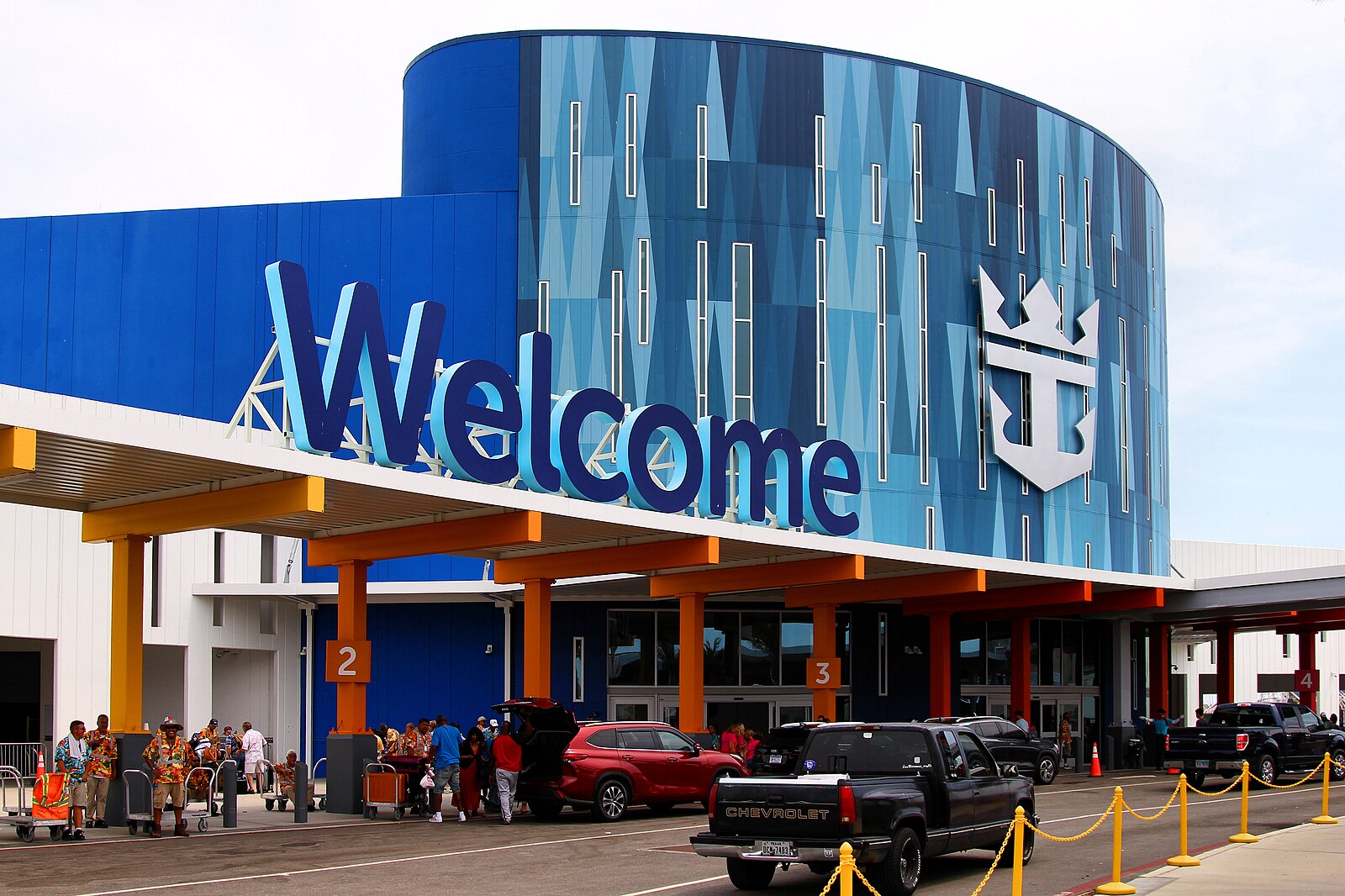
The driver is Donnie Broussard, and he is the reason any of us know about this. He picked the two men up, heard what had happened, and posted an account on Sunday night in the Galveston Talk Facebook group. On Monday he spoke to Chron, the Houston Chronicle’s sister site and the only outlet that has actually interviewed him.
The men were, Broussard said, “freaked out.” He drove them to the Galveston Walmart “to get some pesticide to kill [the spiders] so they could drive home.” A handful of other returning passengers walked into the same surprise.
His first instinct was the sensible one, and he said it out loud: “I thought they might have brought [the spiders] from where they came from. But that wouldn’t explain the other cars.” He knows the lot, too — years at the Texas Department of Criminal Justice medical facility next door to the port, then seven driving cruise passengers out of those lots. He had never seen it before.
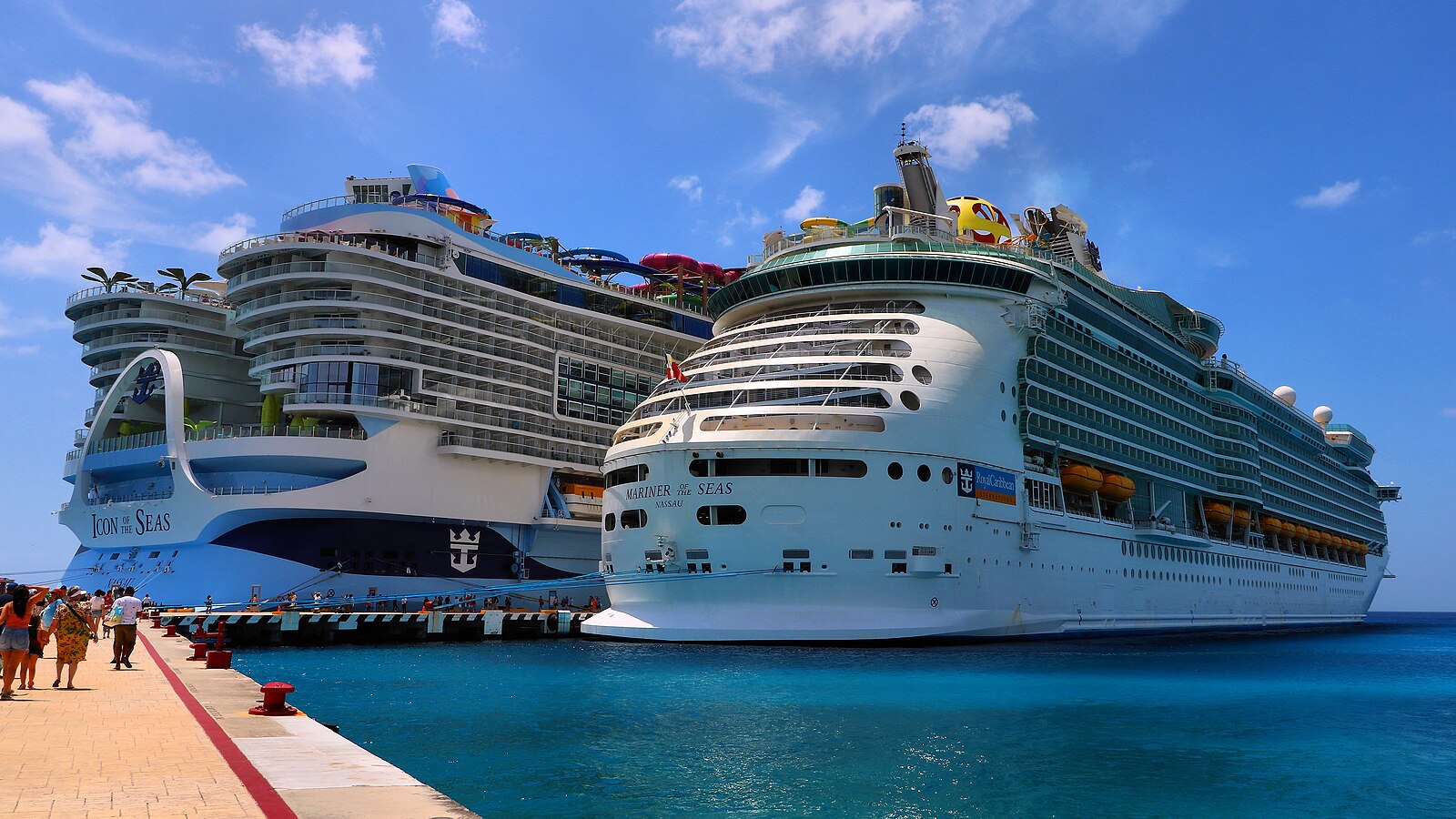
Some honest caveats, because the detail is thinner than the headlines suggest. Broussard says it happened “a few weeks ago”; nobody has pinned a date. Nobody has named the ship — the only two Royal Caribbean vessels homeported at Galveston are Mariner of the Seas and Symphony of the Seas, so it was one of those, and that is as close as anyone can honestly get. Nobody identified the spiders. And the Port of Galveston, which runs the parking around Terminal 10, has not replied to Chron’s request for comment.
Why a Car Park, and Why September
Every other write-up of this story reached for a pest-control blog or a helpful Facebook commenter. The actual answer sits in a Texas A&M AgriLife Extension publication by entomologists Wizzie Brown and Mike Merchant, and it is better than the folklore.
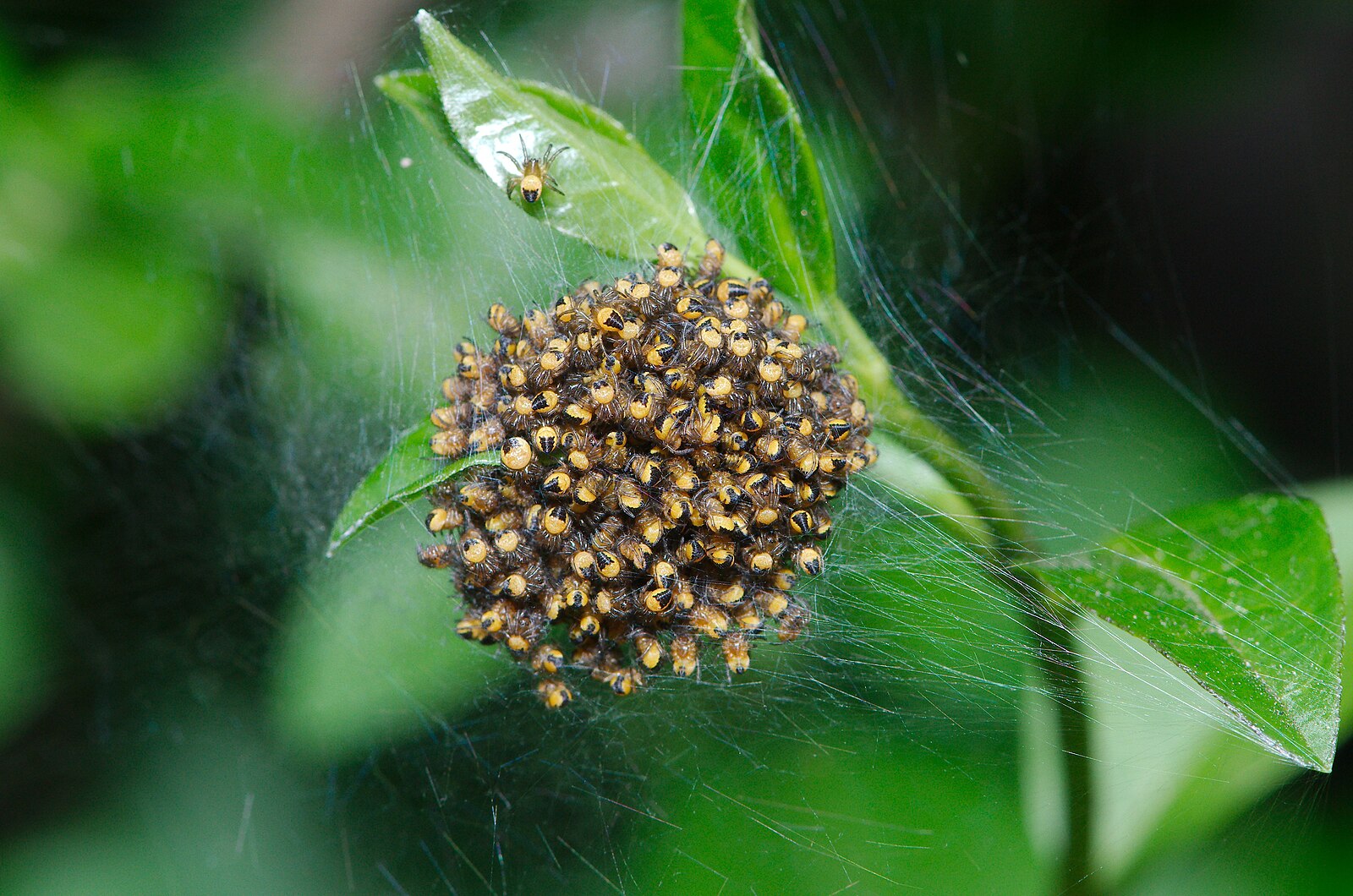
Spiders can’t fly. What they can do is balloon. “Spiderlings spin one or more light silk threads which are caught by the wind and carry the tiny spiders to new locations,” the AgriLife authors write, and it “typically occurs on windy days.”
The British Arachnological Society adds the motive — “young spiders, especially, need to disperse in order to improve their chance of survival” — and the range, which is the line that should make you look differently at a parking lot: “The spiderling may travel a metre or so or hundreds of kilometres.”
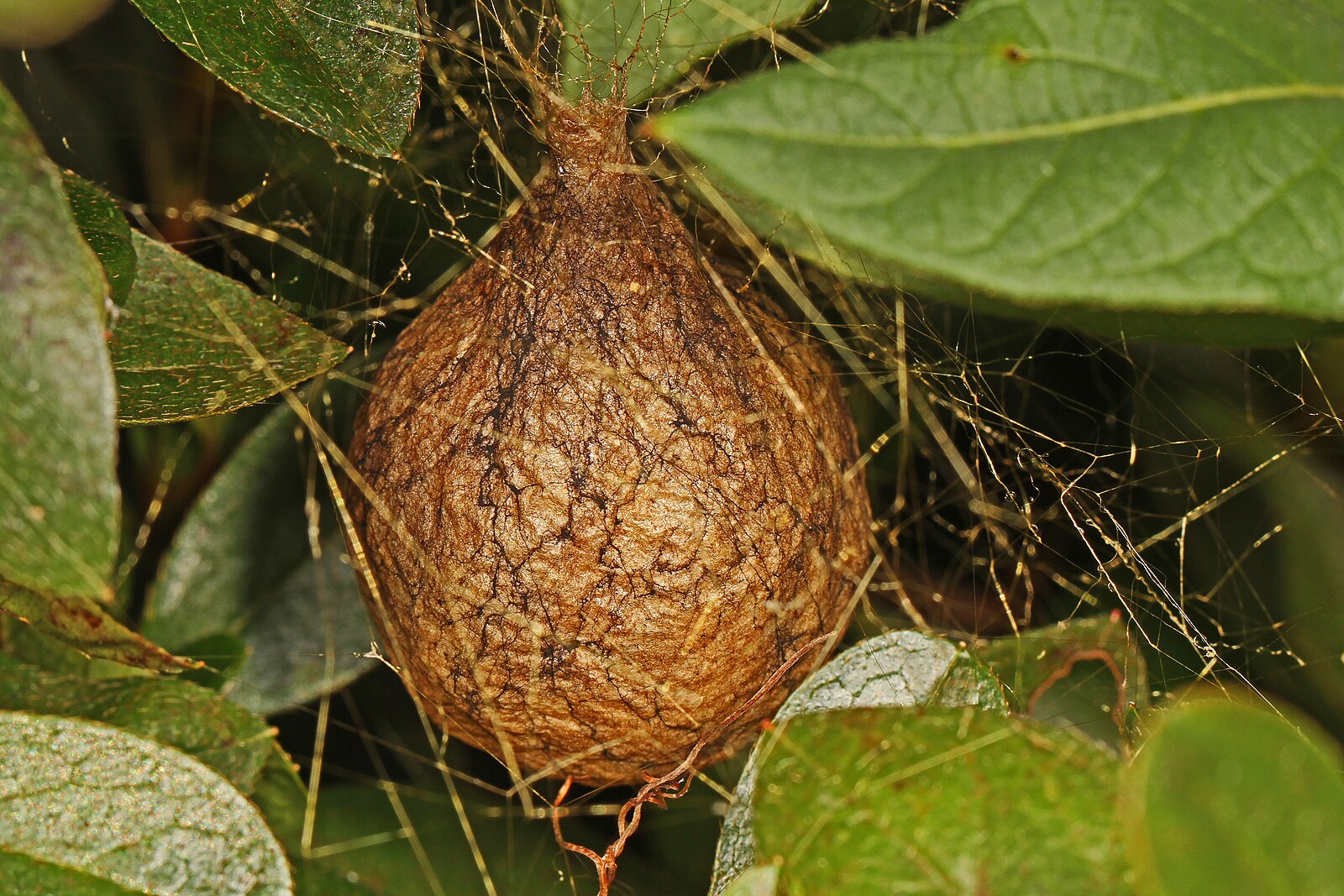
Now the numbers. A single yellow garden spider lays “around 500–1,500 eggs inside” one sac and “can produce multiple egg sacks depending on mating success,” AgriLife’s Wizzie Brown told the service’s own news desk. One adult, one autumn, four figures’ worth of parachutists.
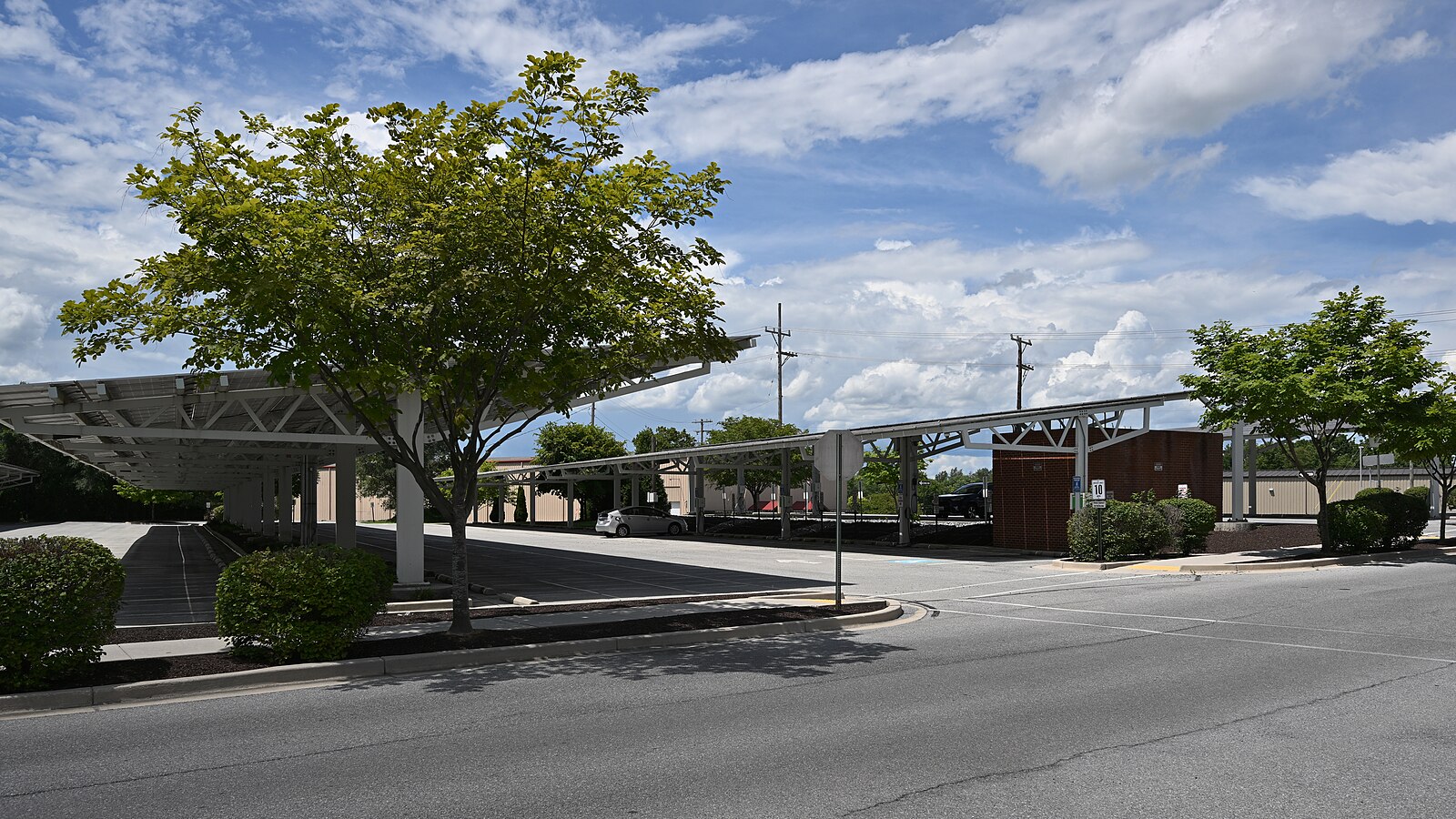
They land on whatever is downwind and standing still. A field. A fence. Or 1,100 parked cars — that being the capacity of the Terminal 10 parking facility, which opened alongside the terminal in November 2022. Consider what a cruise terminal lot is from a spider’s point of view: a warm, wind-exposed grid of objects that do not move for four, five or seven days at a stretch, a few hundred yards from open water and Gulf Coast marsh. Ecologically speaking, it’s a car-shaped meadow.
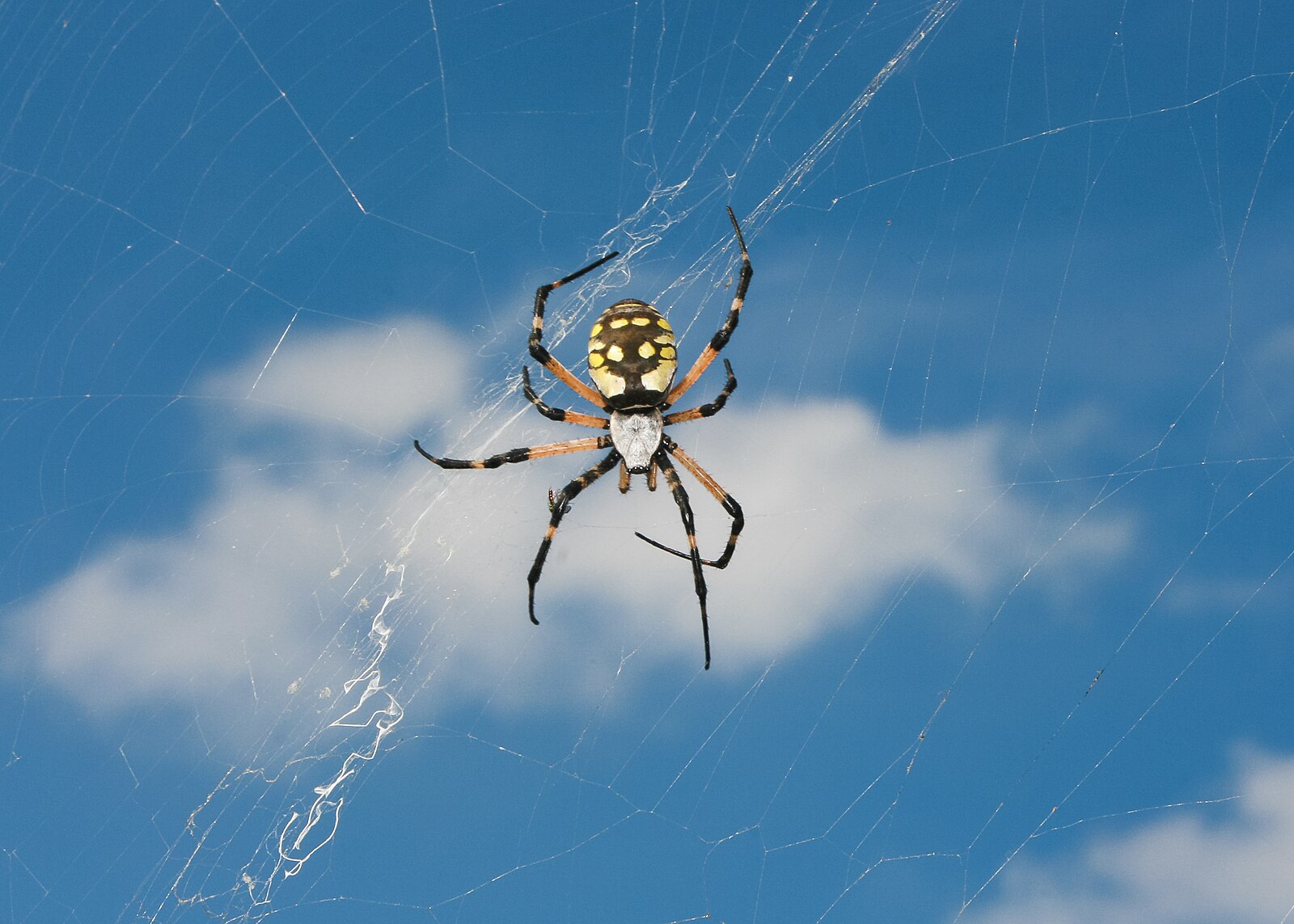
We won’t pretend to know which spider it was. AgriLife notes that yellow garden spider eggs “typically hatch out in late summer or fall” but the spiderlings then overwinter inside the sack — so the showiest suspect probably wasn’t the culprit. What AgriLife does say plainly is the bit that matters for your blood pressure: “Only two types of spiders in Texas are considered medically significant: the brown recluse, Loxoceles spp., and widow spiders, Latrodectus spp.” Ballooning spiderlings are neither. Nuisance, not hazard.
Galveston County has been here before, too. In November 2024, Chron reported gossamer drifting across Galveston, Port Arthur, Alvin, Santa Fe, Bayou Vista and the Texas City Dike, which locals variously called “invisible snow,” “summer snow,” “Mother Nature’s dandruff” and fallout from a SpaceX test flight. It was spiders.
Spiders in Cars Are a Federal Safety Issue. Genuinely.
Here is the detail nobody else covering this story has mentioned: the United States government has formally recalled cars because of spiders.
NHTSA campaign 11V134000 covers roughly 52,000 Mazda6 sedans from the 2009 and 2010 model years. We pulled the record out of the federal recalls database, and the official summary reads, in the agency’s own all-caps deadpan:
“A certain type of spider may weave a web in the evaporative canister vent line and this may cause a restriction in the line… the stress on the fuel tank may eventually result in a crack, potentially leading to fuel leakage and an increased risk of fire.”
The fix, per the same record: dealers would “inspect and clean up the canister vent line, and install a spring to prevent this type of spider from entering the vent line.” A federal safety remedy, for tens of thousands of cars, consisting of a small metal spring and a spider-sized bouncer. The culprit was the yellow sac spider, and Mazda went back for a second recall in April 2014 covering a further 42,000 cars, as IEEE Spectrum reported. (We confirmed the 2011 campaign directly in NHTSA’s database; the 2014 one would not return from the same lookup, so that figure is cited to the reporting, not the record.)
A few hundred spiderlings on your upholstery is an inconvenience. One spider in the wrong three-millimetre hose is a fire risk.
So Who Is Responsible for Your Car? Read This Before Your Next Cruise
We read what each party actually publishes about your parked car. The short version: everyone in this chain has already told you, in writing, that your car is your problem. Most cruisers have never looked.
| Who | What their own published wording says |
|---|---|
| Port of Galveston (official lots) | Its parking FAQ promises that “our lots are monitored 24/7 by the Port of Galveston Police Department” — a commitment about crime, not about weather or wildlife. No liability wording appears on the parking pages at all. |
| Royal Caribbean | Its own Galveston FAQ is one sentence long on this: “Royal Caribbean is not responsible for theft or damage to vehicles.” |
| A private Galveston lot (EZ Cruise Parking, as an example) | “Only a license is granted hereby… no lease, bailment or bailee custody is intended or shall be created.” It “does not become an insurer” and “does not guard or assume care, custody or control of your vehicle or its contents,” and is not liable for “fire, theft, loss or damage to the vehicle.” |
| Your car insurer | Comprehensive cover is the only part of a motor policy in play. GEICO describes it as covering “animal-related incidents” — chewed wires, damaged upholstery, “nesting in engine compartments.” A liability-only policy covers none of it. |
That third row does the work, and it’s worth slowing down for. “No bailment” is the whole ball game. A bailment is what happens when you hand something of yours into somebody else’s keeping — a coat check, a valet, a repair shop. The bailee has a duty to look after it.
Cruise parking is written specifically to be not that. You are not handing over a car; you are renting a rectangle of asphalt, and you happen to leave a car standing on it. Nobody has custody. Nobody is watching. Nobody has promised you anything except that a police officer will drive past now and then.
Which leaves the insurer, and there’s the gap. Comprehensive cover is written around animals doing measurable damage. A few hundred spiderlings on the dashboard cause no damage at all — they just make the car unusable until you deal with them. We could not find a single insurer page that addresses spiders specifically, and we looked. Realistically, a claim like this dies against the deductible before anyone has to rule on it.
Whatever You Do, Don’t Bug-Bomb Your Car
This is the part we most want you to take away, because it’s the advice nobody gave those two men on their way to Walmart.
Buying a spray is fine. Setting off a total release fogger — a bug bomb — inside a sealed car is not. The National Pesticide Information Center, run with the EPA, is blunt: “Do not use foggers in small, enclosed spaces, such as in closets, cabinets, and most vehicles.”
Two reasons, both real. First, it doesn’t work: “They do not spray out gas and do not reach into unexposed voids, cracks and crevices, where pests may hide” — which describes most of a car interior. Second, and more seriously, “fogger contents can catch fire and pose explosion hazards.” The EPA notes that “the aerosol propellants in these foggers typically are flammable, improper use may cause a fire or explosion,” and recommends keeping one “six feet or farther from all ignition sources.” A car cabin does not contain six feet of anything, and it is full of electrical relays that click on and off by themselves. One 6 oz. fogger, the EPA adds, is sized to treat “up to 25 by 25 feet.” Your car is not 25 by 25 feet.
What to Actually Do
- Open everything and wait. All four doors, boot, windows down, fifteen minutes in the sun. Dispersing is the entire point of a spiderling’s existence right now; most will leave on their own.
- Vacuum, don’t fumigate. A shop vac at the nearest service station handles this better than any chemical, and no version of it can explode.
- Close the vents and windows before you sail. Recirculate mode, windows fully up, sunroof shut. It costs nothing and it’s the only preventive step genuinely within your control.
- Check your comprehensive cover before you book. Carry liability only and nothing that happens to a stationary car for seven days is covered — not hail, not a falling branch, not wildlife. Galveston is on the Gulf Coast in hurricane season. Spiders are the least of it.
- Photograph the car when you park it. Two minutes, all four sides and the interior. It settles every later argument about what was and wasn’t there.
- Tell the port anyway. Its parking office is on (409) 766-6163. It may owe you nothing, but nobody treats a problem they haven’t been told about — and the next 1,100 cars are already on their way.
The Bottom Line
Cruising has an enormous amount of fine print, and almost all of it concerns what happens while you’re aboard. This story is about the days your car spends in a field of asphalt on the Texas coast while you’re at sea — which nobody’s contract covers, because nobody ever agreed to look after it.
Everyone behaved reasonably. The port did nothing wrong, Royal Caribbean did nothing wrong, and the spiders were doing the single thing spiders do in September. The system just has a hole in it exactly the size of a parked car, and two men from Lubbock found it.
So wind the windows up, take the photos, and know before you sail whether your policy would pay. And when you get back and the car is fine — as it will be, almost every time — treat that as a small, silent piece of luck rather than a service you bought.
Cruise Chaos earns nothing from cruise lines, ports, parking operators or insurers, and we don’t run booking affiliate links. If we’ve got something wrong here, tell us and we’ll correct it in the open.
Coming up on Cruise Chaos: more chaos from the high seas — whatever the ocean, the weather and several thousand people in swimwear manage to produce next.
🎁 Get our free Cruise Survival Kit. Join the Cruise Chaos crew and we’ll email you our printable packing checklist and money-saving cheat sheet right away, plus the week’s best cruise stories and verified deals every Friday. Send me the free kit →
Keep Reading
- Do You Need Insurance for a Cruise? What Your Ticket Contract Says You’ll Pay
- What Happens If a Cruise Leaves You Behind? The Bill, the Rules and the $996 Nobody Mentions
- When a Cruise Vacation Goes Viral: How to Protect Your Privacy and Reputation at Sea
Sources
- Chron: Galveston cruise passengers find spiders on their car (the original interview with Donnie Broussard)
- Cruise Hive: Spider Infestation Greets Royal Caribbean Guests After Debarkation
- Royal Caribbean Blog: Cruise ship passengers return to spider-infested car
- Chron: Galveston County skies filled with flying spider babies, unsettling locals (November 2024)
- Texas A&M AgriLife Extension: Spiders in Texas — Types, Benefits and Safety Tips (Wizzie Brown and Mike Merchant)
- AgriLife Today: Yellow garden spiders good for yards, gardens
- British Arachnological Society: Flying Spiders
- NHTSA recalls database, campaign 11V134000 (Mazda6, fuel tank, spider webs in the evaporative canister vent line)
- IEEE Spectrum: Spiders Prompt Mazda to Recall Cars for Software Update
- Port of Galveston: Cruise Parking FAQs
- Royal Caribbean: Where is the Port of Galveston? Directions and parking
- EZ Cruise Parking: Terms and Conditions
- GEICO: Does Car Insurance Cover Rodent Damage?
- National Pesticide Information Center: Total Release Foggers
- US EPA: Safety Precautions for Total Release Foggers
- Parking & Mobility: Port of Galveston Terminal 10 Parking Facility
You May Also Like
 It Rained Inside Anthem of the Seas: Why Cruise Ships Keep Springing Indoor Waterfalls
 “Where’s My $1,100?” The Cruise Hot Tub Showdown and the Booking Trap Behind It
 “They Took My Balcony Handle”: What Carnival Actually Does When a Guest Drinks Too Much
 A Joke, a Nightclub, 13 Charges: The Costa Smeralda Brawl and the Law at Sea