

How we work: facts are checked against original sources and linked, cruise prices are verified on the cruise line’s own website the day we publish, and we earn no commissions. Spotted a mistake? Tell us and we will correct it.
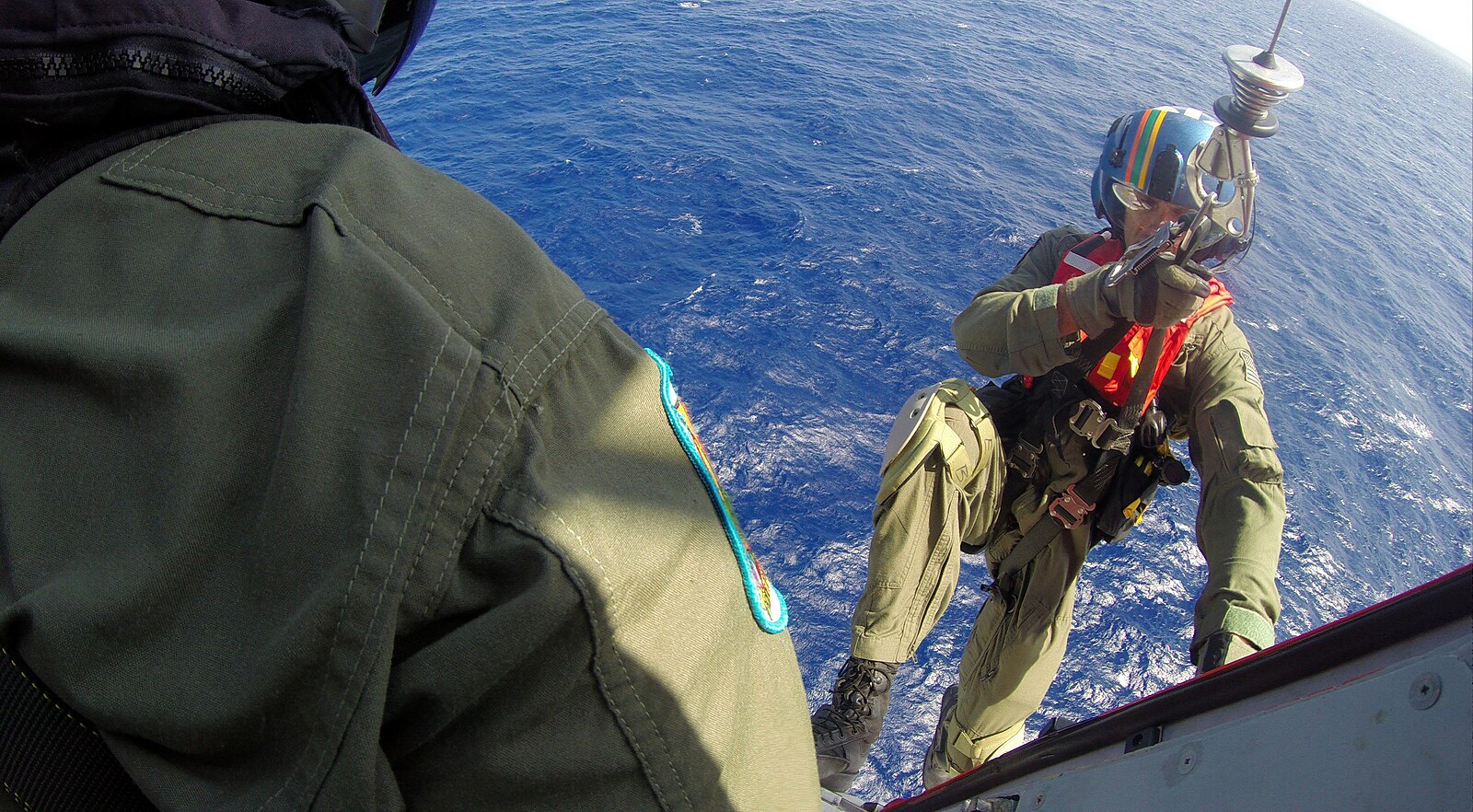
At 3:19 p.m. on a Wednesday in April 2026, a crew member aboard Celebrity Solstice picked up the radio and asked the United States Coast Guard for a helicopter.
The ship was 276 miles southwest of Oahu. A 78-year-old passenger was seriously ill. There is no road out of that.
What followed was an MH-65 Dolphin from Air Station Barbers Point, a US Navy Seahawk flying alongside as backup, a night hoist 58 miles offshore and a landing at The Queen’s Medical Center in Honolulu. “Distance offshore and nighttime conditions complicate a hoist,” Lt. Taylor Gibbons of the Coast Guard’s Oceania District said afterwards.
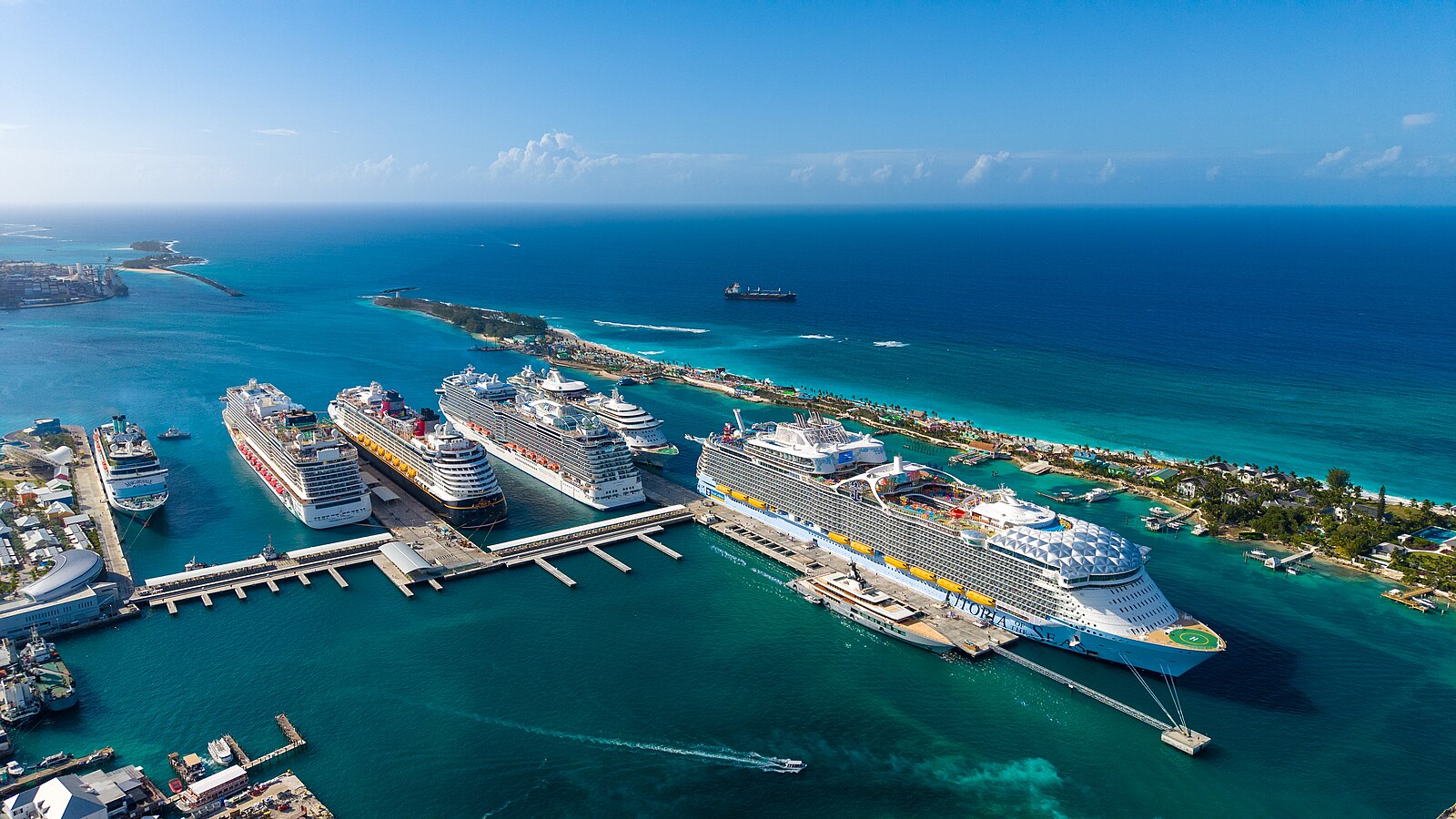
Here is the part nobody tells you: the helicopter was the cheap bit. Everything around it — the ship’s doctor, the Honolulu hospital, the flight home, the cruise that sailed on without him — lands on the passenger. So we read the contracts and all five big lines’ plan documents to find out exactly how much.
Do You Need Insurance for a Cruise? The Short Answer
No major American cruise line will stop you boarding without travel insurance — but your ticket contract says you personally pay for any medical care and any emergency transport, and Medicare almost certainly will not cover you at sea. That combination is why cruise insurance is not optional in the way travel insurance usually feels optional. Several British lines go further and make it a condition of the contract: no policy, no boarding.
What Your Ticket Contract Already Says You’ll Pay
Nobody reads the ticket contract. It is the most quietly brutal document in travel. Here is Royal Caribbean’s current US guest ticket contract, Section 5, in three parts.
On whether help is coming (5.b): “medical evacuation may not be possible from the Vessel while at sea or from every location to which the Vessel sails.”
On the ship’s doctor (5.c): medical personnel treating a guest “work directly for the Guest” as “independent contractors,” and the carrier “assumes no liability whatsoever for any treatment, failure to treat, diagnosis, misdiagnosis, actual or alleged malpractice.”
On the bill (5.d): “Guest shall pay for all medical care or other personal services requested or required, whether onboard or ashore, including the cost of any emergency medical care or transportation incurred by Carrier… If Guest is unable to pay and the Carrier pays for such expenses, then Guest shall reimburse Carrier.”
Read that last line again. If the cruise line fronts your evacuation because you cannot, it is a loan, not a gift.
Britain’s Fred. Olsen is blunter still. Clause 11.2 of its terms calls the ship’s medical centre “a private healthcare service, meaning you have to pay fees for medical care, medications and supplies.” Then clause 11.5, the sentence that should end the debate — once you go ashore to a hospital, “your travel insurer and their assistance company are responsible for arranging your medical care and transport home, including flights if needed… we cannot delay the ship’s departure.“
Why Your Health Insurance Stops at the Gangway
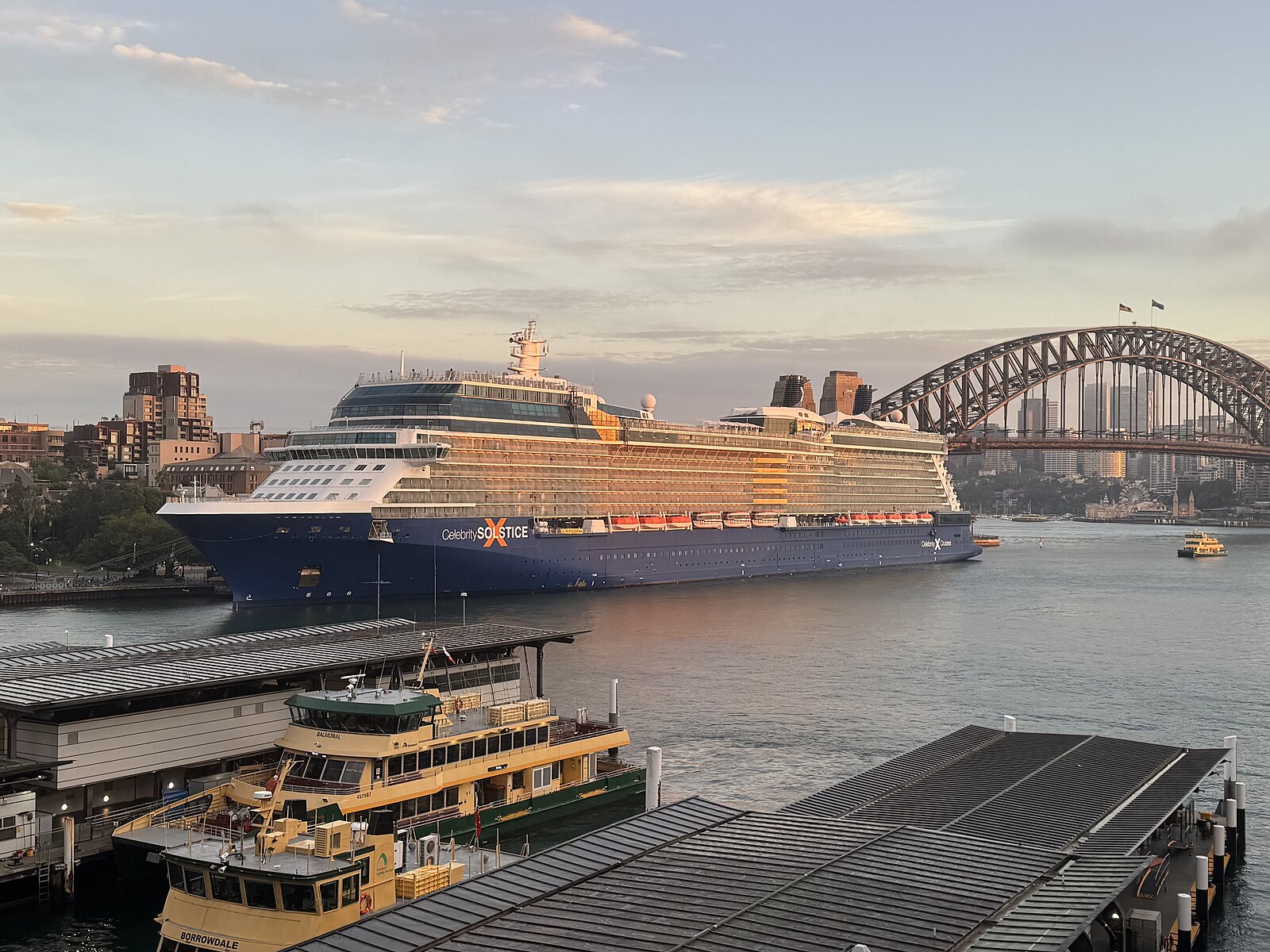
Medicare does have a cruise ship rule. It is just far smaller than people assume. Medicare.gov says Part B may pay for medically necessary services onboard only if “the doctor is legally allowed to provide medical services on the ship” and “the ship is in a U.S. port, or no more than 6 hours away from a U.S. port, when you get the services.” The ship’s doctor also has to file the claim.
Six hours at cruising speed is roughly 120 nautical miles. On a Caribbean sailing you are usually outside that window by the first evening. Off Oahu, that ship was more than twice as far out. The CDC’s Yellow Book drops the hedging altogether: “Except in limited circumstances, the Social Security Medicare program does not provide coverage for medical costs incurred outside the United States, nor does it cover medical evacuation.”
British readers, your GHIC will not save you either. The UK government’s own guidance says “EHIC and GHIC are not alternatives to travel insurance as they do not cover any private medical healthcare costs, repatriation or additional costs,” and adds a line aimed squarely at cruisers: “cruises generally require an additional level of cover because it is more difficult to get to hospital for treatment.”
What the Ship’s Medical Centre Charges — and What Evacuation Costs
The CDC states the principle plainly: “The cost of onboard medical care — clinician exam, tests, and medications — is typically not included with a voyage’s expense.”
For a real invoice, The Points Guy published his own: $214.80 — $170 for professional services and $44.80 for ten antibiotic tablets. Note the mechanics as much as the money. You sign an authorisation to charge your stateroom account, the ship does not bill your insurer, and you claim it back yourself afterwards.
That end of it will not bankrupt anyone. The problem is the tail. The CDC’s cruise chapter gives the split: roughly 95% of acute illnesses and injuries are managed onboard and the remaining 5% require evacuation. One in twenty is not a freak event.
And here is the number that should decide your policy, again from the CDC: “The total cost of a medevac varies by location, ranging from USD 25,000 for transport within North America to over USD 250,000 for more distant and remote locations.” The UK government’s worked examples run the same way — £80,000+ for surgery and repatriation after a quad bike crash in Greece, £150,000+ for a hospital stay in the United States.
One piece of genuinely good news: in US waters the helicopter itself does not come with an invoice. 14 U.S.C. § 521 authorises the Coast Guard to “perform any and all acts necessary to rescue and aid individuals” and even to furnish “clothing, food, lodging, medicines, and other necessary supplies and services to individuals succored by the Coast Guard.” The only cost-recovery provision in the whole section runs against people who fake a distress call. Nothing in it bills the rescued.
The catch is geography. Break down off a Greek island, in the South Pacific or in Antarctica and what comes is a commercial air ambulance with a price list. That is where the CDC’s $250,000 lives.
The Cruise Line’s Own Plan vs What It Would Have to Pay
Every big line sells you a plan at the booking screen. They are not remotely the same product.
| Line’s own plan | Cancel for any other reason | Medical expenses | Emergency evacuation | Who cannot buy it |
|---|---|---|---|---|
| Royal Caribbean Travel Protection | Up to 90% future cruise credit | $100,000 | $500,000 | New York residents (must enrol direct with Aon Affinity) |
| NorwegianCare (NCL) | Up to 90% NorwegianCare credits | $50,000 accident + $50,000 sickness | $250,000 (+ $25,000 repatriation) | Anyone outside the 50 US states |
| Princess Platinum Protection | 100% of cancellation fees (see flag below) | $20,000 | $100,000 | New York, Puerto Rico, Quebec |
| Holland America CPP Platinum | 90% reimbursement | $20,000 | $75,000 | New York, Puerto Rico, Quebec |
| Carnival Vacation Protection | 75% future cruise credit | $20,000 | $50,000 | New York residents |
Put the evacuation column next to the CDC’s range and the point makes itself. Carnival’s $50,000 cap and Holland America’s $75,000 sit inside the CDC’s stated cost range for a medevac, not above it. For a $25,000 North American transport they are fine. At the distant, remote end they run out, and the balance is yours. Royal Caribbean’s $500,000 and NorwegianCare’s $250,000 clear it.
New Yorkers are locked out, everywhere. Carnival’s plan is “available to U.S. residents of all states except New York.” Royal Caribbean’s says the same. Princess and Holland America both exclude New York, Puerto Rico and Quebec. NorwegianCare is 50 states only. Five plans, five underwriters, one consistent hole.
“Cancel for any reason” mostly means credit, not money. Royal Caribbean and Norwegian pay 90% in credit for their own ships; Carnival pays 75% as a Future Cruise Credit Certificate. You are compensated for a holiday you cannot take with a voucher for another holiday with the same company.
An honest flag on Princess. Princess’s own Vacation Protection page contradicts itself. One answer says Platinum “provides reimbursement for eligible reasons and future cruise credits for any other reason.” A second answer on the same page says Platinum gives “a reimbursement equal to 100% of the prepaid, non-refundable cancellation fees… less the cost of the plan,” right up to departure, with no reason test stated. We cannot reconcile those two sentences, so we are not going to pretend one of them is the rule. Get the answer in writing before you pay.
Where the Small Print Bites: Pre-Existing Conditions

This is where most denied claims come from, and it is entirely avoidable. NorwegianCare’s published exclusions bar “Pre-Existing Conditions during the 60 day period immediately prior to the effective date of your plan.” Squaremouth puts the typical look-back at 60 to 180 days and defines the condition broadly — anything you, a family member or a travelling companion has been “diagnosed with, treated for, or shown symptoms of” before the trip.
The fix is a pre-existing condition waiver, and it has a deadline: buy “within 14 to 21 days of your initial trip deposit date,” be medically stable when you buy, and insure the full cost of the trip. Miss that window by a day and no amount of money buys the waiver back.
When Insurance Is Not Optional at All
American cruisers can decline. British ones often cannot. Fred. Olsen clause 6.1: “You must take out travel insurance before going on any holiday with us,” covering cancellation, personal liability and medical treatment “including emergency airlift or boat transfer at sea, refused boarding due to medical reasons, and medical repatriation.” Clause 6.2 supplies the teeth: without valid cover “we may cancel your booking, refuse to let you board, or ask you to leave the ship at the next port.”
It is not only the smaller British lines. Holland America’s own US protection page carries this: “For permanent residents of the U.K., it is a condition of the contract that every guest must have full and valid medical insurance.” P&O Cruises and Cunard publish similar requirements with a stated minimum level of cover, but both sites returned HTTP 403 to us, so we will not put a figure in their mouths. Check your own line’s booking conditions — the number is binding on you, not on us.
What Does Cruise Insurance Cost in 2026?
Squaremouth’s 2026 cruise insurance cost report, drawn from its own sales between September 2025 and September 2026, puts the average comprehensive cruise policy at $540 against an average cruise cost of $7,908 — about 6.8% of the trip. Age drives it hard, because age drives medical risk: $188 average for under-21s, $369 at 50 to 59, $825 at 70 to 79 and $1,089 at 80 and over.
That is one marketplace’s own book of business, not an industry audit, so treat it as a strong indication. But the shape is right: a few hundred dollars against a quarter-million-dollar downside.
How to Buy It Without Wasting Money
- Buy within 14 days of your first deposit. That single act preserves the pre-existing condition waiver on most plans. It costs nothing extra and it is the benefit people most often lose.
- Check the evacuation limit before the cancellation percentage. Treat anything under $100,000 as thin, and look for $250,000 or more for Alaska, the South Pacific, Antarctica or a long repositioning crossing.
- Ask whether the any-reason payout is cash or credit. A 90% future cruise credit is worth nothing if the reason you cancelled is that you have gone off cruising with that line.
- If you live in New York, Puerto Rico or Quebec, do not assume the checkout box works. Four of the five biggest lines exclude you from some or all of their plan. Buy from a third-party insurer instead.
- Save the 24-hour assistance number, not just the policy number. Several plans state the evacuation “must be coordinated by the Assistance Provider.” Arrange your own air ambulance and you may be paying for it.
Quick Answers
Is travel insurance required for a cruise?
Not by the major American lines — you can board without it. Several British operators require it as a condition of the contract. Fred. Olsen’s terms say that without valid cover the line may cancel your booking, refuse boarding or ask you to leave the ship at the next port.
Does Medicare cover you on a cruise ship?
Only in a narrow window. Medicare Part B may pay for medically necessary care onboard if the ship’s doctor is legally allowed to practise on the ship and the ship is in a US port or no more than six hours from one. Beyond that, Medicare does not cover care outside the US and never covers medical evacuation.
How much does cruise insurance cost?
Squaremouth’s 2026 data puts the average comprehensive cruise policy at $540, roughly 6.8% of an average $7,908 cruise. Price rises steeply with age, from about $188 for under-21s to $1,089 for travellers aged 80 and over.
Is the cruise line’s own protection plan good enough?
It depends entirely which line. Royal Caribbean’s plan carries $100,000 of medical cover and $500,000 for evacuation; Carnival’s carries $20,000 and $50,000. Since the CDC puts a medevac at $25,000 to over $250,000, the weaker plans can be exhausted by a single distant evacuation.
When should you buy cruise insurance?
Within 14 to 21 days of your initial trip deposit, which is the usual window for a pre-existing condition waiver. You also need to be medically stable on the day you buy and to insure the full trip cost. After that window closes, the waiver is generally gone for good.
The Bottom Line
You are not insuring against a ruined holiday. You are insuring against a sentence your cruise line has already written down: “Guest shall pay for all medical care or other personal services requested or required, whether onboard or ashore.”
Most cruises, nothing happens. Some cruises, you spend $214.80 on antibiotics and forget about it. And about one time in twenty, the answer is a helicopter, a hospital in a country you had only planned to look at, and a flight home with a nurse in the next seat. A few hundred dollars against a quarter of a million is not a close call.
Buy it early, read the evacuation limit, and check the plan is actually sold to people who live where you live. Cruise Chaos earns nothing from insurers or cruise lines — no affiliate links, no booking commissions. If we have got something wrong, tell us and we will correct it.
Coming up on Cruise Chaos: can you bring Starlink on a cruise? People are absolutely trying it, the ships have opinions, and the rules are stranger than you would guess.
🎁 Get our free Cruise Survival Kit. Join the Cruise Chaos crew and we’ll email you our printable packing checklist and money-saving cheat sheet right away, plus the week’s best cruise stories and verified deals every Friday. Send me the free kit →
Keep Reading
- What Happens If a Cruise Leaves You Behind? The Bill, the Rules and the $996 Nobody Mentions
- What Happens If Your Cruise Is Cancelled Due to a Hurricane? Refunds, Credits and the Fine Print
- What Happens When a Cruise Ship Skips a Port? Here’s What You’re Actually Owed
Sources
- Royal Caribbean: Guest Ticket Contract (United States), Section 5
- Fred. Olsen Cruise Lines: Terms and Conditions, clauses 6 and 11
- Medicare.gov: Travel Outside the U.S.
- CDC Yellow Book: Travel Insurance, Travel Health Insurance, and Medical Evacuation Insurance
- CDC Yellow Book: Cruise Ship Travel
- GOV.UK: Foreign travel insurance
- 14 U.S.C. § 521: Saving life and property
- Royal Caribbean: Travel Protection Program benefits
- Royal Caribbean: Travel Protection Program terms and conditions
- Carnival: Vacation Protection packages and benefits
- NorwegianCare Travel Protection Plan: plan description
- Princess Cruises: Princess Vacation Protection
- Holland America Line: Platinum Cancellation Protection Plan details
- Holland America Line: Standard Plan versus Platinum Plan
- Squaremouth: Cruise Insurance Cost, 2026 Data Report
- Squaremouth: Pre-Existing Condition coverage and waivers
- The Points Guy: What to expect if you have to visit the medical facilities onboard a cruise
- Maui Now: Coast Guard medevacs cruise ship passenger offshore of Oahu
You May Also Like
 What Happens When a Cruise Ship Skips a Port? Here’s What You’re Actually Owed
 Do You Need a Passport for a Cruise to Mexico? What Happens When Things Go Wrong in Cozumel
 How Much Does a Cruise Cost Per Person? We Did the Sums From the Cruise Lines’ Own Books
 What Happens If Your Cruise Price Goes Down After You Book? The 24, 48 and 72-Hour Rules