

How we work: facts are checked against original sources and linked, cruise prices are verified on the cruise line’s own website the day we publish, and we earn no commissions. Spotted a mistake? Tell us and we will correct it.
The deal looks perfect. Seven nights, a balcony, a price that seems too good to ignore, and a big orange “Book Now” button. Your finger is already hovering over it.
Stop for ten minutes first. That deposit signs you up to a ticket contract that decides what you pay on top of the fare, when your money stops being refundable, and who’s even allowed in the cabin. We read the current contracts from Carnival, Royal Caribbean and Norwegian so you don’t have to.
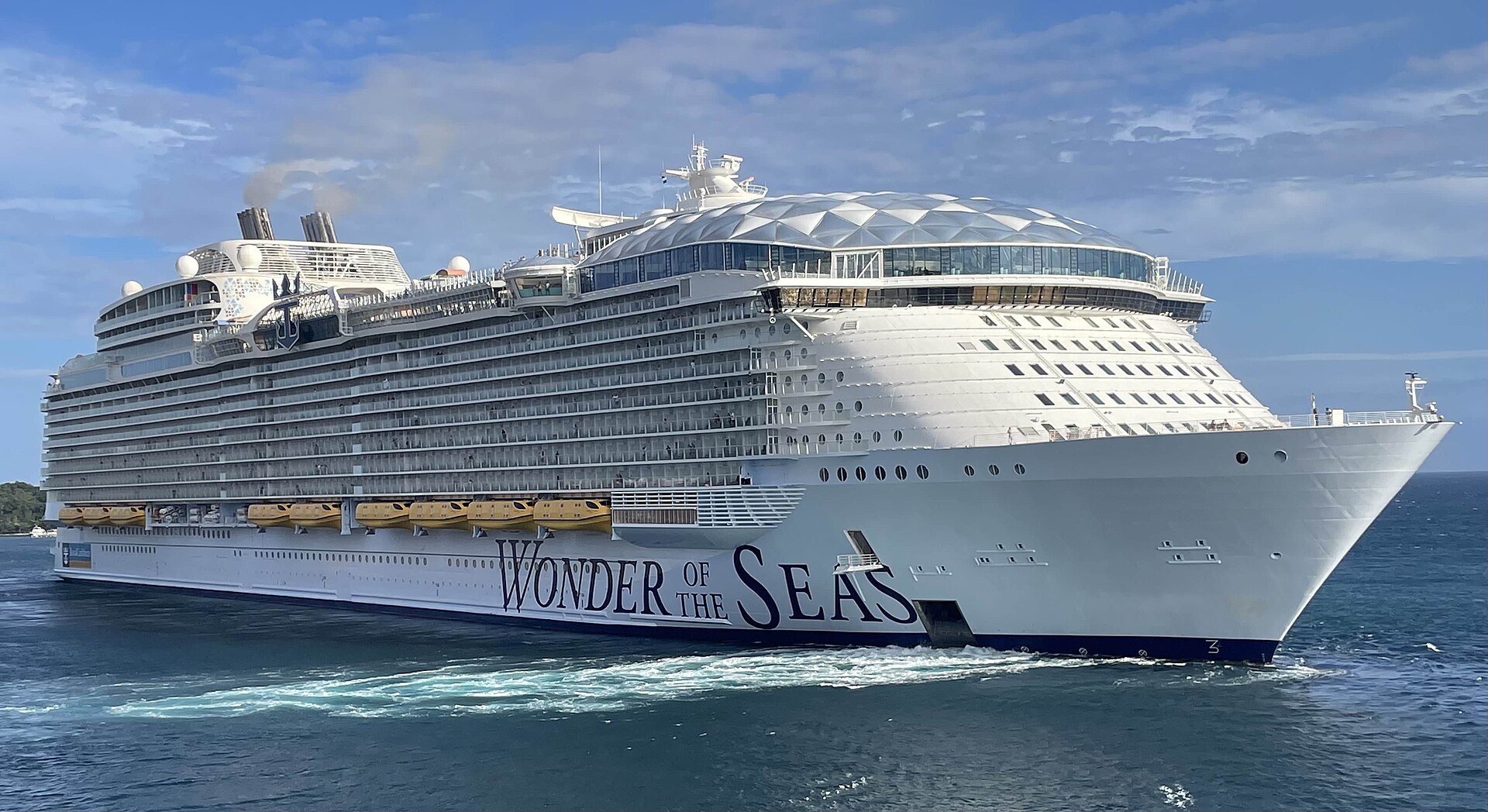
10 Things to Know Before Booking a Cruise: The Short Version
Before you book a cruise, know that the advertised fare leaves out taxes, port fees and daily gratuities, and that the line can add some charges even after you’ve paid. Cancellation penalties start 90 to 120 days before sailing, and Royal Caribbean’s get stricter on October 11, 2026. Your name must match your passport, and age, pregnancy and infant rules decide who can sail. The best time to buy insurance is the day you pay the deposit.
1. The Fare You See Isn’t the Fare You Pay
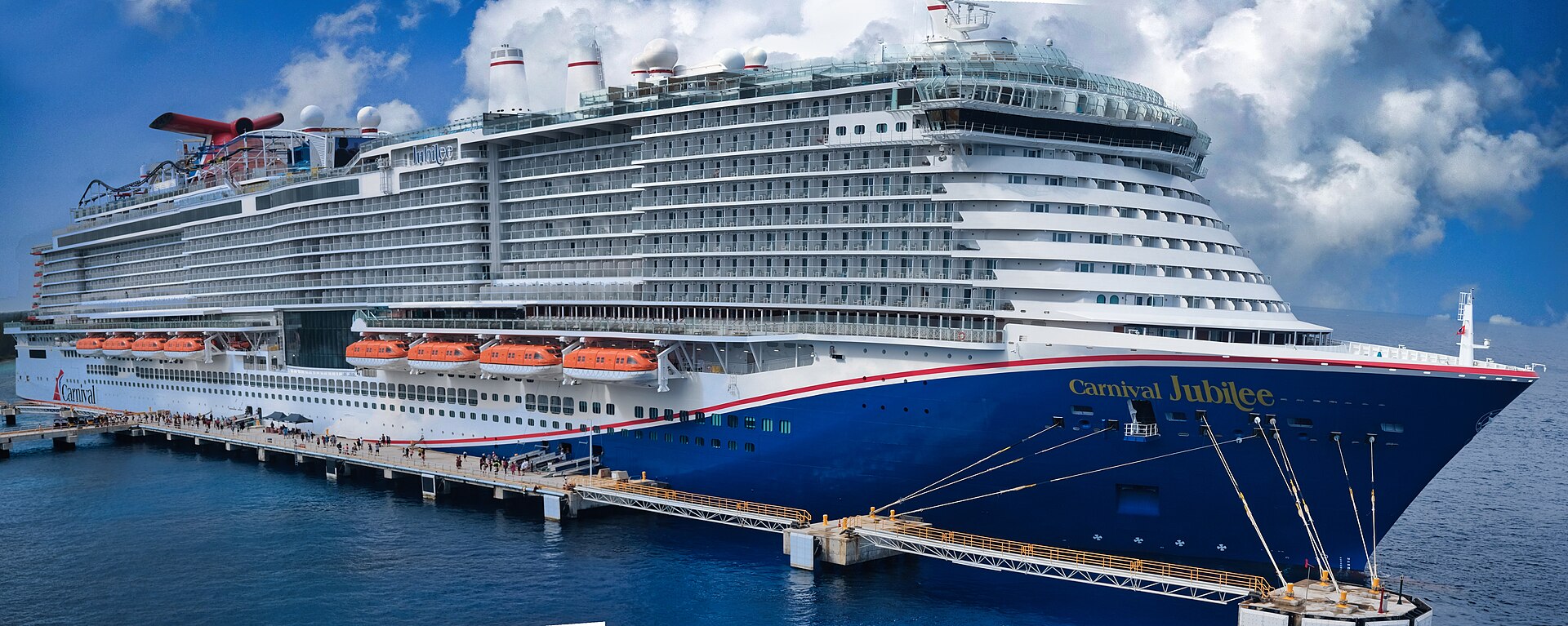
The headline number is only one piece of the price. Royal Caribbean’s ticket contract (version R(US)OCT2026) lists “Taxes, fees, and port expenses” separately from the fare, from “passenger head taxes” to “pilotage, canal tolls”. Carnival’s ticket contract does the same, and says the fare excludes drinks, excursions, spa, specialty dining, medical care and gratuities.
Gratuities are the part people forget, because they’re added daily once you’re aboard. Carnival charges $17.00 per person, per day in standard staterooms and $19.00 in suites, and adds a 20% service charge to drinks. That’s the rate from April 2, 2026, according to Cruise Hive. Royal Caribbean charges $18.50 per guest per day, or $21.00 in suites.
🎁 Free: the Cruise Survival Kit
A printable packing checklist and a money-saving cheat sheet, sent to your inbox straight away. Plus the week's best cruise stories and verified deals every Friday.
Send me the free kit →Do the sums for a couple on a seven-night cruise in a standard cabin: $17 × 2 × 7 = $238 on Carnival, and $18.50 × 2 × 7 = $259 on Royal Caribbean. That’s before a single drink. Our guide to how much a cruise costs per person goes through the rest of the bill.
What to do: compare cruises on the total price with taxes and fees, then add gratuities for every person and every night. If you’d rather not get a bill at the end, both lines let you prepay gratuities.
2. A Price You’ve Paid in Full Can Still Go Up
Most people assume that once the final payment clears, the price is locked. The contracts say otherwise.
Royal Caribbean’s contract has a fuel clause in section 1.c. If, after you book, US oil (West Texas Intermediate) closes above $65 a barrel, or natural gas tops $3.00, the line “may impose a Fuel Supplement of up to US$12.00 … per Guest, per day.” It can make you prepay it before you board or put it on your onboard account, and “refusal or failure to prepay any Fuel Supplement may be deemed as a cancellation by Guest.” For a couple on a seven-night cruise, the maximum is $168.
It isn’t alone. When oil prices jumped this spring, analyst Chris Woronka told FOX 5 Atlanta that “many cruise lines have the ability to add a fuel surcharge of approximately $9 to $12 per person, per day.” Carnival’s contract (section 8.a) can also pass on tax rises “even if the Cruise Fare has already been paid in full,” and Norwegian’s terms reserve “the right to add a surcharge” if costs or taxes rise substantially.
What to do: leave a little slack in the budget, and check your booking confirmation. Royal Caribbean’s contract says a fuel supplement charged at booking will be shown there next to the fare, taxes and gratuities.
3. Your Money Stops Being Refundable Months Before You Sail
Cancel early and you get your money back. Cancel late and you lose a growing share. The schedules differ a lot, so here they are side by side for a seven-night cruise, from Carnival’s contract (section 7), Royal Caribbean’s new contract schedule and Norwegian’s terms page.
| Days before sailing | Carnival (6+ nights) | Royal Caribbean (5–9 nights, booked from Oct 11) | Norwegian (standard cabins) |
|---|---|---|---|
| 120 or more | None | None | None |
| 119–91 | None | None | 25% |
| 90 | Deposit | None | 50% |
| 89–61 | Deposit | 50% | 50% |
| 60–56 | Deposit | 75% | 75% |
| 55–31 | Deposit or 50%, whichever is greater | 75% | 75% |
| 30 | Deposit or 50%, whichever is greater | 100% | 100% |
| 29–15 | Deposit or 75%, whichever is greater | 100% | 100% |
| 14 or less | 100% | 100% | 100% |
Look at the 100-day row. Cancel a week-long Carnival or Royal Caribbean cruise then and you pay nothing. Do it on Norwegian and you lose a quarter of the fare. Norwegian’s payment schedule asks for a $250 deposit per person on cruises of seven days or more, with the final payment due 120 days before sailing. Carnival adds a trap for groups: cancellation charges in a shared cabin apply “for the entire cabin reservation, even if Guest does not cancel his or her individual reservation.”
What to do: put your line’s penalty start date in your calendar. It’s your last day to change your mind for free, and often your last chance to grab a lower fare if prices drop (see what happens if your cruise price goes down).
4. Booking Royal Caribbean? The Rules Change on October 11
Royal Caribbean’s live contract says bookings “made on or after October 11, 2026” follow the new schedule above. Earlier bookings keep “the cancellation schedule shown in the booking confirmation.” The exception is 2028 Alaska, Hawaii, Pacific Coastal, Panama Canal and Transpacific voyages bought from September 29, 2026, which are already on the new rules.
Two things get stricter. The 25% tier disappears, so you go straight from no penalty to 50%. And 10 to 14-night cruises move into the top band, where penalties begin 119 days out. Under the old rules, cancelling a 5 to 14-night cruise 89 to 75 days out cost 25%, Cruise Hive reported. Now it costs 50%. Travel Market Report confirms that the 25% tier is going. Both outlets add that third and fourth guests’ cancellation penalties will be applied automatically from October 11 rather than waived.
What to do: if you were already planning to book a Royal Caribbean cruise, especially one of 10 to 14 nights, booking before October 11 keeps you on the older, gentler schedule. Check that it appears in your confirmation. Don’t book just to beat the deadline, though. A cruise you weren’t sure about is still a cruise you might cancel.
5. The Cheapest Deposit Can Be One You Never Get Back
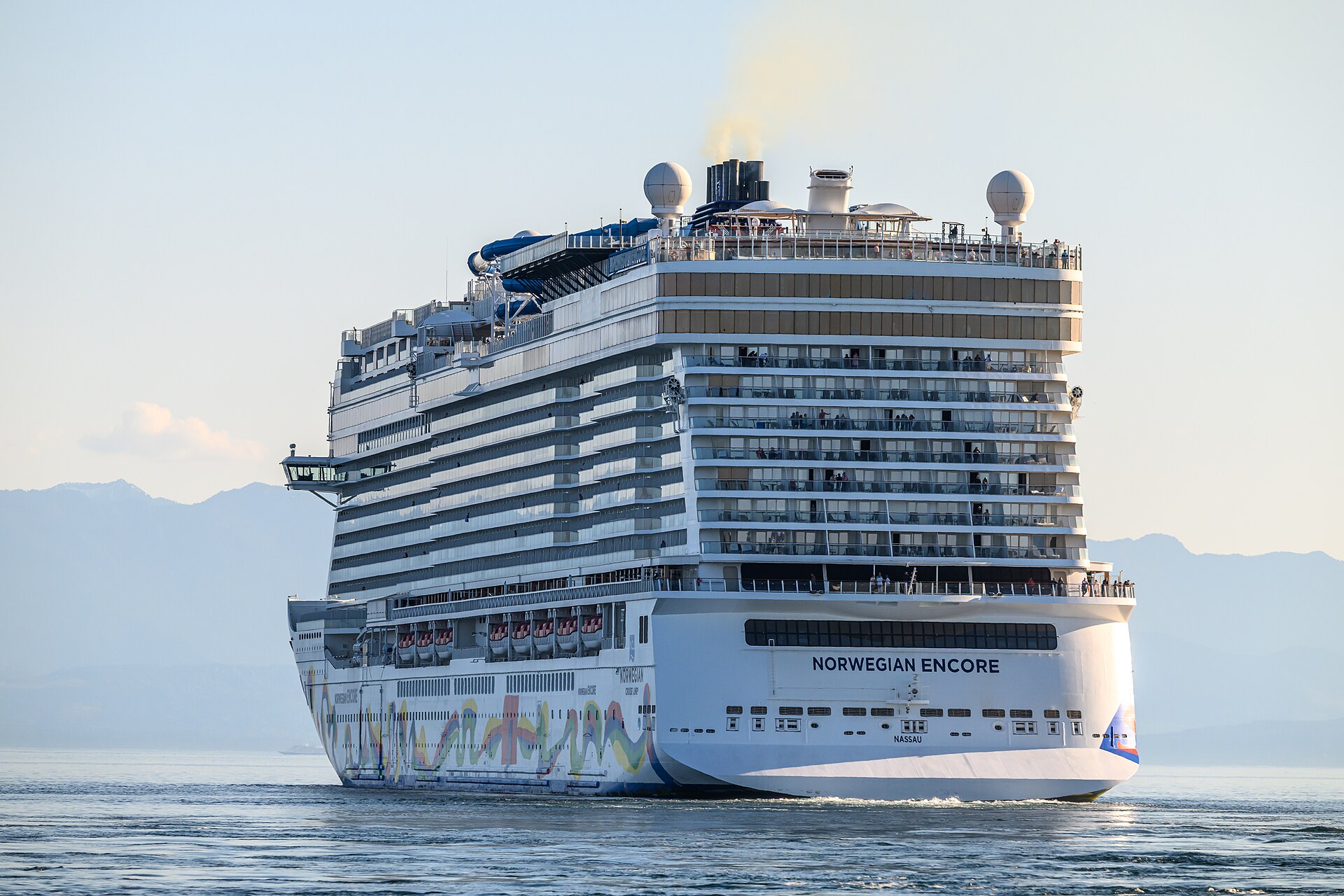
Many lines sell two versions of the same cabin. One has a refundable deposit, and a cheaper one doesn’t. The small print on the cheaper one is blunt.
Royal Caribbean’s contract (section 1.f) says a non-refundable deposit is due when you book and “will not be refunded at any time after paid by Guest. Change fees also apply.” Carnival’s version is called Early Saver, and its contract says “the deposit under Early Saver is non-refundable.” Cancel before final payment and you get a future cruise credit “in the amount of the deposit less a $50 per person service fee.” It has to be used for a new booking made within 12 months, and “any unused portion will be forfeited.”
What to do: pick the non-refundable deposit only if you’d sail even if work, health or family got in the way. Otherwise the saving is really a bet against your own plans.
6. Book Under Your Exact Passport Name, With the Right Documents
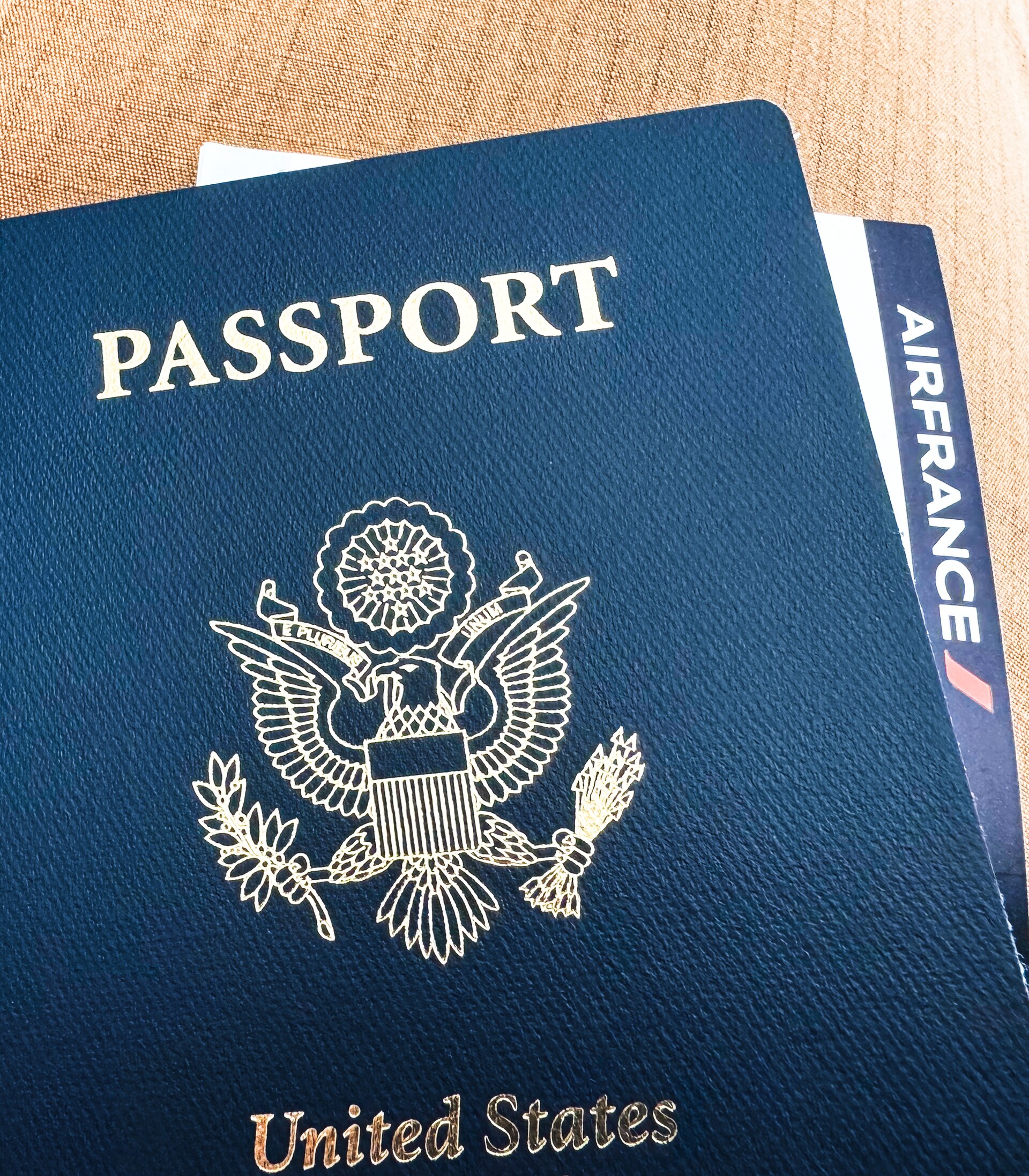
A cruise ticket isn’t like a concert ticket. Carnival’s contract (section 1.d) says it “is valid only for the person(s) named hereon as Guests and cannot be transferred or modified without Carnival’s written consent.”
So the name matters from the first click. Norwegian’s terms say guests “must provide their complete legal name exactly as it appears on their required government-issued travel documentation at the time of booking.” Fixing it after final payment costs “a non-refundable change fee of $150.00 USD,” and a wrong name on flights booked through the line can get you turned away by the airline.
Then there’s the document itself. Some round-trip sailings from US ports accept a birth certificate and photo ID instead of a passport, but that isn’t the whole story. Princess’s passage contract says that “when minors are traveling with only one adult 21 years of age or older, Carrier requires that all guests must be in possession of a valid passport.” Our guide to whether you need a passport for a cruise checks every itinerary type.
What to do: type every name exactly as it appears on the passport, middle names included. If anyone’s passport is due to expire or hasn’t been applied for, sort it out before you book, and check the US State Department’s current processing times.
7. Age, Pregnancy and Infant Rules Decide Who Can Sail
These are the rules that turn people away at the terminal, so check them before you pay.
Under 21s. Royal Caribbean’s age policy says its “minimum age to sail unaccompanied on sailings originating in North America is twenty-one (21),” with exceptions for children whose parents are in a nearby cabin, married couples and active-duty military. Carnival’s contract is stricter: under-21s may be refused unless they travel with “a parent, legal guardian, spouse, or relative at least twenty-five (25) years of age.” On Norwegian, under-18s must share or connect with someone 21 or over, who needs a notarised consent letter if they aren’t the parent or guardian.
Pregnancy. All three lines draw the line at 24 weeks. Royal Caribbean’s contract says anyone who “will enter the twenty-fourth (24th) week or more of estimated fetal gestational age at any time during the Cruise” can’t sail. Carnival’s contract uses near-identical wording. Norwegian adds that an expectant mother’s booking “must be accompanied by a medical certificate establishing her due date and fitness to travel.” Count from the last day of the cruise, not the first.
Babies. Carnival’s contract says infants “must be at least 6 months of age at the time of embarkation,” or 12 months on transoceanic and remote cruises with “more than 2 consecutive sea days.” Royal Caribbean also requires six months for most cruises and 12 months for voyages with three or more sea days in a row, such as transatlantic, transpacific and Hawaii sailings. Cruise Hive’s guide to Royal Caribbean’s age limits confirms both figures.
8. Who Shares Your Cabin Decides Your Drinks Bill

This rule catches out couples where one person drinks and the other doesn’t. On the two biggest lines, the unlimited alcohol package is all or nothing for everyone of drinking age in the cabin.
Carnival’s brand ambassador John Heald said in September 2025, as quoted by Cruise Hive: “The rule where if one person purchases the full Cheers program everyone in the cabin aged 21 and over must purchase it too has not changed and still applies.” Royal Caribbean stopped making exceptions on August 1, 2025. Its statement, quoted by Cruise Hive, said it “will no longer be able to grant exceptions to our policy that both guests in a stateroom must purchase the Deluxe Beverage Package.”
What to do: settle drinks plans before you settle who shares which cabin. For the rules on bringing your own, see can you bring alcohol on a cruise.
9. Hurricane Season Runs From June 1 to November 30
The cheapest Caribbean fares often fall in the stormiest months. The National Hurricane Center says “the Atlantic hurricane season runs from June 1 to November 30,” and its peak is September 10, “with most activity occurring between mid-August and mid-October.” NOAA’s satellite service gives the same dates. Mexican Riviera cruises have their own season: the eastern Pacific runs from May 15 to November 30.
That doesn’t mean don’t go. It means expect changes, because ticket contracts let lines skip ports for weather without a refund. Just last week, two hurricanes cost Carnival Panorama four Mexican ports. If your heart is set on one island, book outside the peak. Our guides to what you’re owed when a ship skips a port and hurricane cancellations cover the fine print.
10. Book Flights for the Day Before, and Insurance for the Day You Book
Flights. The ship won’t wait for a late plane. Carnival’s contract makes no refunds for “no shows,” and Royal Caribbean’s says no-shows are “without refund, compensation, or liability.” Norwegian’s terms now say that from January 26, 2026, “all guests purchasing air through NCL for all sailings will be required to arrive at least one day prior to sailing.” The Points Guy’s Ashley Kosciolek gives everyone the same advice: “I always advise flying in at least one day before you’re scheduled to embark.” Budget for the hotel night. Our guide to what happens if a cruise leaves you behind shows what missing the ship costs.
Insurance. Most people buy it near the final payment, but cover for pre-existing medical conditions usually depends on buying early. The comparison site Squaremouth says you must buy “usually within 14 to 21 days of your initial trip deposit date” and “insure the full cost of your trip.” One cruise policy, Tin Leg’s, covers pre-existing conditions only if “the Policy is purchased within 14 days of Your Initial Trip Deposit” and you “insure 100% of Your Trip Cost.” Wait until the final payment and that window has usually closed. Our guide to whether you need insurance for a cruise shows what the contract leaves you paying without it.
Before You Pay the Deposit: A Checklist
- Total price including taxes and fees, plus gratuities for every person and every night.
- Your line’s penalty start date, in your calendar. For Royal Caribbean, check whether you’re booking before or after October 11.
- Refundable or non-refundable deposit, chosen on purpose.
- Every name typed exactly as on the passport, and the passports themselves in date.
- Age, pregnancy (24 weeks by the last day) and infant (6 or 12 months) rules checked for everyone.
- Cabin mates matched to drinks-package plans.
- Sailing dates checked against hurricane season.
- Flights that land the day before, plus a hotel.
- Travel insurance bought within 14 days of the deposit.
Quick Answers
What should I know before booking a cruise?
Know the total price including taxes, fees and daily gratuities. Know the date your cancellation penalties start, whether your deposit is refundable, and the age, pregnancy and passport rules for everyone in your party. Plan to fly in the day before, and buy travel insurance soon after you pay the deposit.
How far in advance can you cancel a cruise without penalty?
It depends on the line and the cruise length. On a seven-night cruise, Carnival charges nothing up to 91 days before sailing. Royal Caribbean charges nothing at 90 days or more for bookings made from October 11, 2026. Norwegian starts charging 25% at 119 days for standard cabins. Non-refundable deposits are lost whenever you cancel.
Are gratuities included in the cruise price?
Usually not on mainstream lines. Carnival adds $17.00 per person per day in standard cabins and Royal Caribbean $18.50, or $19.00 and $21.00 in suites. You can prepay them when you book or adjust them on board.
How old do you have to be to go on a cruise without your parents?
On North American sailings, generally 21. Royal Caribbean won’t assign anyone under 21 to a cabin without an adult of 21 or older, with exceptions for married couples and active-duty military. Carnival requires under-21s to travel with a parent, guardian, spouse or relative aged at least 25.
The Bottom Line
Most cruise surprises are written down before you pay: the gratuities, the fuel clause, the 119-day penalty, the drinks package your cabin mate has to buy. Check the total, put the penalty date in your calendar, check the names and ages, and insure the trip the week you book.
Cruise Chaos earns nothing from cruise lines, insurers or booking links. Every fact in this guide links to where we read it. Contracts and policies were checked on October 5, 2026, and lines change them often. If something has changed, tell us and we’ll correct it.
Coming up on Cruise Chaos: what is included in a cruise, and what is not.
🎁 Get our free Cruise Survival Kit. Join the Cruise Chaos crew and we’ll email you our printable packing checklist and money-saving cheat sheet right away, plus the week’s best cruise stories and verified deals every Friday. Send me the free kit →
Keep Reading
- 5 Most Forgotten Cruise Items
- Do You Need Insurance for a Cruise? What Your Ticket Contract Says You’ll Pay
- What Happens If Your Cruise Price Goes Down After You Book? The 24, 48 and 72-Hour Rules
Sources
- Royal Caribbean: Cruise/CruiseTour Ticket Contract (US), version R(US)OCT2026, sections 1.b, 1.c, 1.f, 8 and pregnancy and infants
- Carnival: Ticket Contract, sections 1, 6, 7 and 8
- Norwegian Cruise Line: Terms and conditions (cancellation policy, payment schedule, pregnancy, minors, names, air)
- Princess Cruises: Passage contract
- Carnival: Gratuities and tips and Royal Caribbean: Onboard gratuities
- Cruise Hive: Five cruise lines have pushed through gratuity hikes early in 2026 (April 2026)
- Royal Caribbean: Age policy and Cruise Hive: Royal Caribbean age limits (updated December 2025)
- Royal Caribbean cancellation changes: Cruise Hive (September 28, 2026) and Travel Market Report (September 30, 2026)
- FOX 5 Atlanta: Cruise line abruptly adds extra charges for passengers (April 2026)
- Drinks package rules: Cruise Hive on Carnival (September 2025) and Cruise Hive on Royal Caribbean (August 2025)
- National Hurricane Center: Tropical cyclone climatology and NOAA NESDIS: Atlantic hurricane season hits its peak
- The Points Guy: Cruise boarding times (July 2026)
- Squaremouth: What is a pre-existing conditions exclusion waiver? and Tin Leg Cruise: Pre-existing condition coverage
You May Also Like
 What Happens If Your Cruise Is Cancelled Due to a Hurricane? Refunds, Credits and the Fine Print
 Do You Need a Passport for a Cruise to the Bahamas? The Birth Certificate Rules That Trip People Up
 Do You Need a Passport for a Cruise to Mexico? What Happens When Things Go Wrong in Cozumel
 5 Most Forgotten Cruise Items