
How we work: facts are checked against original sources and linked, cruise prices are verified on the cruise line’s own website the day we publish, and we earn no commissions. Spotted a mistake? Tell us and we will correct it.
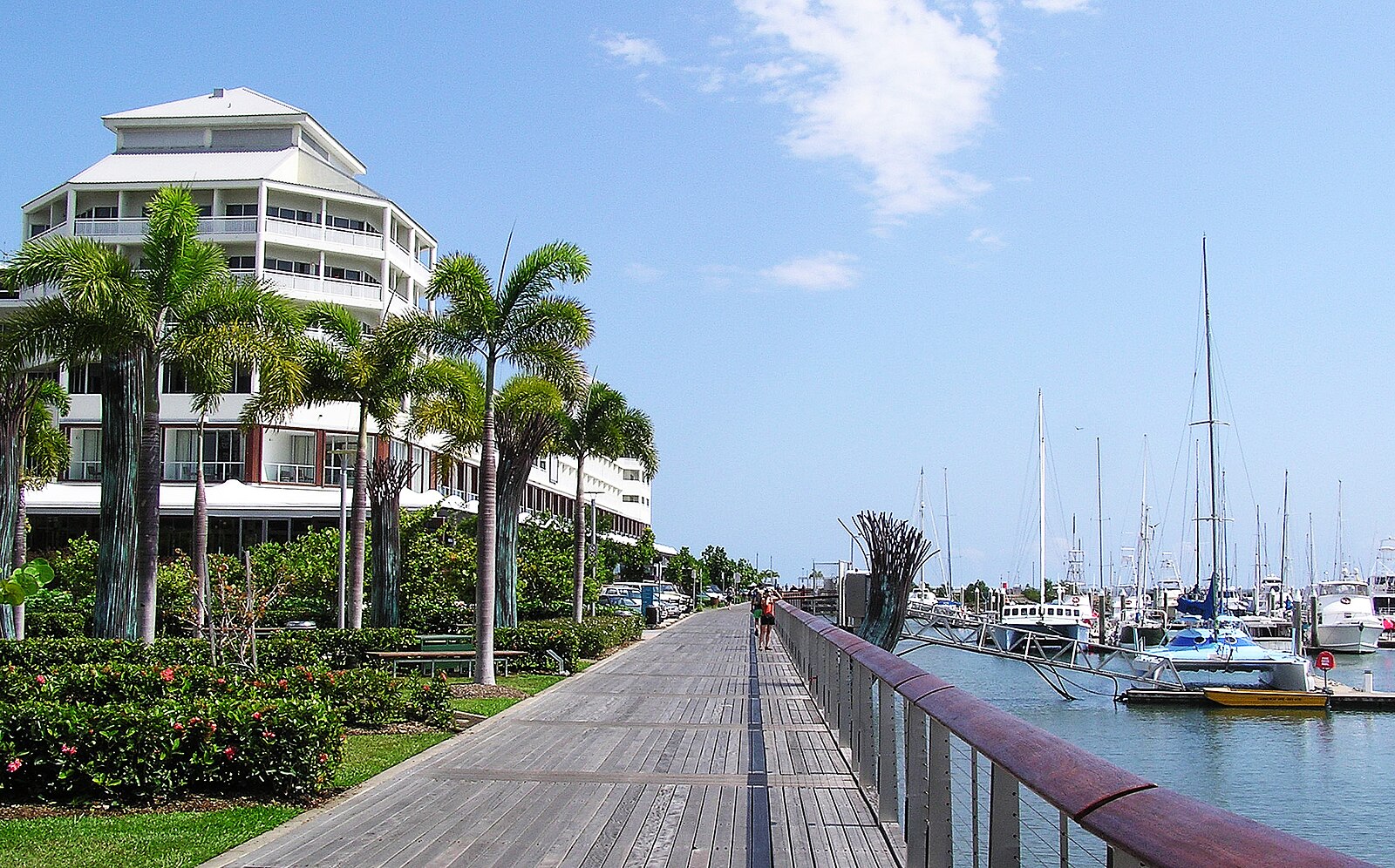
Imagine waking up on the last sea day of a Great Barrier Reef cruise, opening the curtains, and finding that your ship has parked in front of a suburban beach.
No terminal. No gangway. No ten-minute stroll into town. Just sand, a boat club, and a queue for the tender.
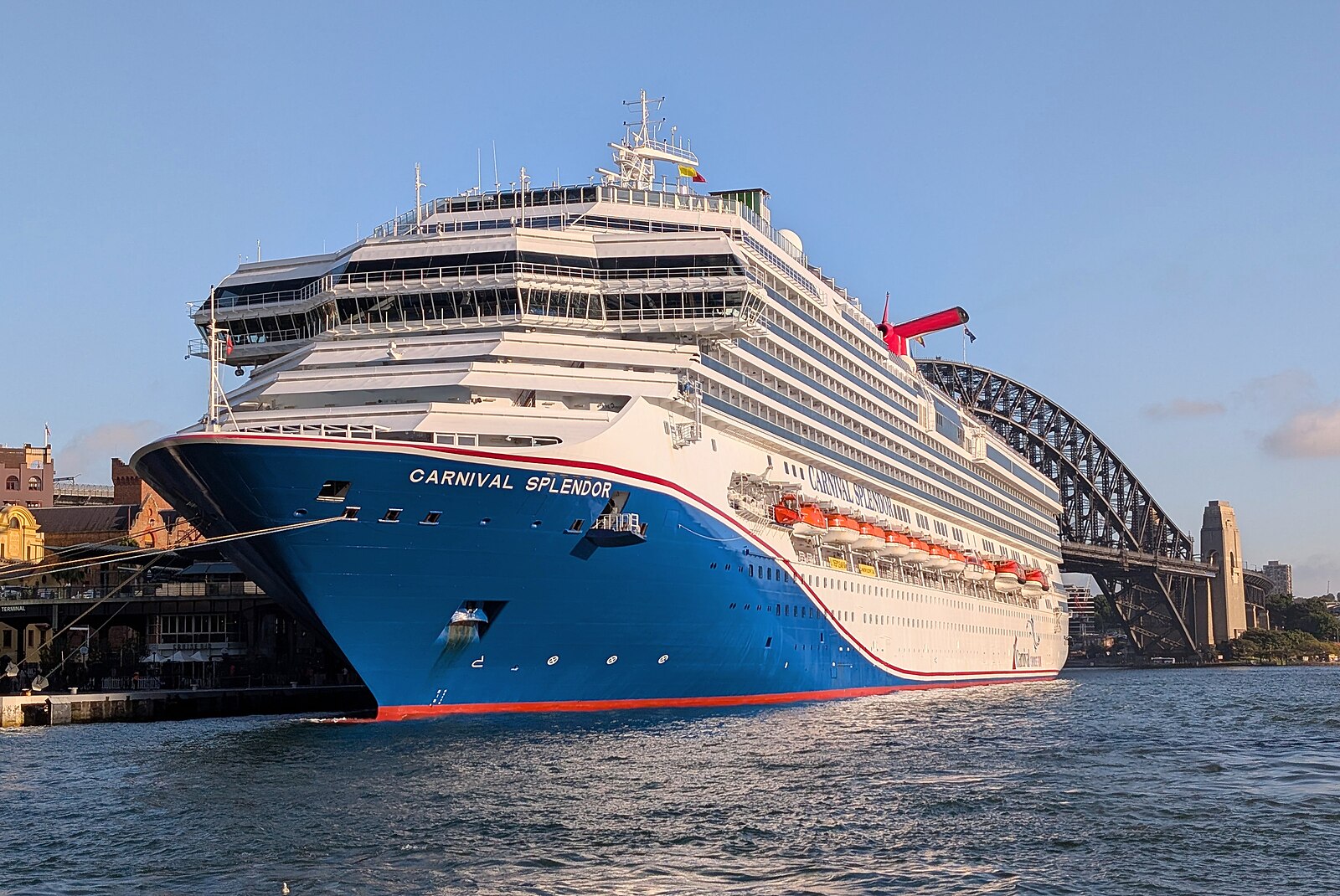
That was Carnival Splendor on September 13, and it was not a storm, a strike, or a broken engine that did it. It was mud.
Six years ago Cairns spent A$127 million digging its shipping channel deeper so that bigger cruise ships could come. In September 2026, three Carnival sailings in three weeks were turned away, diverted or cut short because the channel had quietly filled back in.
Three Ships, Three Different Consolation Prizes
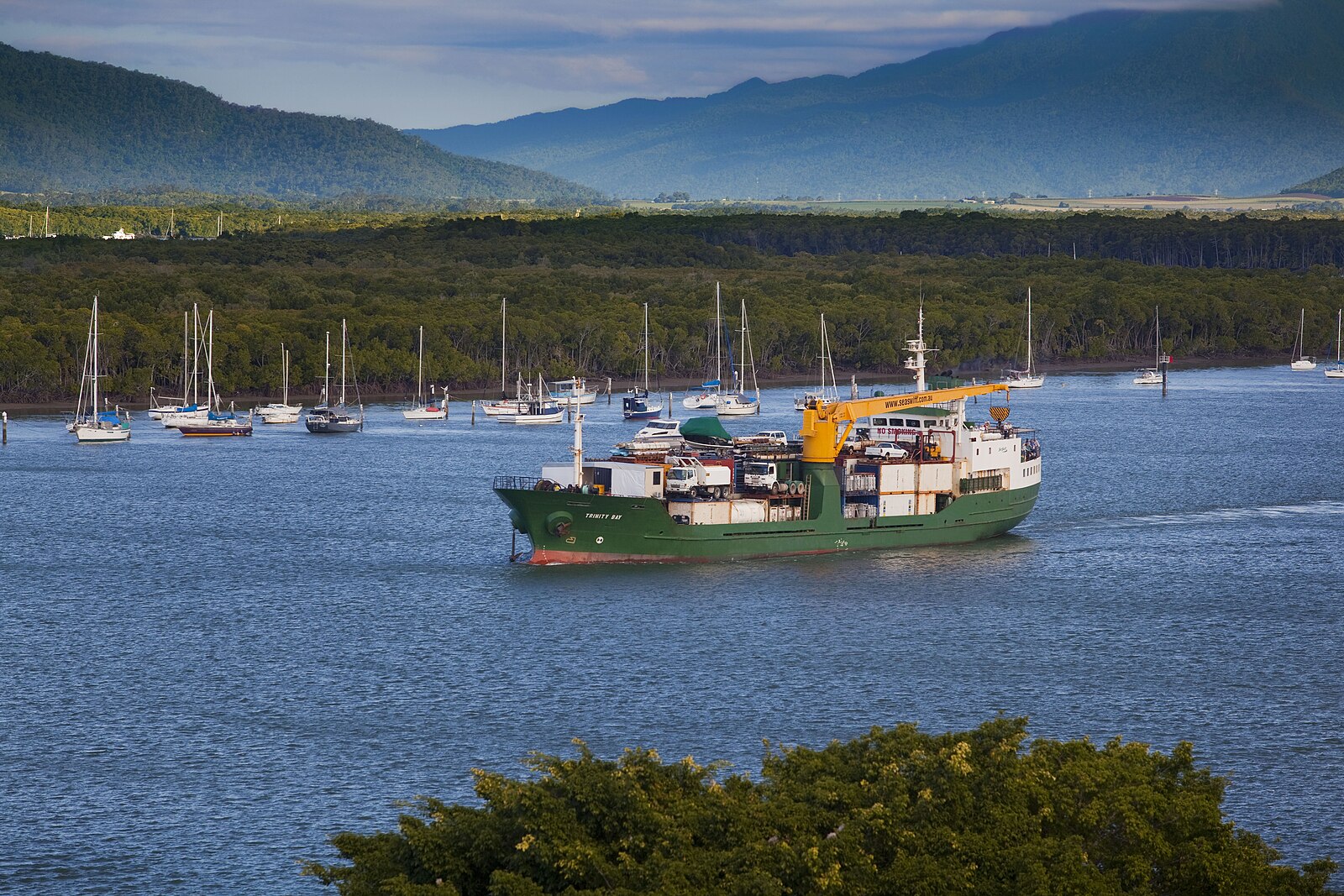
It started with Carnival Encounter’s six-night Great Barrier Reef run out of Brisbane on September 5. Guests were told the Cairns call was gone. Carnival’s notice was blunt: “Current channel depths have reduced and are now too shallow to allow for the safe passage of our ship to Cairns Cruise Terminal.”
In its place: Townsville, roughly 350 km down the coast, and a return to Brisbane pushed back an hour. Cruise Hive dates the dropped Cairns call to September 8 and the replacement Townsville call to September 9; RU Tourism News puts the Cairns call itself on the 9th. Nobody disputes the substance, so treat the exact day as approximate.
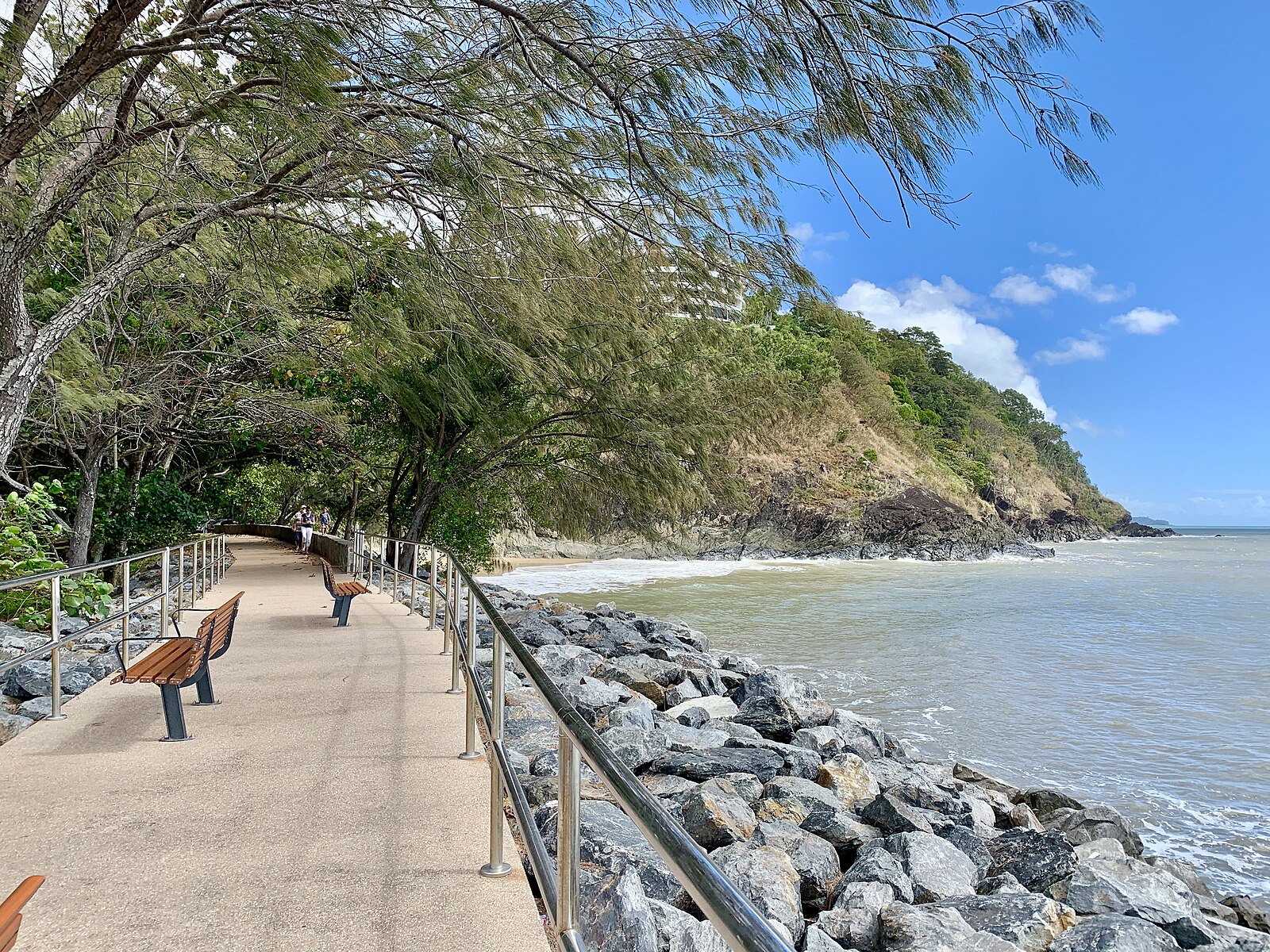
Four days later, Carnival Splendor left Sydney on a nine-night version of the same idea. By then the port had told Carnival “the channel depth issue would not be rectified before Carnival Splendor’s scheduled visit.” So Splendor kept the destination and gave up the dock: she anchored off Yorkeys Knob, a beach suburb about 13 km north of the city, and ran guests ashore by water shuttle. Willis Island and Airlie Beach were shuffled around to make the timings work.
Then it happened a third time. Carnival Encounter’s September 26 sailing was supposed to give guests an overnight in Cairns. Instead the ship now arrives at 9:30 a.m. on September 29 and leaves at 8 p.m. the same evening, with Townsville bolted on for September 30. Carnival’s wording this time added a new culprit: “current channel depths and forecasted tidal levels are expected to affect the ship’s ability to safely depart Cairns at the originally scheduled time Wednesday, 30 September.”
| Sailing | Cairns was meant to be | What guests actually got |
|---|---|---|
| Carnival Encounter, 6 nights from Brisbane, departed Sept 5 | A day in Cairns | Call cancelled. Townsville added instead; Brisbane arrival pushed back an hour |
| Carnival Splendor, 9 nights from Sydney, departed Sept 9 | Alongside at the Cairns Cruise Liner Terminal, Sept 13 | Anchored off Yorkeys Knob, 13 km north. Ashore by water shuttle; Willis Island and Airlie Beach swapped |
| Carnival Encounter, 7 nights from Brisbane, departs Sept 26 | Overnight in Cairns, Sept 29–30 | Day call only: in 9:30 a.m., out 8 p.m. on Sept 29. Townsville added Sept 30 |
The Ship Being Turned Away Is Exactly the Ship They Dug the Channel For
Here is the part nobody else has put together.
The Cairns Shipping Development Project was sold on a specific promise. Ports North’s own page says it would “facilitate cruise ship growth for vessels up to 300 metres, with a forecast demand of up to 150 cruise ships through the Port of Cairns by 2031” — worth “more than $849 million to the region” and more than 2,700 ongoing jobs.
And when the ribbon was cut, the same page recorded the moment: on February 28, 2020, Cunard’s Queen Elizabeth became “the largest cruise ship to have ever arrived in Cairns.” She was, Ports North wrote, “the first of an additional 14 Vista and Grand Class cruise ships coming to Cairns in 2020 as a result of the Project.”
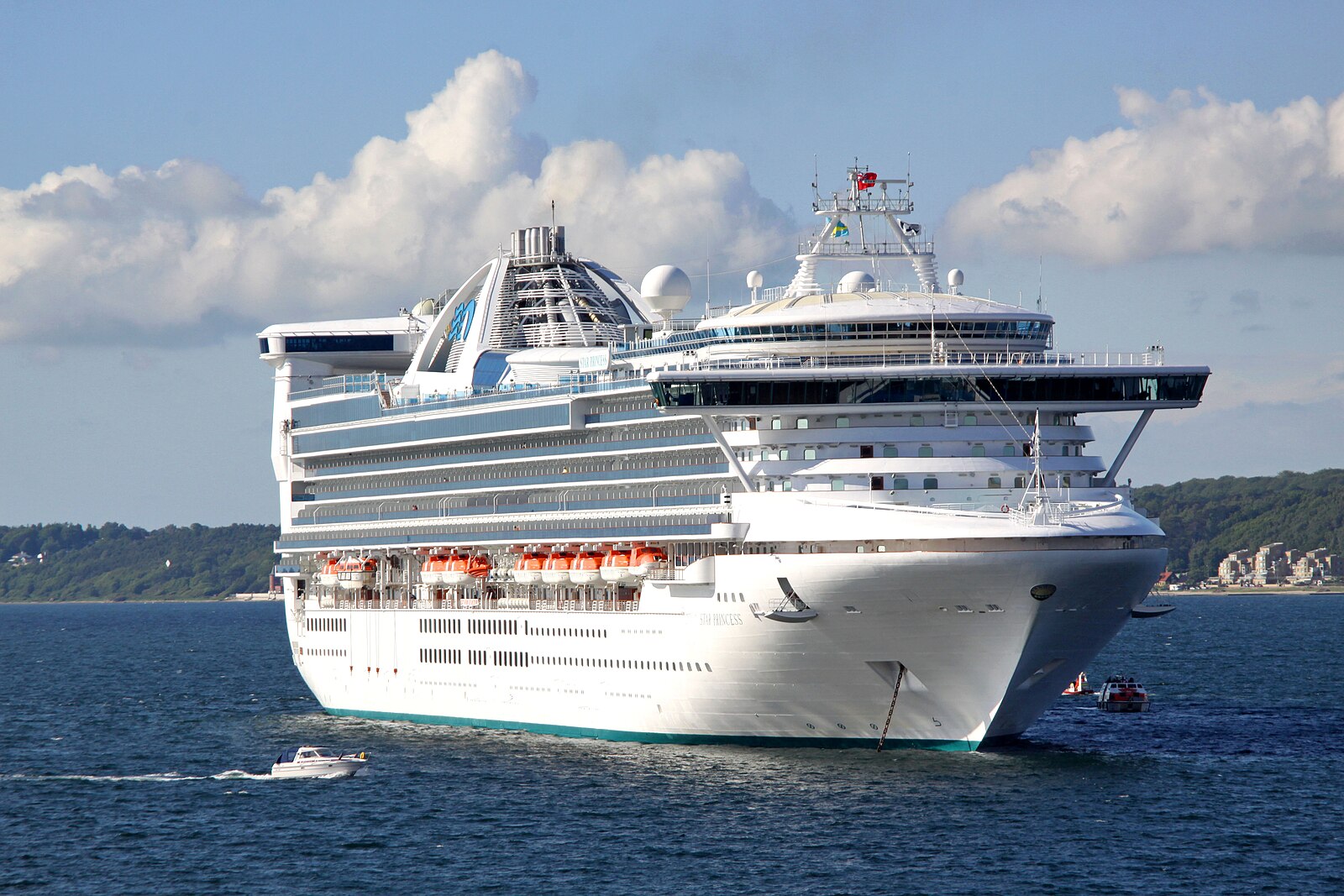
Carnival Encounter is a Grand-class ship. She was built by Fincantieri in 2002 and spent nineteen years as Star Princess, then four more as P&O Australia’s Pacific Encounter, before Carnival’s own fact sheet picked her up at 108,865 gross tons, 2,600 guests and 1,100 crew.
She is, in other words, precisely the category of ship the A$127 million was spent to attract. Six years later she is the one being sent to Townsville.
Why a Channel Fills Back In, and How Little Slack There Was
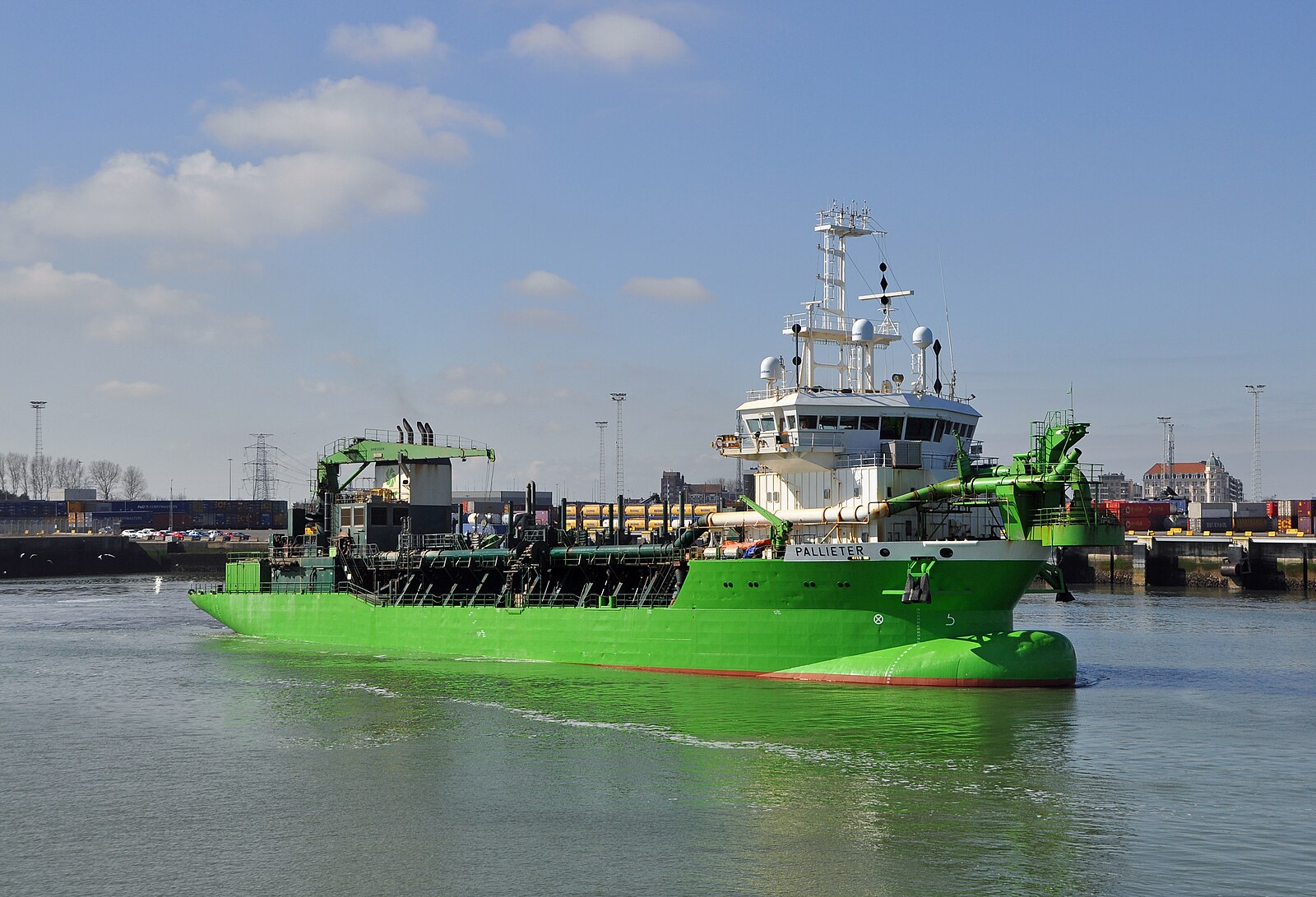
A shipping channel is not a trench in rock. It is a groove cut through soft estuary mud, and mud does what mud does: it comes back. Every tide carries sediment in, every wet season carries more down the creeks, and the deepest part of the channel is exactly where it likes to settle. That is why ports dredge forever, not once.
Trinity Inlet is a mangrove estuary opening onto the Great Barrier Reef. This year it has been laying the mud down faster than usual: RU Tourism News reports “unusually high siltation” has pushed sections of the inlet below the port’s designed nine-metre depth.
Nine metres is not a number from a news write-up. It is Ports North’s own published figure. Its cruise shipping page states that the passenger wharves are “4.9 metres above datum with berth design depths of 9 metres.”
Now put that next to the ships.
| Figure | Metres | Where it comes from |
|---|---|---|
| Berth design depth, Cairns Wharves 1–6 | 9.00 | Ports North |
| Maximum draft for the entrance channel | 8.30 | CruiseMapper’s Cairns port profile |
| Carnival Splendor’s draft | 8.30 | Published ship specifications |
| Carnival Encounter’s draft | 8.05 | Published ship specifications |
| Gap between design depth and maximum permitted draft | 0.70 | Our arithmetic on the two figures above |
That 70-centimetre gap is not spare room. It is the clearance — the water a pilot needs underneath the keel so the ship does not touch bottom when it squats at speed, rolls in a swell, or arrives on a lower tide than forecast. CruiseMapper’s profile of the port also notes the entrance channel averages only about 90 metres wide over a 10 km run, so there is nowhere to swerve either.
Take even a few tens of centimetres of silt off the bottom and a ship drawing 8.3 metres stops fitting. That is why Carnival’s third notice mentioned “forecasted tidal levels” alongside channel depths: on a shallower channel the maths only works inside a tidal window, and if the window closes before 8 p.m., the ship has to leave before dinner.
So Why Not Just Dig It Deeper? Ask 2015.
Because the mud has to go somewhere, and this mud sits inside a World Heritage Area.
The original version of this project was far bigger. The Cairns and Far North Environment Centre, a local conservation group that campaigned against it, describes a proposal to dig out “an estimated over 4.4 million m³ of dredge spoil” — and records that on April 18, 2015 the Queensland Government announced it would not fund it. Offshore dumping in the Marine Park and the risk of a UNESCO “in danger” listing were central to the fight.
What eventually got built was the compromise: a smaller cut, with the spoil placed on land rather than at sea. The Queensland Government’s own announcement of the construction tender put it at up to one million cubic metres over a 12-week dry-season window, with then-Transport Minister Mark Bailey noting the project “has undergone one of the most rigorous environmental reviews in the country.”
Rigorous is good. It is also why nobody can simply take another metre out of the bottom of Trinity Inlet when the silt arrives. The dredger that started work on September 18 is doing maintenance, not expansion — restoring the design depth, not adding to it. It is scheduled to keep going into early November.
Meanwhile, 350 km South, Townsville Is Having a Lovely Month
Townsville spent A$251 million widening its own shipping channel — from 92 metres to 180 metres at the inshore end, tapering to 120 metres out to sea, lifting the maximum ship length from 238 metres to 300 metres. It moved 3.4 million cubic metres of material and built a 2.2 km rock wall to hold the spoil.
Note what they did not spend it on. Townsville widened rather than deepened, because the risk with a long ship is that it drifts slightly off the centreline as it slows. Width is the cheap insurance. Depth is the expensive kind, and the kind the mud takes back.
And here is the coincidence that makes the whole thing sing. When Townsville declared its channel finished on January 14, 2025, the ship it invited to cut the ribbon was Cunard’s Queen Elizabeth — the same ship Ports North had celebrated steaming into Cairns in February 2020 to prove its own channel worked. Cunard’s Katrina McAlpine called her “the first cruise ship of her size to berth at Townsville Port.”
One ship, two ribbon-cuttings, A$378 million between them. In September 2026, one of those two ports was taking Carnival’s diverted passengers and the other was watching a dredger.
What This Means If Your Cruise Calls at Cairns
- Book reef trips through the ship while the dredging is on. This is the one time the ship’s tour desk earns its markup. Carnival automatically moved or refunded its own Cairns excursions when the calls changed; guests who booked direct with an operator had to chase them themselves. Ship-sponsored tours also get you back aboard.
- Assume a tender, not a gangway. Anchoring off Yorkeys Knob turns a five-minute walk into a shuttle ride plus a road transfer. Budget an extra hour each way, and if you have mobility issues, ask the line before you book how tendering works on that ship.
- An anchored call is still a call. Splendor’s guests reached Cairns; they just did it the long way. That matters for compensation, because a port reached awkwardly is not a port missed.
- A cancelled call usually gets you port fees back, not much else. Every major line’s ticket contract lets it change the itinerary for safety. We went through exactly what you can and cannot claim in our guide to skipped ports.
- Check the dredging window against your sailing date. Maintenance started September 18 and runs to about the start of November. Calls booked in that window are the ones most likely to move.
- Do not book unrefundable flights out of Cairns mid-cruise. If the ship can get in but cannot get out on time, the ship wins.
The Bottom Line
Cruise ports love an announcement. A$127 million, 300-metre ships, 150 calls a year, 2,700 jobs by 2031 — it photographs beautifully with a Cunard liner in the background.
What does not photograph is the part that never finishes: a dredger grinding up and down the same ten kilometres of estuary, forever, because the sea keeps putting the mud back. Miss a season of that and a world-class terminal becomes a very expensive view of a ship anchored off a beach.
Nobody was hurt. Nobody was stranded. Three sets of passengers got Townsville, a water shuttle and an early dinner instead of an overnight on the Esplanade. But it is worth remembering, next time a port promises that bigger ships are coming, that the hardest part of a shipping channel is not digging it.
It is keeping it.
Coming up on Cruise Chaos: more chaos from the high seas, fact-checked and properly sourced — because the strangest cruise stories are almost always the true ones.
🎁 Get our free Cruise Survival Kit. Join the Cruise Chaos crew and we’ll email you our printable packing checklist and money-saving cheat sheet right away, plus the week’s best cruise stories and verified deals every Friday. Send me the free kit →
Keep Reading
- What Happens When a Cruise Ship Skips a Port? Here’s What You’re Actually Owed
- An $80 Million Cruise Dock, a 13-Hour Fire, and No Working Hydrant
- What Happens If a Cruise Leaves You Behind? The Bill, the Rules and the $996 Nobody Mentions
Sources
- Ports North: Cruise Shipping (berth design depths and quayline)
- Ports North: Cairns Shipping Development Project
- Queensland Government: Construction and dredging tender announced for $127m Cairns port upgrade
- Cruise Hive: Carnival Ship Can’t Reach Australian Port Due to Shallow Waters
- Cruise Hive: Another Carnival Cruise Itinerary Affected by Unsafe Channel Depths
- CruiseMapper: Carnival Splendor Alters Cairns Call
- CruiseMapper: Port of Cairns profile (channel dimensions and maximum draft)
- Cruise Fever: Carnival Makes Itinerary Change for Cruise Due to “Channel Depths” at Port
- Cruise Industry News: Carnival Adjusts Itineraries of Australia-Based Ships
- Cruise Mummy: Carnival Encounter Cuts Cairns Stay Short Due To Channel Safety
- RU Tourism News: Cairns Fast-Tracks Dredging After Shallow Channel Forces Cruise Diversions
- RU Tourism News: Carnival Changes Australia Cruises Because Cairns Is Too Shallow
- The Travel: Carnival Cruise Line Cancels Yet Another Day At Beloved Destination Over Safety Concerns
- Port of Townsville: Channel Upgrade FAQs
- Port of Townsville: Channel Upgrade completion with Queen Elizabeth’s arrival
- Cairns and Far North Environment Centre: Dredging proposal for Cairns Port / Trinity Inlet
- Carnival Cruise Line: Carnival Encounter fact sheet
You May Also Like
 An $80 Million Cruise Dock, a 13-Hour Fire, and No Working Hydrant
 🍌 The Great Banana Debacle: How 16 Shipping Containers Delayed a P&O Cruise
 What Happens If Your Cruise Is Cancelled Due to a Hurricane? Refunds, Credits and the Fine Print
 The Whale on the Bow: Why Alaska Cruise Ships Keep Docking With Dead Fin Whales