
How we work: facts are checked against original sources and linked, cruise prices are verified on the cruise line’s own website the day we publish, and we earn no commissions. Spotted a mistake? Tell us and we will correct it.
First, a hurricane shuffled the islands like a deck of cards.
Then, with Hawaii done and the long run home ahead, the ship turned up in Honolulu again on a day it was never meant to be there, for repairs nobody has explained. A guest reported divers around the hull.
Then Canada was cancelled.
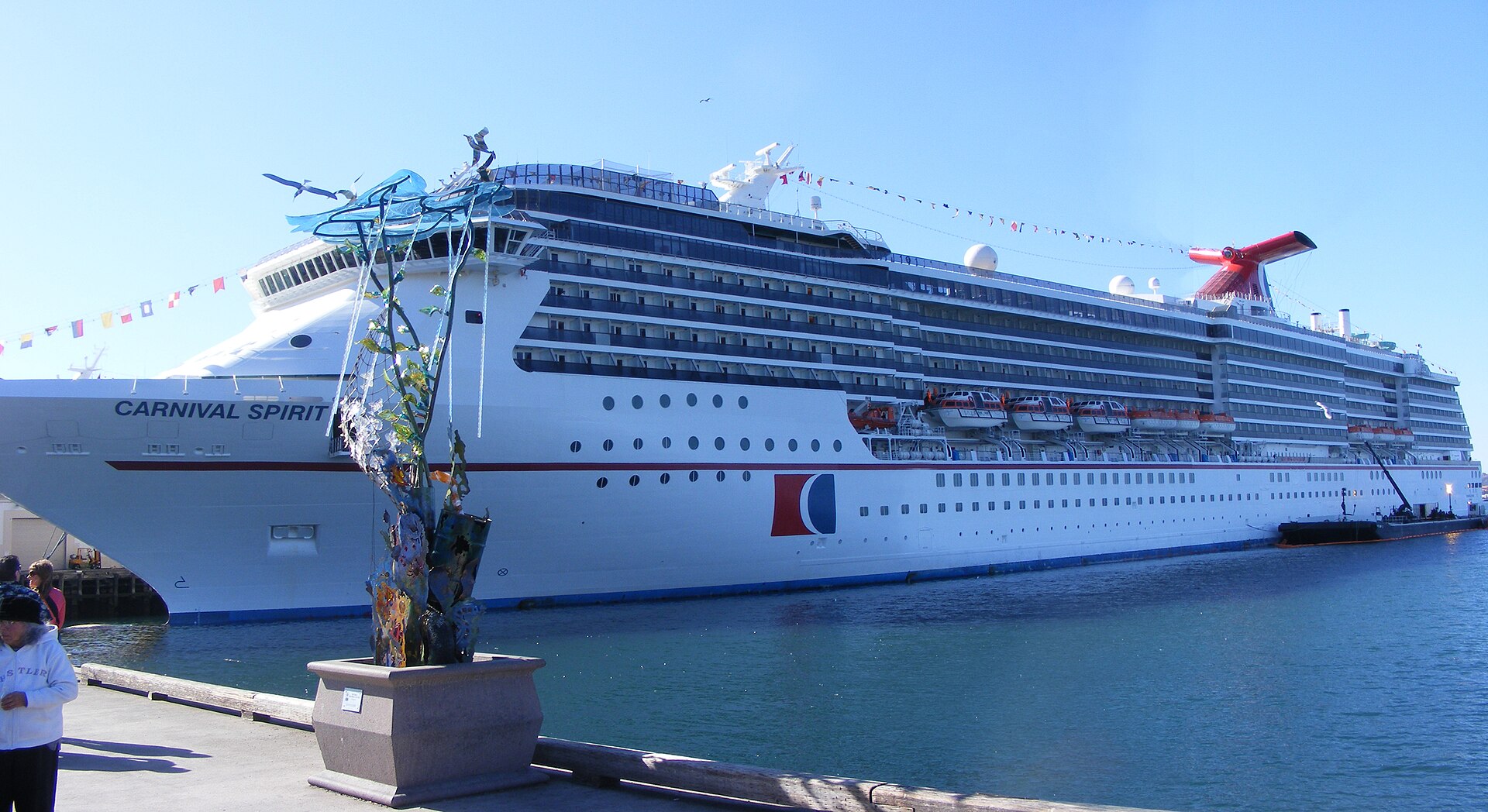
That’s the short version of Carnival Spirit’s 15-night Hawaii cruise from Seattle, which was due home a day late, on Friday, October 9, 2026. The lost stop in Victoria, British Columbia, was the cruise’s only foreign port. Under a US law from 1886, that small change matters more than it looks, and it’s why Hawaii cruises from the West Coast on foreign-flagged ships squeeze in a stop in Canada or Mexico.
What Happened to the Carnival Spirit Hawaii Cruise
Carnival Spirit, the 2001 original of her class, is 88,500 gross tons with 2,124 guests at double occupancy, per Wikipedia and CruiseMapper. She left Seattle on September 23 on a 15-night sailing to Honolulu, Nawiliwili, Kahului, Hilo and, at the very end, Victoria, as Cruise Industry News and Cruise Hive both list it.
🎁 Free: the Cruise Survival Kit
A printable packing checklist and a money-saving cheat sheet, sent to your inbox straight away. Plus the week's best cruise stories and verified deals every Friday.
Send me the free kit →Act one: Hurricane Nolo flips the map
While the ship crossed the Pacific, so did Hurricane Nolo. NPR reported on September 25 that its path had been “prone to sudden shifts,” with the Big Island under a hurricane watch. Cruise Hive, citing the National Hurricane Center, later had it at Category 3 and passing well south of the main islands. AP reported that it skirted the islands at hurricane strength, and that Hawaii’s governor had activated more than 230 National Guard members.
Carnival’s answer was to play the islands backwards. Hilo, the easternmost port, moved from last to first. The new order was Hilo on September 29, Kahului on September 30, Honolulu on October 1 and Nawiliwili on October 2, with the same port hours as before. “While we still expect to visit all scheduled ports, the sequence of our calls has changed,” said the guest letter Cruise Hive saw. Victoria, on October 7 from 8 p.m. to 11:59 p.m., was untouched. A hurricane reshuffle that keeps every port is about as good as storm news gets.
Act two: back to Honolulu, with divers
Then, on Saturday, October 3, Carnival told Cruise Radio, Carnival Spirit “made an unscheduled stop in Honolulu, Hawaii, on October 3rd for repairs that had to be done while the ship was in port.” Cruise Hive carried the same update. “Those repairs were successfully completed that evening,” the line said, and “all safety systems and hotel services” kept working normally.
What was being fixed? Carnival hasn’t said. One guest told Cruise Radio’s tip line that divers were seen around the ship while she was alongside. Beyond that, we’re not going to guess.
Act three: no Canada, and a sprint home
The repair stop cost the cruise its last port. In Carnival’s words, the stop “resulted in the cancellation of the ship’s planned visit to Victoria, British Columbia,” and delayed the return to Seattle by a day, to Friday, October 9. Both Cruise Radio and Cruise Hive report the cancellation.
Captain Lorenzo Calogero’s October 4 letter, as reported by Cruise Radio, told guests that the extra day at sea, “including gratuities and pre-purchased beverage packages, will be on us.” A bonus sea day with the drinks package covered: not bad, unless you had a Thursday flight.
Act four: the next cruise pays too
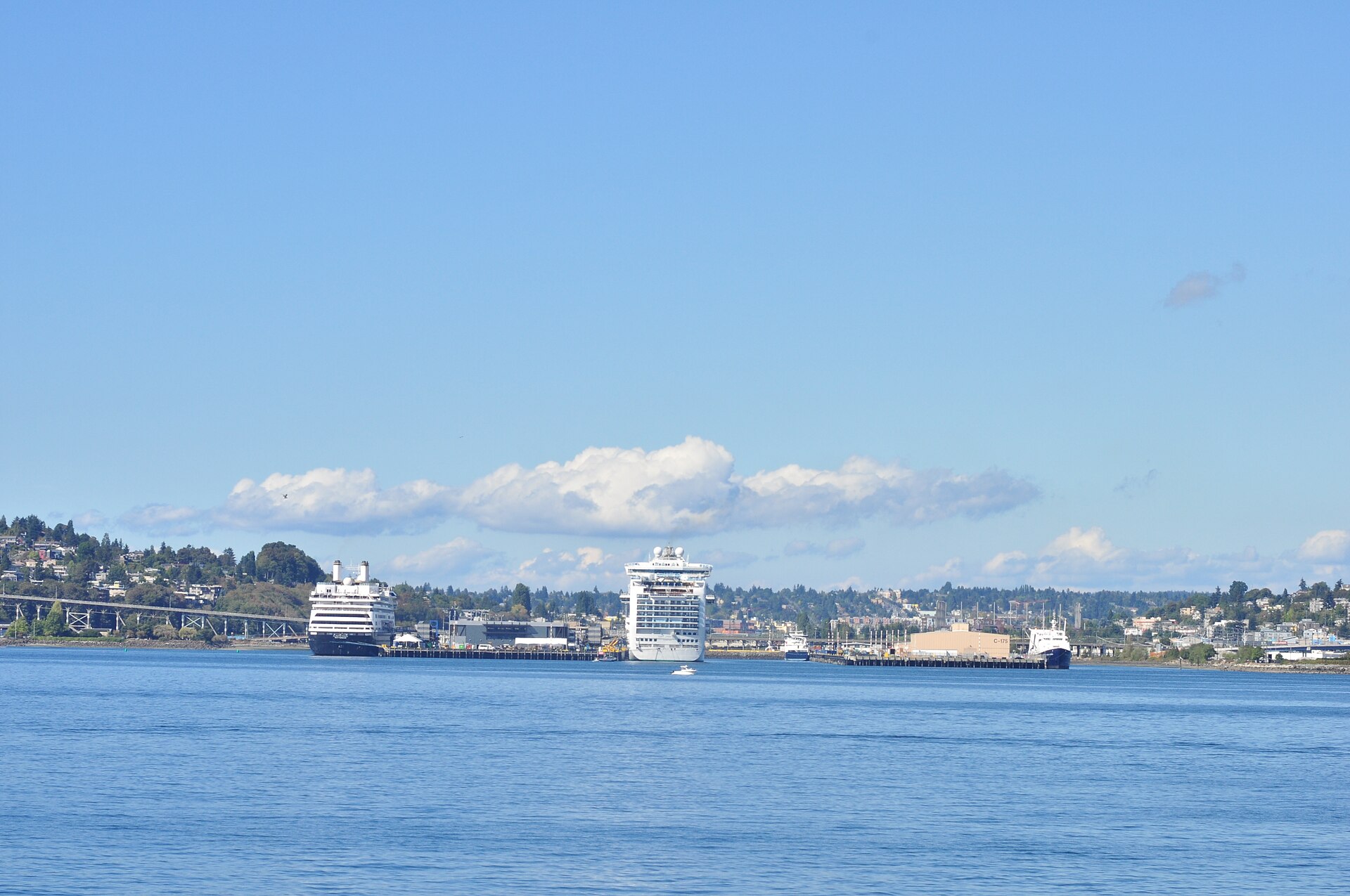
A day late home means a day late out. The next sailing, a Panama Canal repositioning to Mobile, Alabama, moved from October 8 to October 9 and shrank from 16 nights to 15. To keep its booked canal slot, Carnival dropped Cabo San Lucas: the October 13 call became a sea day, while Puntarenas, Costa Rica, and the October 19 transit stayed put, per Cruise Hive and Cruise Industry News. Asked about the canal, Carnival brand ambassador John Heald answered: “No, we still have our slot booked for that.”
“We know this is disappointing news and we apologize for these unexpected adjustments,” Carnival told those guests, according to Cruise Industry News and Cruise Maven.
Not Her First Rodeo: Carnival Spirit’s 2026 in One Timeline
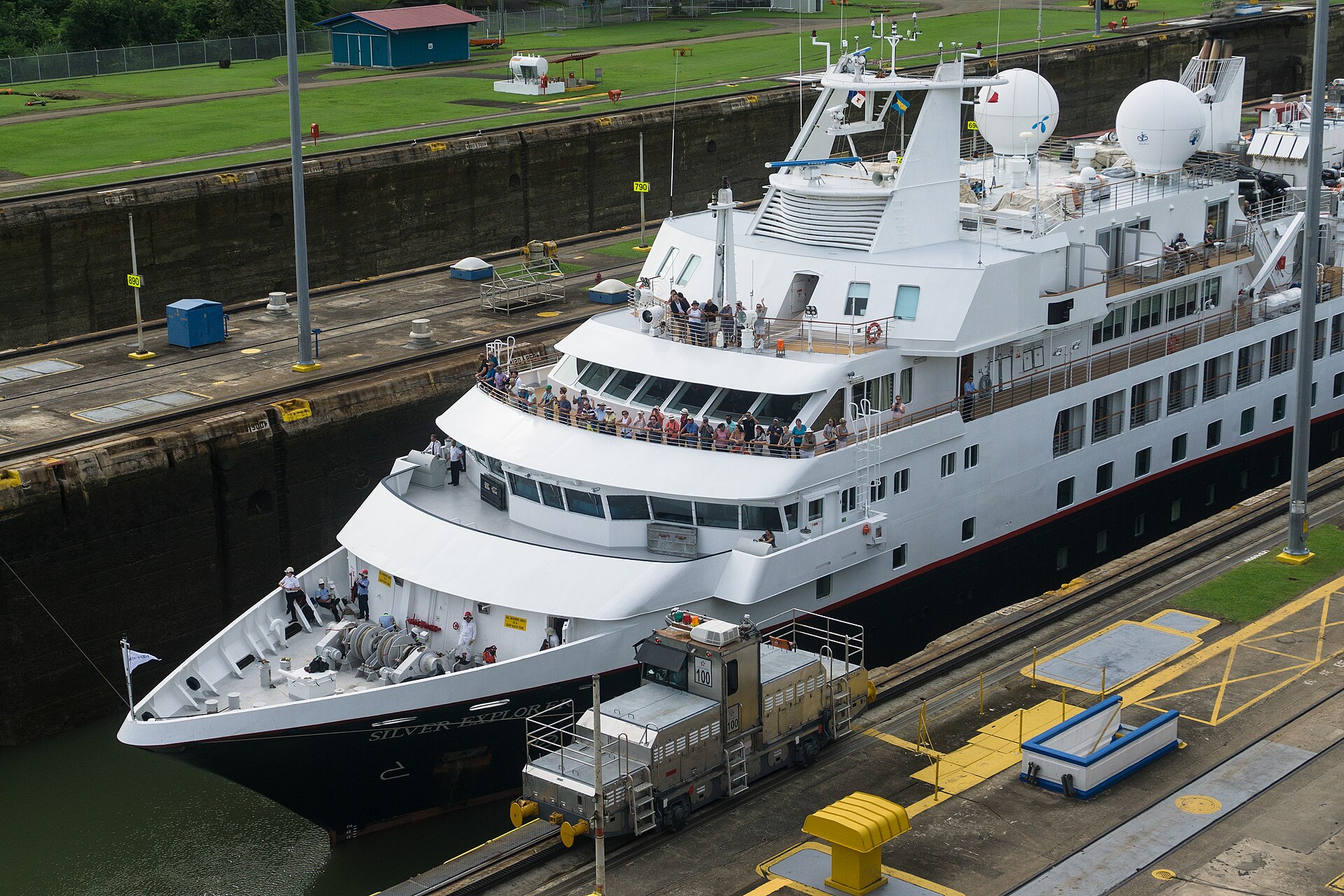
This is the third time this year that repairs have reshaped a Carnival Spirit itinerary. Carnival hasn’t disclosed what any of the repairs were or whether they’re related, as Cruise Radio notes. Here’s the year so far, with what guests were offered each time.
| Date (2026) | Sailing | What changed | What guests were offered |
|---|---|---|---|
| April 5–12 | 7-night Bahamas from Mobile | Bimini dropped for unspecified “in-service work”; Celebration Key moved a day | $100 onboard credit per stateroom; Bimini tours refunded |
| April 12–13 | Panama Canal repositioning, Mobile to Seattle | Sailed a day late (midafternoon April 13) after more in-port repairs; Cartagena dropped | $100 onboard credit per stateroom; Cartagena tours refunded |
| Sept. 23 | 15-night Hawaii from Seattle | Departs on schedule | – |
| Late Sept. | Same | Hurricane Nolo: island order reversed, every port kept | Tours moved to the new days |
| Oct. 3 | Same | Unscheduled Honolulu repair stop, finished that evening | – |
| Oct. 7 | Same | Victoria, the only foreign port, cancelled | Extra day’s gratuities and drinks packages covered; free Internet Value Plan to rebook travel; up to $200 a person for self-booked flight changes (per Cruise Radio) |
| Oct. 8 → 9 | Same | Arrives Seattle a day late | As above |
| Oct. 9–24 | Repositioning, Seattle to Mobile | Starts a day late, 16 nights cut to 15, Cabo (Oct. 13) becomes a sea day | One day’s fare refunded to the original payment method; one day of prepaid drinks, Wi-Fi and gratuities refunded; $250 onboard credit per stateroom; Cabo tours refunded; up to $200 a person for travel changes, with receipts |
One perfect detail from April: while the ship sat in Mobile an extra night, the shops and casino stayed shut “due to customs rules,” Cruise Hive reported. Cruise ships run on laws you only notice when the schedule breaks. Which brings us to Victoria.
Why Losing Victoria Is a Bigger Deal Than Losing a Port
A Hawaii cruise from Seattle doesn’t end in Victoria at 8 p.m. for the scenery. It ends there because of the Passenger Vessel Services Act of 1886. The law, now 46 U.S.C. § 55103, says a vessel “may not transport passengers between ports or places in the United States,” directly or via a foreign port, unless it’s US-owned and holds a coastwise endorsement. Like nearly every big cruise ship, Carnival Spirit doesn’t qualify. Wikipedia lists her registry as Nassau, Bahamas.
US Customs and Border Protection spells out how that applies to cruises in 19 CFR 4.80a. For a foreign-flag ship that boards passengers at a US port, the first rule reads:
“If the passenger is on a voyage solely to one or more coastwise ports and the passenger disembarks or goes ashore temporarily at a coastwise port, there is a violation of the coastwise law.”
Add one “nearby foreign port,” a category that covers anywhere in North America, Central America, Bermuda or the West Indies, and a round trip that ends where it began is fine. That’s the legal job Victoria (or Ensenada, on cruises from California) does on a Hawaii itinerary.
Take Victoria out, and what’s left is Seattle, four Hawaiian ports where everyone went ashore, then Seattle again. CBP’s own guide to the PVSA uses almost exactly this as its textbook example:
“A PVSA violation occurs when passengers embark a non-coastwise-qualified vessel in Los Angeles and are transported to several Hawaiian Islands where the passengers go ashore temporarily then return to the vessel and disembark in Los Angeles.”
Swap Los Angeles for Seattle and you have the Carnival Spirit sailing that was due home on October 9.
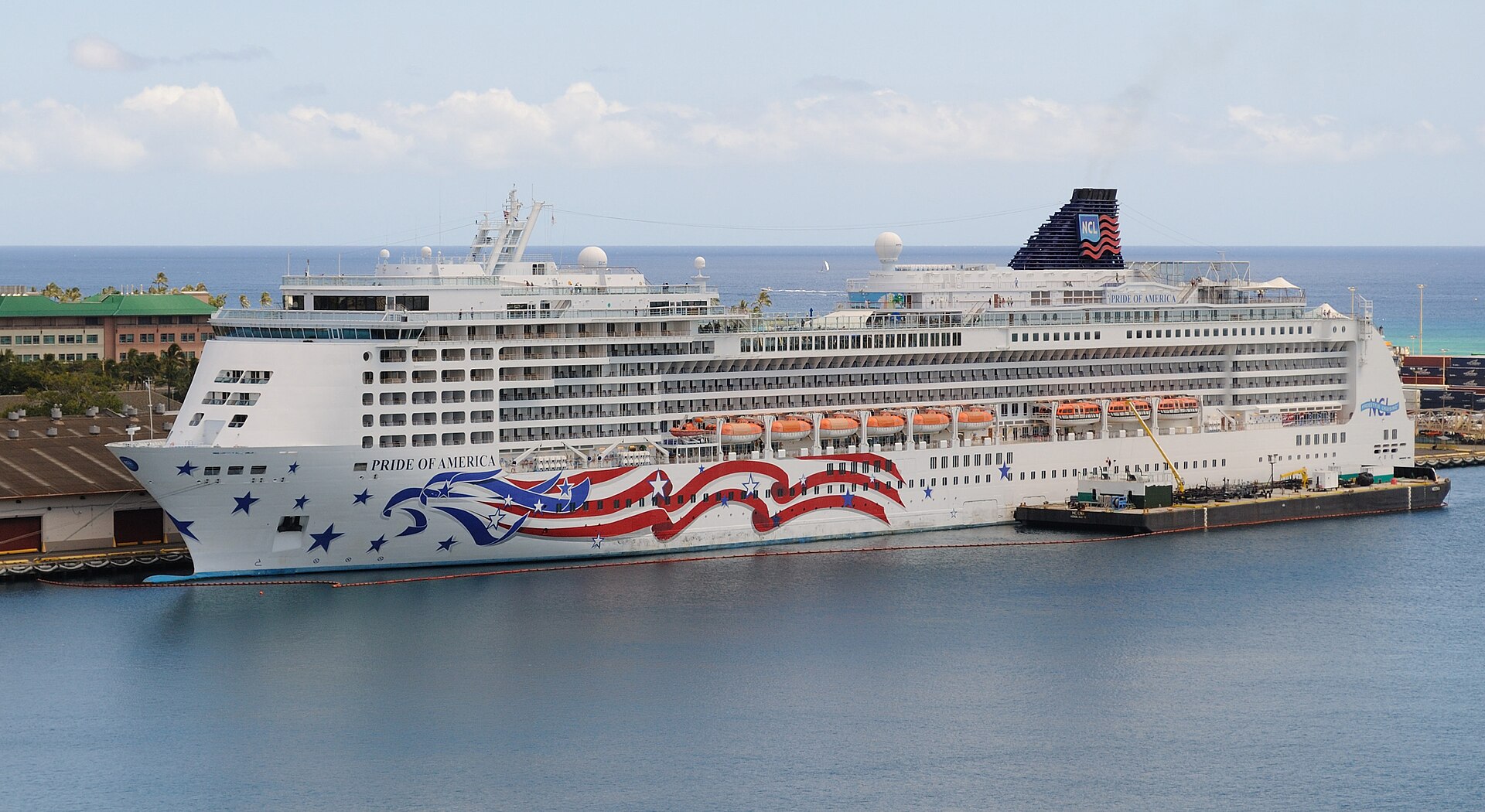
The one big ship that doesn’t have to bother is Norwegian’s Pride of America, which Norwegian calls “the only U.S. flagged cruise ship in Hawaii.” She sails year-round from Honolulu and never needs a foreign port. Cruise Hive’s PVSA explainer names her as the exception too. Everyone else needs that foreign stop.
So is Carnival getting fined?
We don’t know, and nobody has reported that it is. The penalty is set in 19 CFR 4.80 at $996 for each passenger “transported and landed” after November 2, 2015. The statute says $300, and the figure has been raised for inflation over the years; CBP’s 2019 guide still showed $798. Just as arithmetic, $996 times Spirit’s 2,124 double-occupancy berths comes to about $2.1 million. That’s the size of the rule, not a reported fine, and we don’t know how many guests were actually aboard.
The same CBP guide says penalties are “issued to the vessel operator or carrier not the passenger,” and that the operator can petition the port that issued one to cancel it or reduce it. CBP “has the sole authority to mitigate penalties at its discretion,” the guide adds, and then, in capitals, “MITIGATION IS NOT A WAIVER OF THE PVSA.” Whether CBP would excuse an unplanned repair stop is its call, and Carnival’s statements haven’t mentioned the law at all. (For the same law shaping a hurricane reroute, see last week’s Carnival Panorama cruise that visited Ensenada twice.)
Why Guests Got Cash This Time and Credit in April
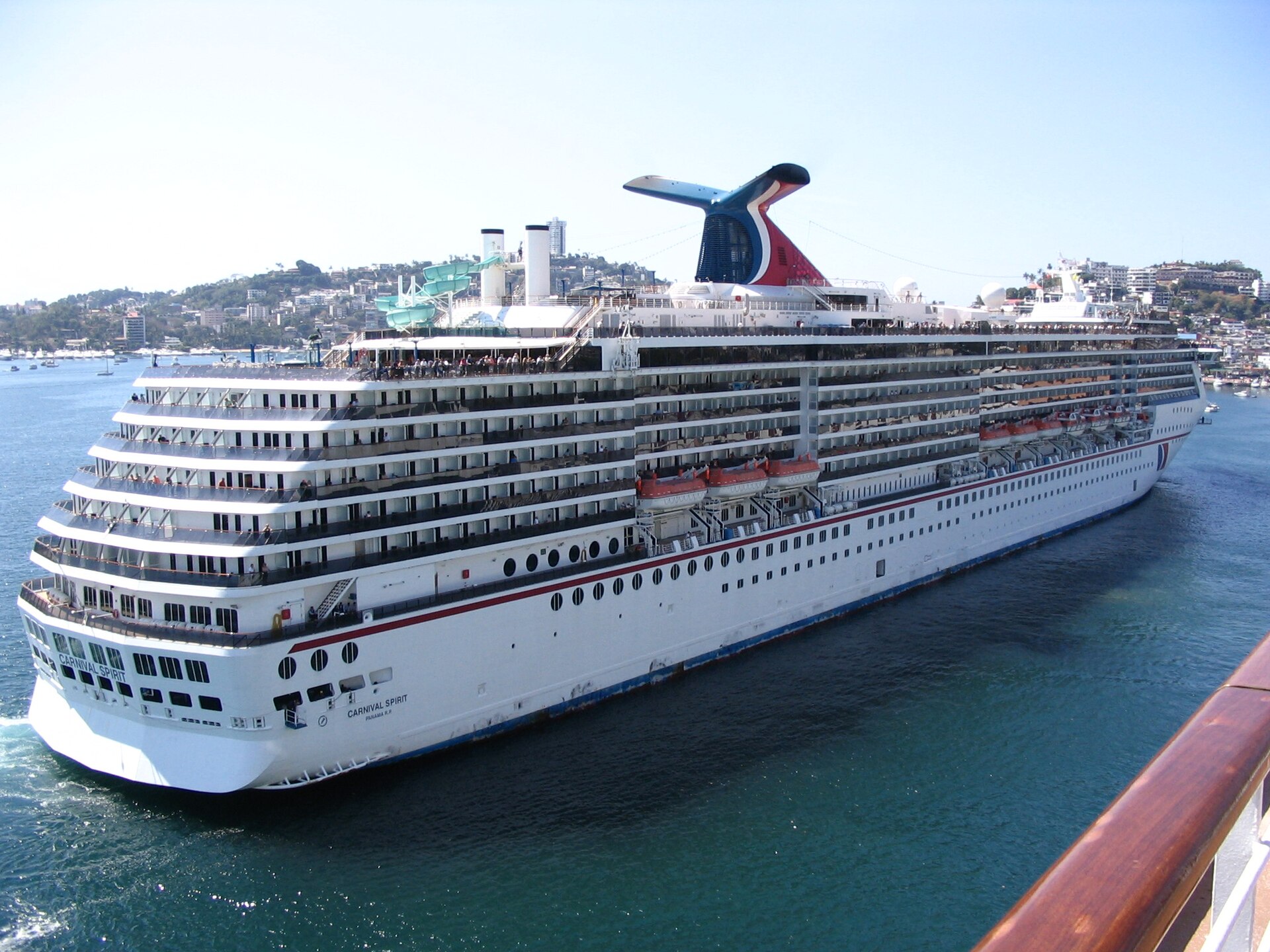
Look at the timeline again. In April, guests who lost Bimini or Cartagena got $100 in onboard credit. In October, guests on the shortened repositioning cruise got a day’s fare back to their card. Carnival hasn’t explained the difference, but it lines up neatly with the Carnival ticket contract.
Clause 8(d) covers skipped ports. It lets the ship “omit or change any or all port calls … for any reason whatsoever,” with “mechanical breakdowns” on the list, and says that apart from mechanical failures, Carnival’s own itinerary-change policy or federal rules, Carnival “shall have no liability for any compensation or other damages” for the change. A lost port on its own earns you whatever goodwill the line offers.
Clause 8(c) is the one that bites when a mechanical problem shortens a cruise:
“In the event a voyage is canceled or terminated early due to a mechanical failure of the Vessel, Guest is entitled to their Total Cruise Price, or a proportional share thereof as determined by Carnival…”
For a cruise shortened for any other reason, the next sentence offers only “a Future Cruise Credit or an Onboard Credit.” That mirrors the cruise industry’s voluntary Passenger Bill of Rights, which promises “a partial refund for voyages that are terminated early due to those failures,” in the text published by TUI. Carnival’s contract says that if the two directly conflict, the Bill of Rights in effect when you booked wins. Neither document promises anything for a missed port.
What This Means for Your Next Hawaii (or Any Long) Cruise
- Find your “law port.” On a round trip from a US port, look for the single foreign stop, such as Victoria or Ensenada on Hawaii runs. It’s often last, so any delay earlier in the trip squeezes it first.
- Don’t book a tight flight home after a long cruise. Fifteen nights across the open Pacific leaves little slack. A day-late return is exactly what happened here, and Carnival’s help with self-booked flights topped out at $200 a person.
- Keep every receipt. Cruise Hive reports the $200 reimbursement needs them. Photograph every change fee and extra hotel bill.
- Know which clause you’re under. A port skipped for any reason: expect goodwill credit at best (8(d)). A cruise cut short by a mechanical failure: you’re owed a share of your fare under 8(c). If you’re offered credit for a mechanically shortened cruise, ask about the refund.
- A PVSA fine is never your bill. CBP’s guide says penalties go to the operator, not the passenger.
- Check your travel insurance for trip delay and missed-connection cover. It’s the part of the policy that pays when your ship is late and your airline isn’t.
The Bottom Line
Carnival Spirit dodged a hurricane without losing a Hawaiian port. Then an unexplained repair stop cost her Canada, a day, and Cabo on the next cruise. Guests aboard got an extra day with gratuities and drinks packages covered; the next lot got a day’s fare back and $250 to spend aboard.
And somewhere in a federal rulebook, there’s a 140-year-old law that explains that late-night stop in Victoria. If your Hawaii cruise ends with a short, oddly timed evening in Canada, now you know why it’s there, and why it’s the one port nobody wants to lose.
Cruise Chaos earns nothing from cruise lines and doesn’t run booking affiliate links. This story is based on Carnival’s statements and guest notices as reported by Cruise Radio, Cruise Hive, Cruise Industry News and Cruise Maven, on NPR and AP reporting on Hurricane Nolo, and on the primary texts of the US statute, the CBP regulations and guide, and Carnival’s ticket contract. Carnival hasn’t said what was repaired, and no PVSA penalty has been reported. We’ll update this story if either changes. If we’ve got something wrong, tell us and we’ll correct it in the open.
Coming up on Cruise Chaos: more chaos from the high seas, with every fact checked.
🎁 Get our free Cruise Survival Kit. Join the Cruise Chaos crew and we’ll email you our printable packing checklist and money-saving cheat sheet right away, plus the week’s best cruise stories and verified deals every Friday. Send me the free kit →
Got a cruise story like this?
Something wild, strange or funny happened on your sailing? Tell us what happened. We read every story, fact-check it, and email you before anything is published.
Keep Reading
- What Happens When a Cruise Ship Skips a Port? Here’s What You’re Actually Owed
- Four Mexican Ports Booked, Ensenada Twice: The Carnival Cruise Two Hurricanes Rewrote
- Carnival Freedom’s Funnel Caught Fire Twice. Now It Has a Third Whale Tail, and It’s Shorter
Sources
- Cruise Radio: Carnival Spirit Delayed Back to Seattle After Unscheduled Honolulu Repair Stop (October 6, 2026)
- Cruise Hive: Carnival Spirit Delayed Into Seattle After Repairs, Cruise Cut Short (October 5, 2026)
- Cruise Industry News: Carnival Spirit Delays Return to Seattle After Undergoing Repairs (October 7, 2026)
- Cruise Maven: Carnival Spirit Delays Return to Seattle After Undergoing Repairs (October 7, 2026)
- Cruise Hive: Hurricane Nolo Turns Carnival Hawaii Cruise Itinerary Upside Down (September 28, 2026)
- NPR (via KUOW): Hurricane Nolo, a zig-zagging storm, threatens Hawaii with flooding rains (September 25, 2026)
- AP (via News4JAX): Nolo strengthens to a hurricane again in the Pacific Ocean (October 2, 2026)
- Cruise Hive: Maintenance Work Prompts Itinerary Change on Carnival Spirit Cruise (April 9, 2026)
- Cruise Hive: Carnival Spirit Repositioning Cruise Faces Delay and Lost Port Stop (April 11, 2026)
- Cruise Industry News: Carnival Spirit to Undergo Further In-Service Repair Work (April 16, 2026)
- 46 U.S.C. § 55103, Transportation of passengers (via Cornell LII)
- 19 CFR 4.80a, Coastwise transportation of passengers (via Cornell LII)
- 19 CFR 4.80, Vessels entitled to engage in coastwise trade (penalty amounts, via Cornell LII)
- US Customs and Border Protection: The Passenger Vessel Services Act, Informed Compliance Publication (September 2019, PDF)
- Carnival Cruise Line: Ticket Contract, clauses 8(c) and 8(d)
- TUI: CLIA Cruise Industry Passenger Bill of Rights
- Norwegian Cruise Line: Pride of America
- Cruise Hive: What Is the Passenger Vessel Services Act and How Does It Impact Cruises?
- Wikipedia: Carnival Spirit (ship specifications)
- CruiseMapper: Carnival Spirit
You May Also Like
 Cairns Spent A$127 Million to Fit Bigger Cruise Ships. Then the Mud Came Back.
 Packed for Nova Scotia, Sailing to Nassau: The Nor’easter That Scrambled a Fleet of Cruise Ships
 Four Mexican Ports Booked, Ensenada Twice: The Carnival Cruise Two Hurricanes Rewrote
 A Catamaran Tried to Arrest Scarlet Lady. An Insurer’s Letter Set Her Free.