
How we work: facts are checked against original sources and linked, cruise prices are verified on the cruise line’s own website the day we publish, and we earn no commissions. Spotted a mistake? Tell us and we will correct it.
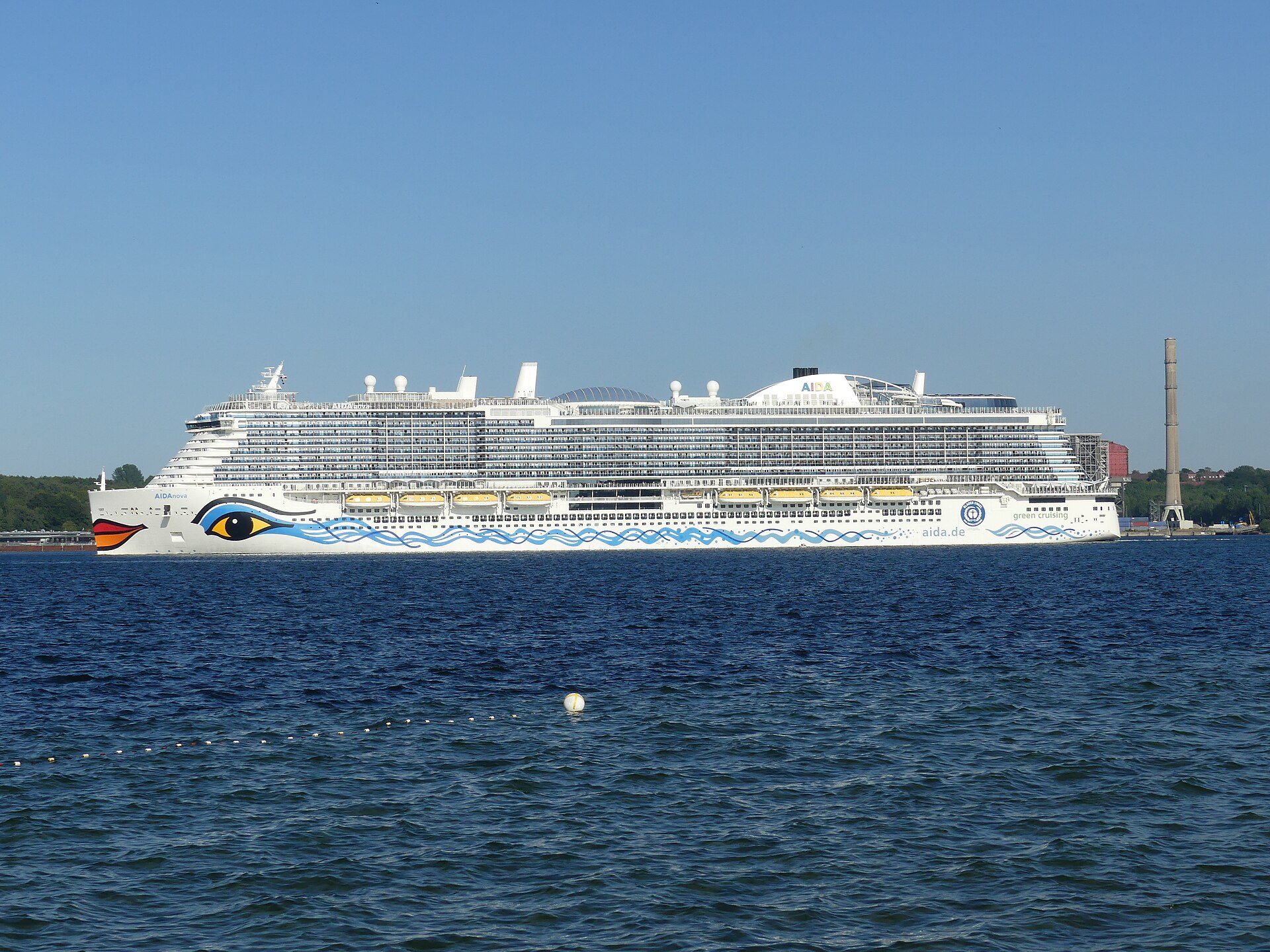
Sunday, October 18, was supposed to be the quiet day. AIDAnova had left Kiel the evening before on a seven-night Norway cruise, and the first full day was a sea day: the long, lazy crossing of the Skagerrak toward Bergen.
Then, at about 2:30 in the afternoon, the 183,858-ton ship made a sharp turn and sped up to more than 21 knots, according to position data reported by Schiffe und Kreuzfahrten.
Somewhere ahead, a Danish fishing boat was on fire. Its four crew were in a liferaft.
About an hour later, all four were aboard a cruise ship built for more than 5,000 holidaymakers. Nobody was hurt. And AIDAnova was still expected in Bergen at breakfast.
What Happened in the Skagerrak
The Skagerrak is the strait between Norway and Denmark: busy with ferries, freighters and fishing boats. On Sunday afternoon, a Danish-flagged fishing boat caught fire on the Norwegian side of it.
🎁 Free: the Cruise Survival Kit
A printable packing checklist and a money-saving cheat sheet, sent to your inbox straight away. Plus the week's best cruise stories and verified deals every Friday.
Send me the free kit →“It’s a fishing boat, located midway between Denmark and Norway. It appears the boat is on fire and smoke has been observed,” Per Ivar Austnaberg, rescue leader at Norway’s Joint Rescue Coordination Centre for Southern Norway (Hovedredningssentralen Sør), told VG at 3:10 p.m. (our translation). Flames were seen too.
The four fishermen did the textbook thing. They abandoned the boat and got into their liferaft. A boat launched from AIDAnova picked them up, and by 3:35 p.m. Austnaberg could confirm the outcome to VG: all four safe, none injured. In his words, they had been taken aboard a tender “from the large Italian cruise ship AidaNova.”
(Italian? AIDA is a German brand, run from Rostock. But AIDAnova is registered in Genoa and flies the Italian flag, so on paper the rescue centre was right. Flags of convenience: confusing people mid-rescue since forever.)
Cruise Hive reports that the men were taken to the ship’s medical centre. AIDAnova left the scene at about 4 p.m. and set course for Bergen again. The fishing boat was left burning. The cause of the fire, the boat’s name and the crew’s nationalities had not been made public when we published. Danish outlets TV2 Nord and FiskerForum say they know which boat it is but are withholding the name.
The Supporting Cast: A Ferry, Two Helicopters and a Restaurant Window
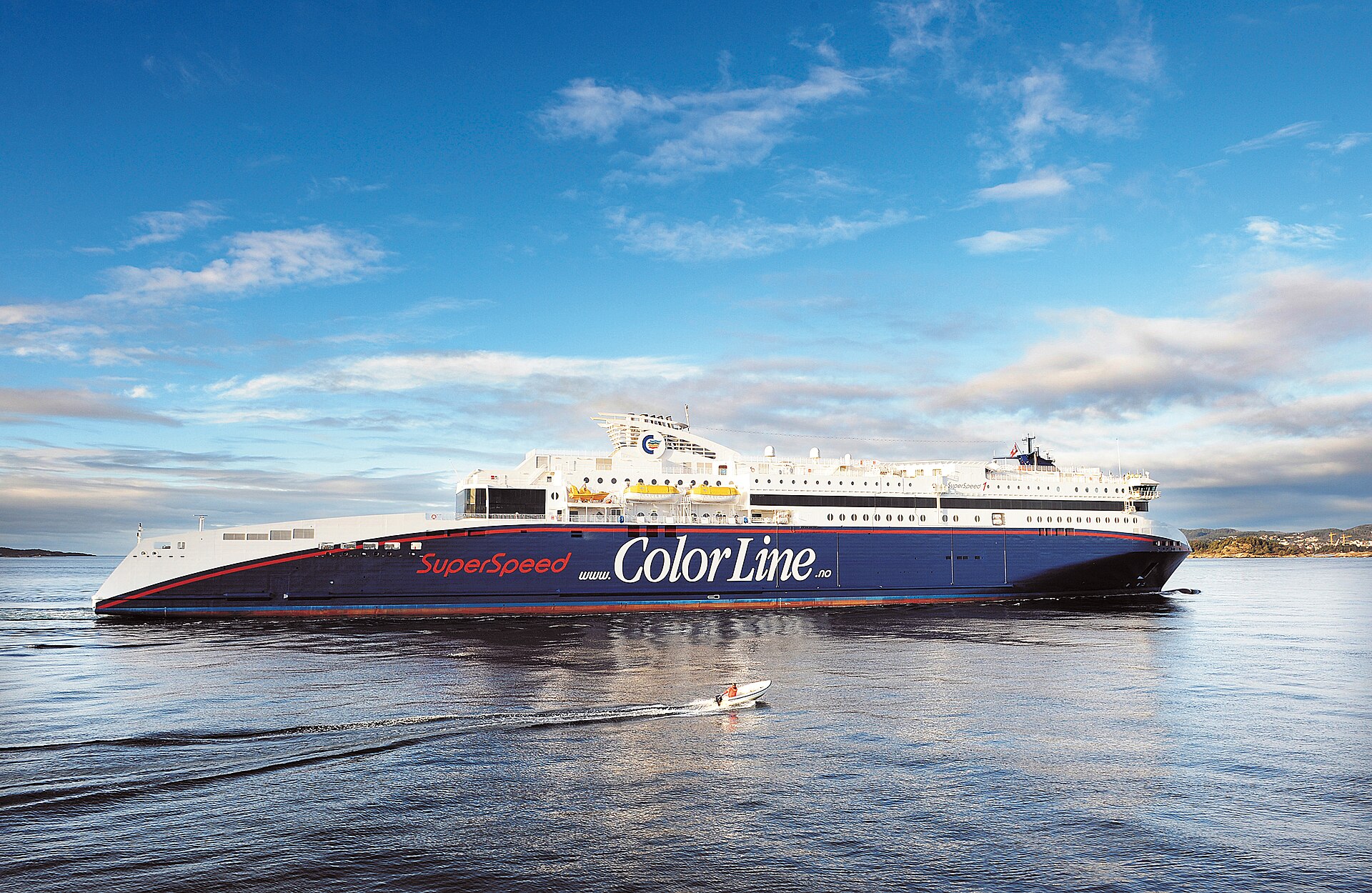
AIDAnova wasn’t the only ship called in. Color Line’s ferry SuperSpeed 1, on its run from Hirtshals in Denmark to Kristiansand in Norway, was sent toward the fire as well. VG says it turned back toward Denmark to help. One passenger photographed the burning boat, wrapped in thick smoke, from the ferry’s restaurant, and the photo ran in VG.
Once AIDAnova’s crew had the fishermen, the ferry was released at about 3:30 p.m. and carried on to Kristiansand. A ferry passenger told the Norwegian paper Dagbladet that the detour added an estimated one hour to 90 minutes to the trip, CruiseNews.io reports.
Overhead, a Norwegian rescue helicopter from Sola, near Stavanger, reached the scene at 3:23 p.m., according to CruiseNews.io and CruiseMapper. It flew home once everyone was accounted for. Denmark sent one too. “We had a Danish helicopter out at the burning boat,” Christer Haven, a press adviser at the Danish Defence Command, told the news agency Ritzau, as quoted by FiskerForum (our translation).
The Rescue, Minute by Minute
Reports differ by a few minutes here and there, so here is each time together with who reported it. All times are local (CEST) on Sunday, October 18, 2026.
| Time | What happened | Reported by |
|---|---|---|
| ~2:30 p.m. | AIDAnova changes course and heads for the scene at more than 21 knots | Schiffe und Kreuzfahrten (position data) |
| ~3:00 p.m. | AIDAnova reaches the burning boat and launches a boat; the four are already in their liferaft | Schiffe und Kreuzfahrten |
| 3:10 p.m. | The rescue centre tells VG a fishing boat appears to be on fire | VG |
| 3:23 p.m. | Norwegian rescue helicopter from Sola arrives | CruiseNews.io, CruiseMapper |
| ~3:30 p.m. | SuperSpeed 1 is released and resumes its crossing | VG, FiskerForum |
| 3:35 p.m. | Rescue leader confirms all four are safe, none injured | VG |
| ~4:00 p.m. | AIDAnova leaves the scene and resumes course for Bergen | Schiffe und Kreuzfahrten, Cruise Hive |
| Mon. 9:00 a.m. | AIDAnova’s scheduled Bergen arrival, which Cruise Hive reports it made | Cruise Hive |
One quirk: AIDAnova seems to have been on scene before the rescue leader’s first comment to the press. That isn’t a contradiction. The 3:10 p.m. time is when Austnaberg spoke to VG, not when the alarm was raised.
Why a Cruise Ship Drops Everything: It’s the Law
A ship full of passengers on a schedule might look like a strange choice of lifeboat. But the captain didn’t have to weigh it up like a business decision. Three layers of maritime law already settle it.
1. The UN Convention on the Law of the Sea, Article 98. Every country must require the masters of its ships, “in so far as he can do so without serious danger to the ship, the crew or the passengers,” to do two things:
“(a) to render assistance to any person found at sea in danger of being lost; (b) to proceed with all possible speed to the rescue of persons in distress, if informed of their need of assistance, in so far as such action may reasonably be expected of him”
UNCLOS, Article 98(1)
2. SOLAS, the big ship-safety treaty, Chapter V, Regulation 33. It turns that duty into a working rule. A master who can help and receives information “from any source” that people are in distress “is bound to proceed with all speed to their assistance,” and this applies “regardless of the nationality or status of such persons.” A master who doesn’t go has to write the reason in the logbook. (Wording as reproduced by the RYA and the shipowners’ insurer West P&I.)
3. The 1989 Salvage Convention. Article 10 repeats the duty. Article 16 settles who pays: “No remuneration is due from persons whose lives are saved.” (Text as enacted in UK law in Schedule 11 of the Merchant Shipping Act 1995.) Nobody sends four rescued fishermen a bill for the ride. Shipowners usually get diversion costs back through their own insurance: West P&I’s club rules, for example, cover the net extra fuel, wages and port charges of a diversion “reasonably undertaken” for search and rescue.
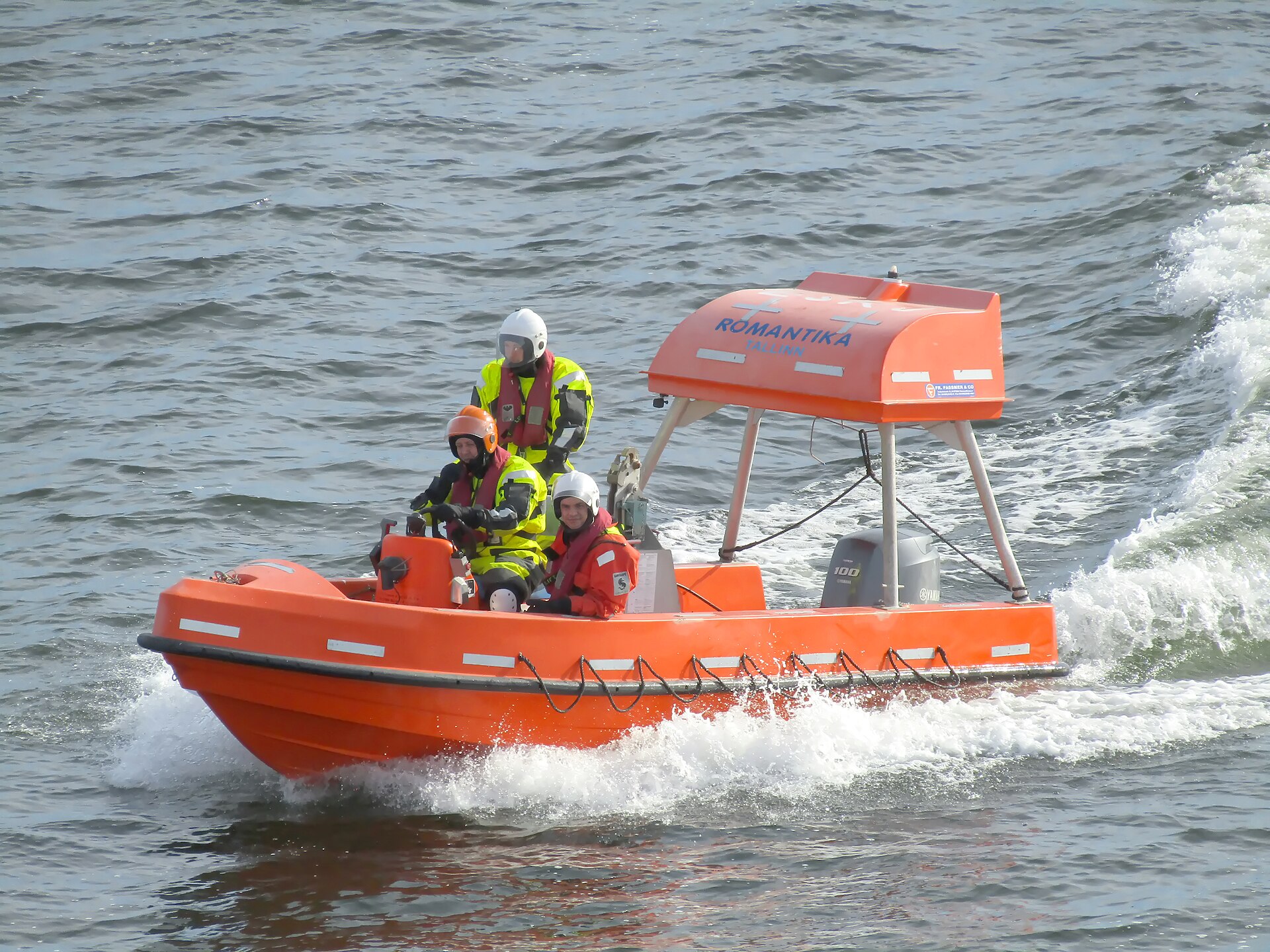
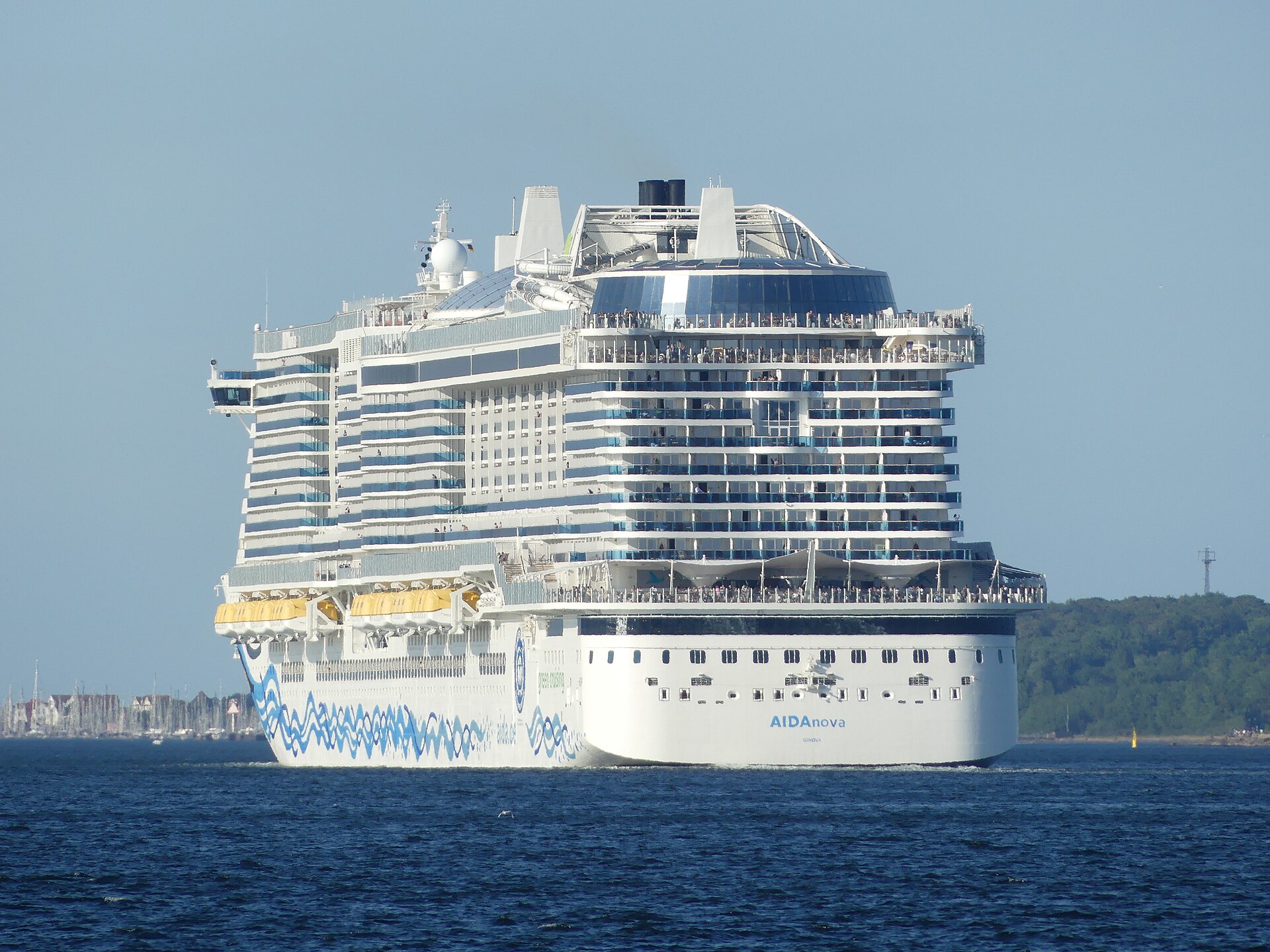
Why does it so often end up being a cruise ship? On a busy route, the nearest big ship with a crew trained to launch boats is often carrying passengers. Since 1 July 2014, SOLAS has also required every ship it covers to have plans and procedures for getting people out of the water, including which onboard equipment to use and how to keep the crew safe while doing it, as the insurer Skuld explains. A ship with 1,646 crew (per Wikipedia’s ship listing), a hospital and a doctor on duty is a very good place to end up after an afternoon in a liferaft.
The calm helped too. Schiffe und Kreuzfahrten describes “relatively calm” autumn weather, and in calm water a liferaft and a small boat can be brought together safely.
What It Means If Your Ship Turns Around for a Rescue
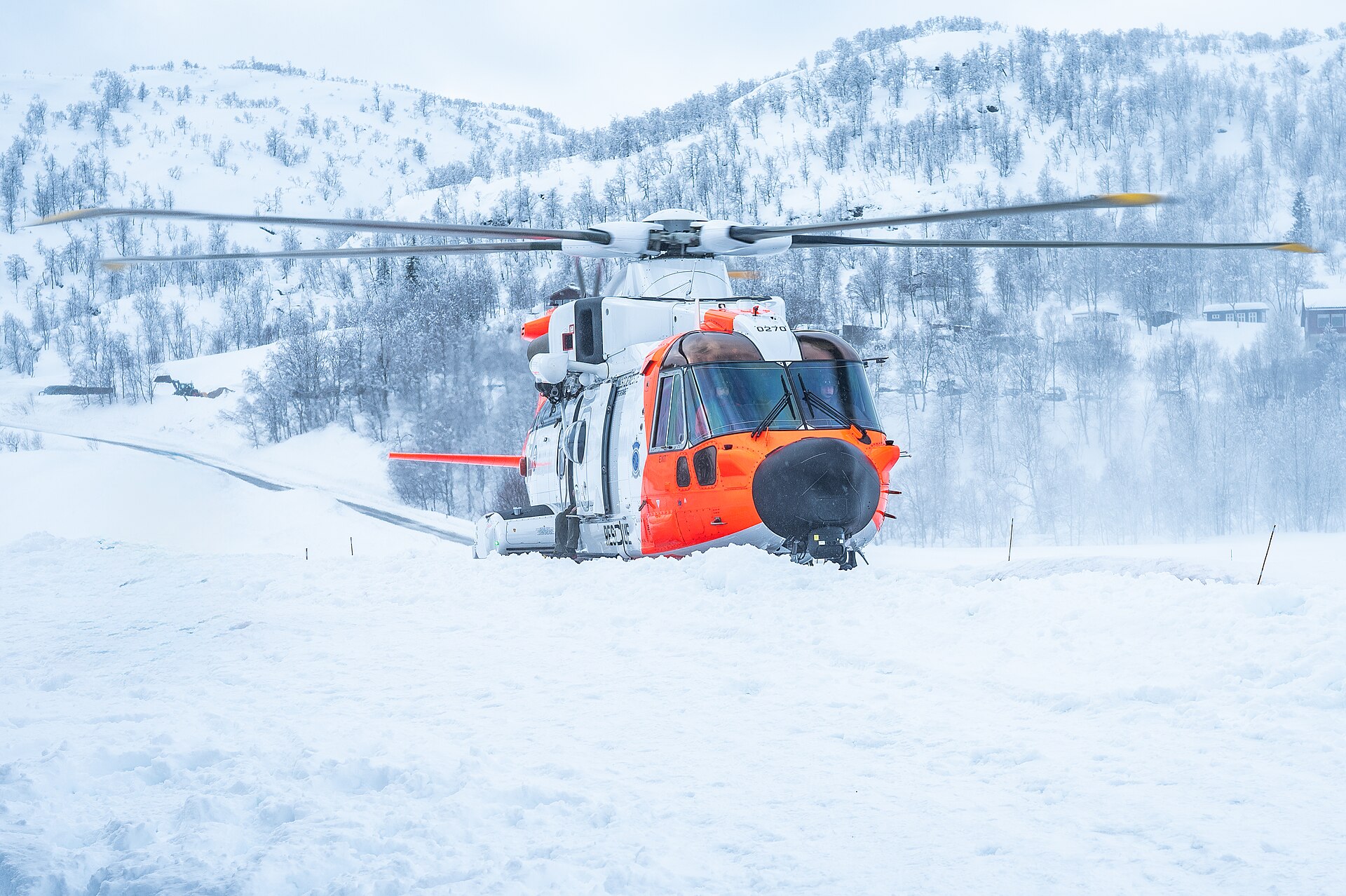
AIDAnova’s guests lost nothing but a few hours of sea day. Not every rescue diversion goes that smoothly, though. Here is what to know if your ship gets the call.
- Your contract already allows it. Carnival’s ticket contract, clause 8(d), is typical: the ship may “tow and assist other vessels in any circumstances” and “deviate in any direction or for any purpose from the direct or usual course,” with “all such deviations being considered as forming part of and included in the proposed voyage.” Apart from the exceptions the clause lists (mechanical failures, the line’s own itinerary-change policy, federal rules), Carnival says it owes no compensation for itinerary changes. Read it in full. Other big lines’ contracts give themselves similar rights.
- A missed port is the real risk. When a rescue costs a port call, the usual remedy is a refund of that port’s taxes and fees, not a refund of the fare. See our guide to what you’re owed when a ship skips a port.
- Protect the day after. If a delay cancels a tour you bought from the ship, the line generally refunds it. An independent operator may not. On tight itineraries, choose operators that offer free cancellation, and check that your travel insurance covers missed connections on the last day.
- Stay off the rescue crew’s deck. Watch from your balcony or a public deck, keep the open decks near the boat stations clear, and follow every announcement.
- Think before you post. Passengers’ videos are how half the world learns about rescues like this one. Still, the people in that liferaft are someone’s family, and their names haven’t been released. Film the ship and the sea, not the faces.
The Bottom Line
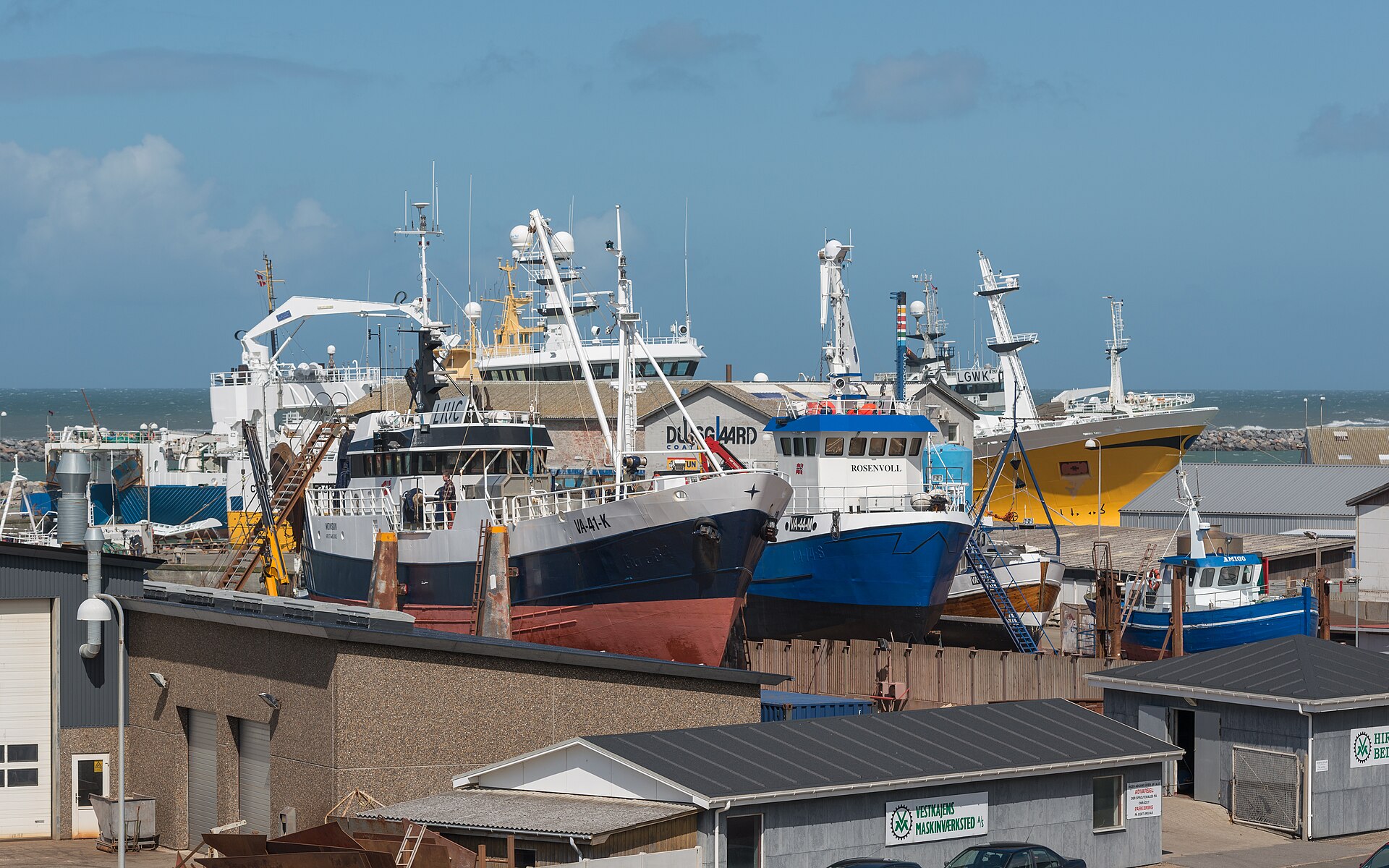
Most cruise chaos stories are about something going wrong. This one is about a system working. A boat burned, its crew got into their raft, a rescue centre in Sola called up nearby ships, a ferry turned around, two countries sent helicopters, and a passing cruise ship put its boat in the water. About an hour after the course change, four men were safe aboard.
The cruise then carried on as if it were an ordinary Sunday. Bergen, Geiranger, Ålesund and Stavanger are still on the schedule. So if your captain ever comes on the PA mid-sea-day to say the ship is changing course to help another vessel, settle in. You’re watching one of the oldest rules of the sea at work.
Cruise Chaos earns nothing from cruise lines and doesn’t run booking affiliate links. The rescue leader’s quotes come from VG and the Danish Defence Command’s from Ritzau via FiskerForum, and the translations are ours. Times are taken from VG, Schiffe und Kreuzfahrten, CruiseNews.io and CruiseMapper, and the table notes where each came from. The Bergen arrival is Cruise Hive’s report. AIDA Cruises hadn’t commented publicly when we checked, and we haven’t guessed at the cause of the fire. The law is quoted from the UN’s UNCLOS text, the Salvage Convention as enacted in UK law, and SOLAS V/33 as reproduced by the RYA and West P&I. If we’ve got something wrong, tell us and we’ll correct it in the open.
Coming up on Cruise Chaos: more chaos from the high seas, with every fact checked.
🎁 Get our free Cruise Survival Kit. Join the Cruise Chaos crew and we’ll email you our printable packing checklist and money-saving cheat sheet right away, plus the week’s best cruise stories and verified deals every Friday. Send me the free kit →
Got a cruise story like this?
Something wild, strange or funny happened on your sailing? Tell us what happened. We read every story, fact-check it, and email you before anything is published.
Keep Reading
- Found Alive in the Ionian Sea After About 20 Hours: The Odyssey of the Seas Rescue, Explained
- What Happens When a Cruise Ship Skips a Port? Here’s What You’re Actually Owed
- Snap, Drift, Crunch: Why Cruise Ships Keep Breaking Free From the Dock
Sources
- VG: Fiskebåt sto i brann i Skagerrak: Danskebåten snudde (October 18, 2026, in Norwegian)
- FiskerForum: Fire personer reddet i sikkerhed fra brændende dansk fiskekutter i Skagerrak (October 18, 2026, in Danish)
- TV2 Nord: Drama på åbent hav: Kutter brød i brand, men krydstogtsskib samlede besætning op (October 18, 2026, in Danish)
- Schiffe und Kreuzfahrten: AIDAnova rettet vier Personen von brennendem Fischerboot im Skagerrak (October 18, 2026, in German)
- Hansa: Feuer auf See: “AIDAnova” rettet vier Fischer im Skagerrak (October 19, 2026, in German)
- Kreuzfahrttester: AIDAnova rettet vier Menschen von brennendem Fischkutter (October 18, 2026, in German)
- Cruise Hive: AIDAnova Rescues Four Fishermen From Burning Boat in Skagerrak (October 19, 2026)
- CruiseNews.io: AIDAnova Rescues Four From Burning Fishing Vessel in Skagerrak (October 19, 2026)
- CruiseMapper: AIDAnova crew assists in rescue of 4 fishermen from burning vessel in Skagerrak (October 19, 2026)
- United Nations: UN Convention on the Law of the Sea, Part VII, Article 98
- legislation.gov.uk: Merchant Shipping Act 1995, Schedule 11 (International Convention on Salvage 1989, Articles 10 and 16)
- RYA: SOLAS V Regulations (Regulation 33)
- West P&I: The Rescue of Migrants and Refugees at Sea (SOLAS V/33 and diversion-expense cover)
- Skuld: SOLAS Amendments for Recovery of Persons From the Water
- Carnival Cruise Line: Ticket Contract, Clause 8(d) (checked October 19, 2026)
- Wikipedia: AIDAnova (ship specifications and registry)
You May Also Like
 Scarlet Lady Ran From a Storm Into Rhodes. Then Its Ropes Snapped.
 A Catamaran Tried to Arrest Scarlet Lady. An Insurer’s Letter Set Her Free.
 A Joke, a Nightclub, 13 Charges: The Costa Smeralda Brawl and the Law at Sea
 Fake ‘Captain Has Lost Control’ Alert: How Six Passengers Got on MSC Divina’s PA