
How we work: facts are checked against original sources and linked, cruise prices are verified on the cruise line’s own website the day we publish, and we earn no commissions. Spotted a mistake? Tell us and we will correct it.
The ship pulls away from the pier. The band is playing, the first drink has arrived, and your phone still shows four bars. Twenty minutes later it shows a network name you’ve never seen before, and every text you send has quietly started costing money.
Your phone does work on a cruise. That’s exactly the problem. It works through a network the cruise ship carries with it, at prices your carrier sets for the open sea, and it does it whether you meant it to or not.
We checked AT&T’s, Verizon’s and T-Mobile’s own pages, the cruise lines’ Wi-Fi rules and the European regulators’ report on ship networks on October 17, 2026. Here’s how it works, what it costs, and the settings that keep the bill at zero.
Does My Phone Work on a Cruise? The Short Answer
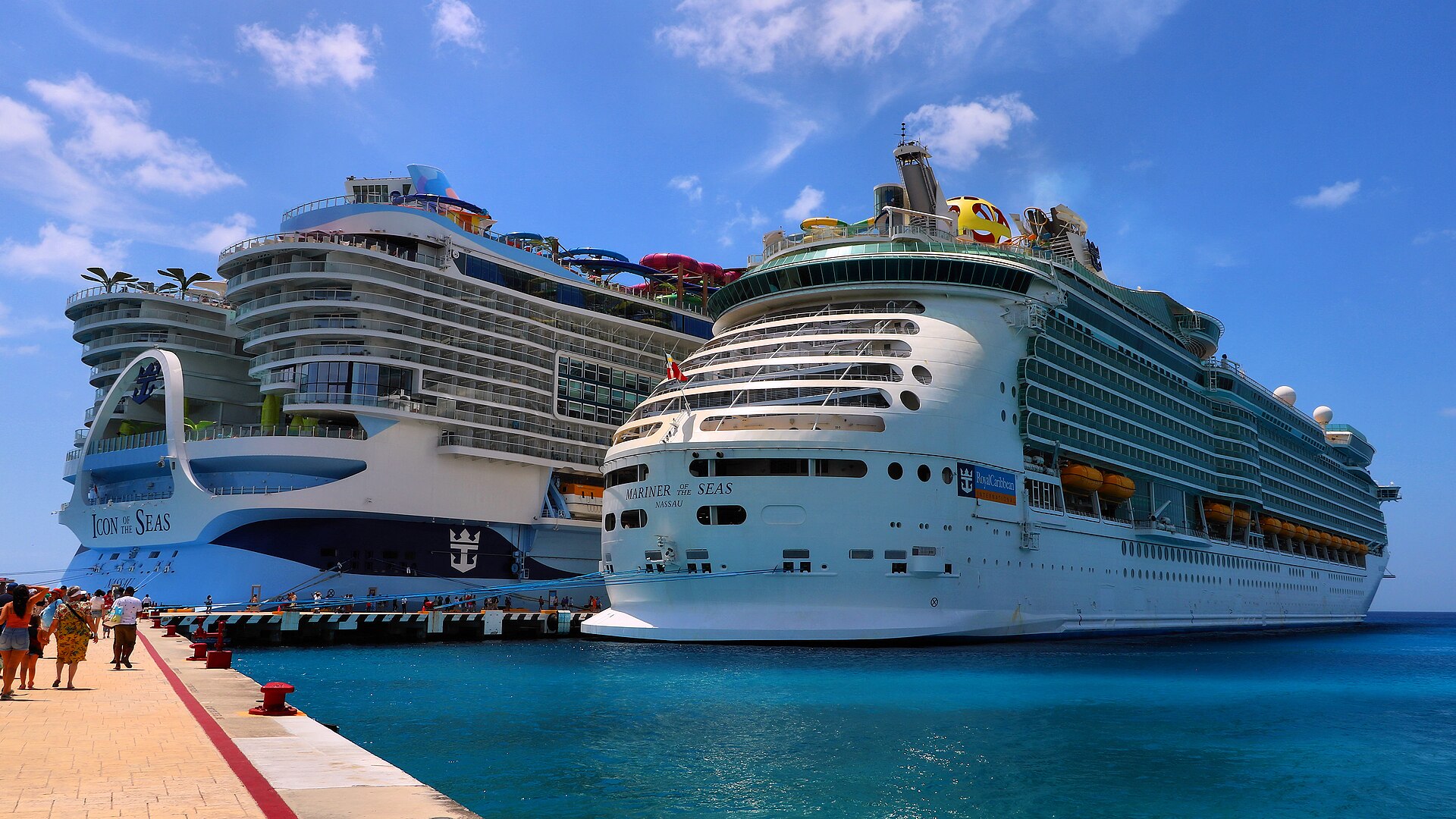
Yes. At sea, most big cruise ships run their own cell network, and your phone can roam on it. But your normal plan doesn’t cover it: you either buy your carrier’s cruise pass (about $20 a day per phone on AT&T and Verizon) or pay by the minute, text and megabyte. The free option is to put your phone in airplane mode and use the ship’s Wi-Fi instead.
Royal Caribbean’s own FAQ confirms your phone will work on board through “cellular at sea,” and says the roaming rates “are determined by your cellular provider,” not by the cruise line. Carnival’s internet page gives the other half of the advice: once on board, turn on airplane mode and connect to the ship’s Wi-Fi to “avoid roaming fees charged by your carrier.”
🎁 Free: the Cruise Survival Kit
A printable packing checklist and a money-saving cheat sheet, sent to your inbox straight away. Plus the week's best cruise stories and verified deals every Friday.
Send me the free kit →How Does a Phone Work in the Middle of the Ocean?
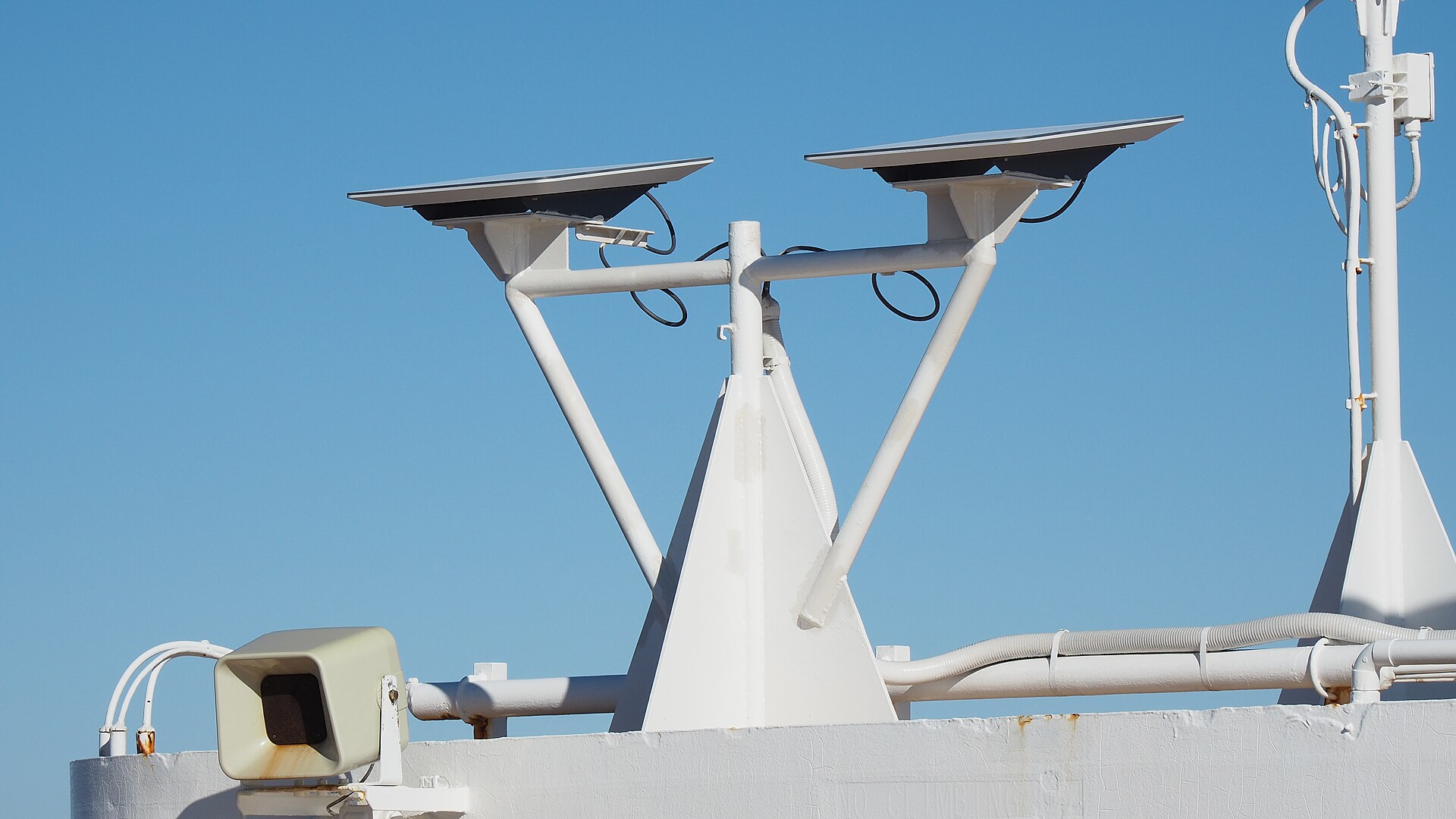
There are no cell towers in the middle of the Caribbean, so the ship brings one. Specialist companies fit cruise ships with their own small mobile network and link it to the outside world by satellite. A 2008 Telenor announcement about the ship network operator MCP described shipborne radio networks linking “the vessels with public networks via satellite.” Today the operator WMS says on its solutions page that it runs mobile networks “on over 200 cruise ships around the world,” now including 5G, and connects to satellite providers “including Starlink.”
Your phone roams on the ship as it would on a foreign network, and your carrier bills you. That’s why the cruise line doesn’t set the price, and why “international” features often don’t apply: T-Mobile’s help page says flatly that “Cruise ships are not covered by international data passes.”
Why the ship’s network switches off near land
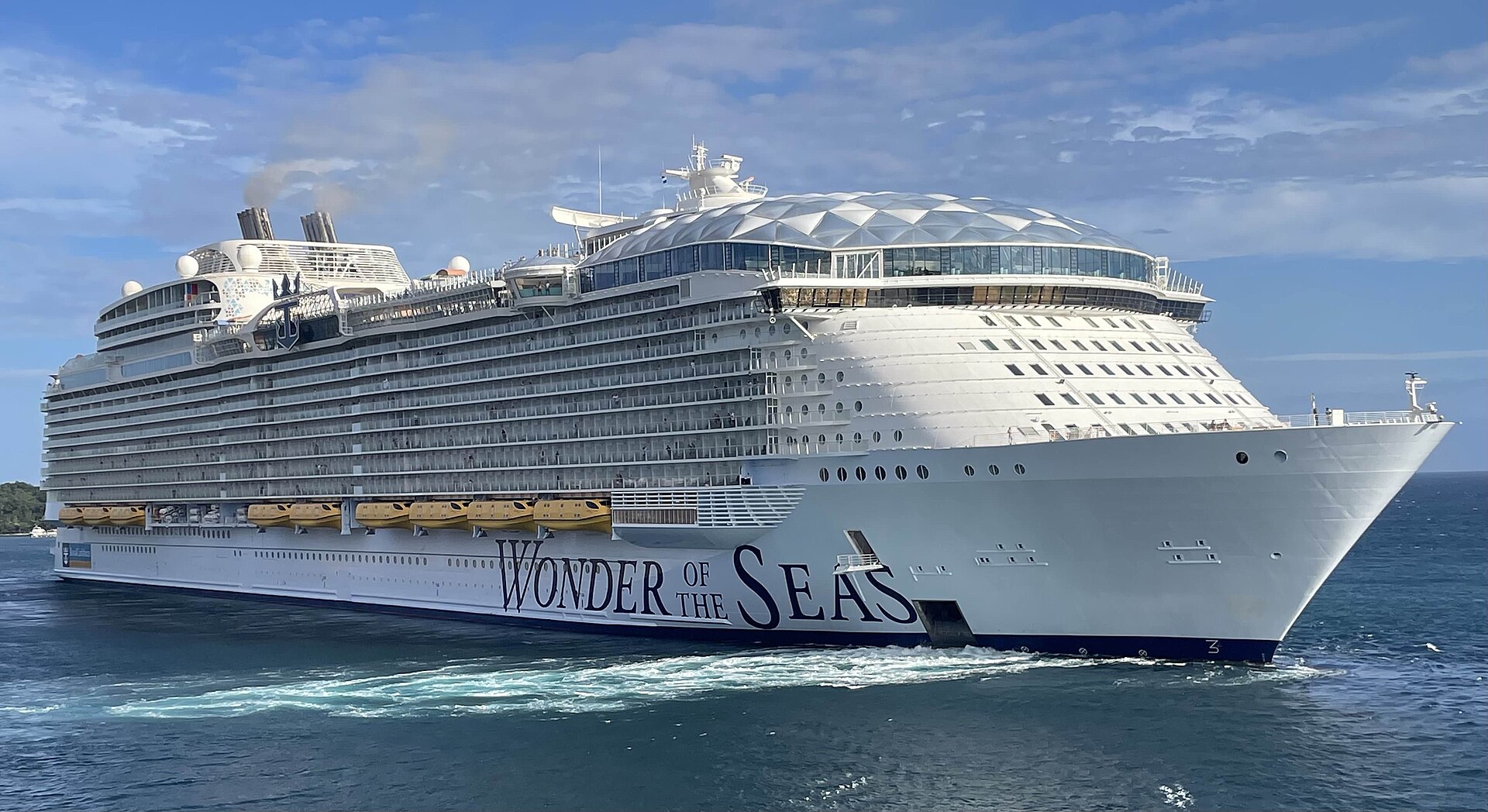
A ship’s cell network can interfere with the ones on shore. Europe’s telecoms regulators studied exactly this in ECC Report 122 (Vilnius, September 2008). They found that, without restrictions, a ship’s network operating inside a country’s territorial waters risked “unacceptable interference” with land networks. Their recommendation: between 2 and 12 nautical miles from shore, use only indoor antennas and other limits; otherwise the system “must be switched-off when entering the territorial sea at 12 NM from the baseline.”
The carriers’ own definitions differ. AT&T’s International Day Pass page says the ship network “is available only at sea, generally six or more nautical miles from land,” and “is off when not at sea.” Verizon’s travel plans page defines at sea as “12 miles or more from land.” Don’t plan around a number. Plan around your settings.
And one carrier warns the switch-off isn’t foolproof. T-Mobile tells customers to turn roaming off while the ship is docked in a U.S. port, because “your phone may pick up the ship’s network and you’ll be charged cruise ship roaming charges for any usage.” It adds that calls made while the ship is in port “can still connect the ship’s network.”
How Much Does It Cost to Use Your Phone on a Cruise?
Here are the three big U.S. carriers side by side. At sea and in port are different products, and buying the wrong one is how people get caught.
| Carrier | At sea (ship network) | In a foreign port (land network) | The catch |
|---|---|---|---|
| AT&T | International Day Pass: $20 per 24 hours per line. Unlimited talk and text, 500MB of best-available-speed data a day; after that, speeds “may be reduced to a maximum of 512Kbps on certain ships.” Over 400 ships. | Same pass: $12 per 24 hours on land, $6 for each extra line used the same day. A day that’s both sea and land is charged once, at $20. | “There are no discounts for additional lines used at sea.” Each phone pays $20 for each day it’s used at sea. Needs an eligible unlimited plan. |
| Verizon | Cruise Daily Pass: $20 per day per line. 0.5GB of high-speed data, then unlimited data “at 3G speeds,” plus unlimited calls to the U.S. and unlimited texts. Add it by texting CRUISE to 4004. | TravelPass: $12 a day in 210+ countries and destinations, $6 a day in Canada and Mexico, which are included with all Unlimited plans. | “TravelPass doesn’t work on cruise ships.” You’re charged when a session starts: using data, making or answering a call, or sending a text. |
| T-Mobile | No cruise pass. Pay per use at rates that vary by ship; look up yours on T-Mobile’s cruise page. Reported rates: $5.99 a minute and 50 cents per text sent, with no data on board. | Many plans include roaming in 215+ countries and destinations; check yours. | Passes don’t cover ships. Wi-Fi calls to non-U.S. numbers are billed at the cruise rate. |
Verizon’s own pages don’t quite agree: its cruise guide still lists “50 calling minutes,” while its plans page lists unlimited calls to the U.S. It also says that to use the pass’s data you must “turn WiFi OFF on your device.”
On a cruise with five sea days, that’s $100 a phone. If only one person in your cabin needs to be reachable, one pass on one phone may be enough.
How Do People End Up With a Huge Cruise Phone Bill?
Usually by assuming they were covered. Two documented cases show the two classic mistakes.
Mistake 1: trusting that “international” means “at sea.” In 2022, ABC7 in San Francisco reported on a California passenger who called Xfinity Mobile before a seven-day cruise to Puerto Vallarta, Mazatlan and Cabo and was told he was covered. Three days in, Xfinity texted that his bill had reached $3,700. By day six it was $6,000, and the final bill was $8,700. Xfinity wiped it only after the station’s consumer team got involved, explaining that “cruises are not covered under the global travel pass.”
Mistake 2: buying Wi-Fi but leaving airplane mode off. In January 2025, Cruise Radio and Cruise Mummy reported on a Royal Caribbean passenger (Cruise Radio names the ship as Mariner of the Seas) who came home to about $1,300 in phone charges despite having bought the ship’s Wi-Fi. The phone wasn’t in airplane mode, so background updates and a child’s video streaming ran over the ship’s cell network instead. According to both reports, Royal Caribbean declined to pay, saying guests are responsible for switching to airplane mode.
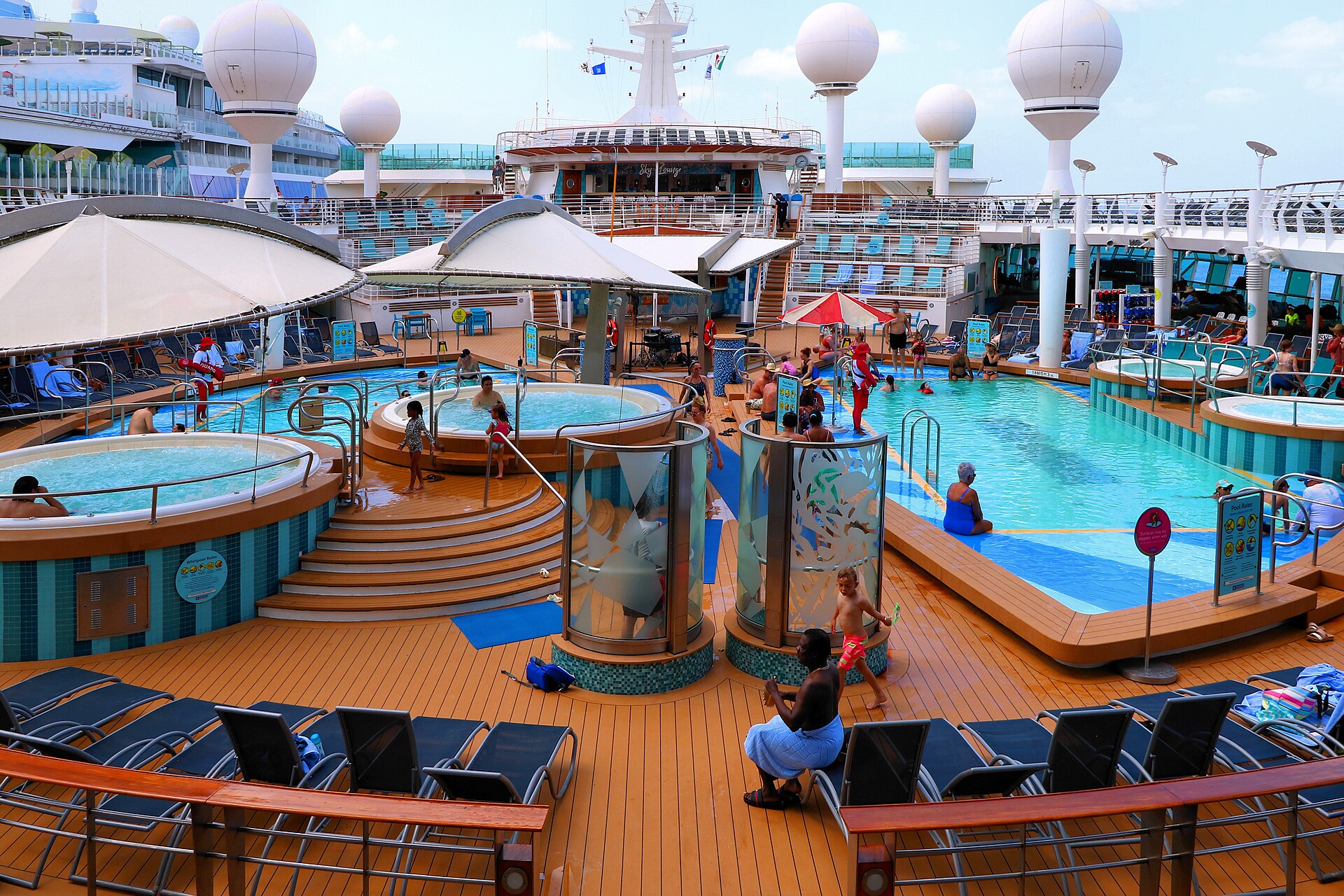
The lesson: Wi-Fi doesn’t stop your phone using the cell network, and a travel plan may not include ships. Only airplane mode, or a cruise pass bought on purpose, protects you.
Can I Use the Ship’s Wi-Fi Instead?
Yes, and for most people it’s the better deal. Expect roughly $20 to $40 per device per day. Here’s what the big four charge:
| Line | Price | Video calls (FaceTime, WhatsApp)? |
|---|---|---|
| Carnival | Social $20.40 a day pre-cruise ($22 on board); Value $23.80 ($26); Premium $25.50 ($28) | Premium only. Social excludes FaceTime; Premium allows “FaceTime, Zoom” where coverage allows. |
| Royal Caribbean (VOOM) | Priced per sailing; $28.99 to $38.70 a day on board across three ships in March 2026 | Yes: its FAQ says you can “video chat with family and friends using FaceTime or Skype.” |
| Norwegian | $29.99 per stateroom per day (Voyage Wi-Fi Pass); $39.99 with streaming; extra devices $14.99 a day | Check the package: streaming costs extra. |
| Princess | $27.99 a day pre-cruise for one device, $33.99 on board (sailings from October 13, 2026) | Not covered in the sources we checked. |
The Wi-Fi calling trap
Your phone’s built-in “Wi-Fi Calling” setting isn’t the same as FaceTime or WhatsApp, and ships often block it. Carnival’s internet page says it outright for every plan, Premium included: “Cellular-network-dependent Wi-Fi calling is not supported.” T-Mobile adds that Wi-Fi calls to non-U.S. numbers “are subject to the cruise ship rate.”
So if you need to talk to home over Wi-Fi, use an app (FaceTime, WhatsApp, Zoom) on a package that allows it. AT&T’s own advice for when you don’t plan to use your phone is to “put your phone in airplane mode, turn on Wi-Fi, and turn off Wi-Fi calling.”
Does My Phone Work in Port?
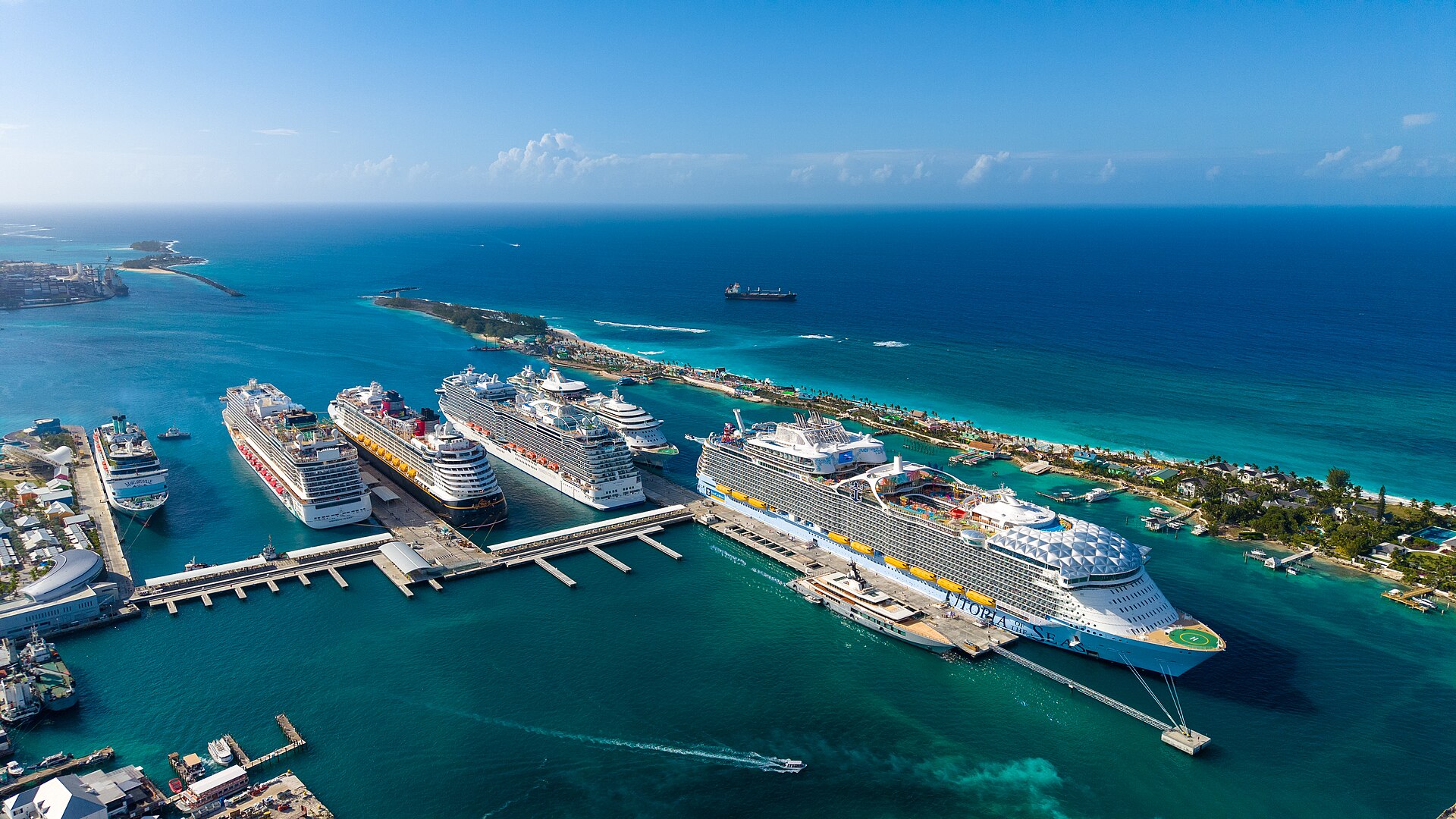
Yes, on the local network, just like any trip abroad. That’s a different product from the ship network. In Nassau or Cozumel, AT&T charges its $12 land rate, Verizon’s TravelPass covers you for $12 a day, or $6 in Canada and Mexico (included with all Verizon Unlimited plans), and many T-Mobile plans include roaming in the country you’re visiting. If you’re on a closed-loop cruise from the U.S., U.S. ports such as Juneau are normally covered by your everyday plan. Our guides to Bahamas and Mexico cruises cover the other paperwork for those ports.
Watch the changeover. An AT&T day that includes both sea and land is charged at the $20 sea rate. And with Verizon, a session starts when you send a single text, so one “we’re back on board!” message sent once the ship is out at sea can open a fresh $20 day.
Your Phone Checklist, From Packing to Disembarkation
- A week before: call or check your carrier’s app. Ask the exact question: “Does my plan cover me on the ship at sea?” Not “abroad.” Not “internationally.” If you want a cruise pass, add it now (Verizon: text CRUISE to 4004).
- Pre-book Wi-Fi if you want it. It’s cheaper before you sail on Carnival and Princess. Download your cruise line’s app, offline maps and anything you want to watch at home, not on the ship’s connection.
- Turn off automatic updates and background data. Carnival suggests this for faster speeds, and it’s what ran up the $1,300 bill.
- At sailaway: airplane mode on, then Wi-Fi back on. Turning off Data Roaming alone isn’t enough, because it only stops data. On an iPhone, Apple’s roaming guide puts it under Settings > Cellular > Cellular Data Options > Data Roaming, but calls and texts can still roam. Airplane mode stops all three. Turn off Wi-Fi Calling too.
- In a foreign port: switch airplane mode off only if your land plan covers that country, then back on before the ship sails.
- Check your carrier’s app over the ship’s Wi-Fi midway through. A surprise charge is easier to dispute on day three than at home.
Quick Answers
Will my phone work on a cruise ship at sea?
Yes. Most big ships carry their own cell network, and your phone roams on it. But it isn’t part of your normal plan, so you pay your carrier’s cruise rates: about $20 a day for an AT&T or Verizon cruise pass, or per minute and per text without one.
Should I put my phone on airplane mode on a cruise?
Yes, unless you’ve bought a cruise pass. Airplane mode stops calls, texts and data using the ship’s cell network. You can then turn Wi-Fi back on and use the ship’s Wi-Fi or free cruise line app without roaming charges.
Does Verizon TravelPass work on a cruise ship?
No. Verizon says TravelPass doesn’t work on cruise ships. At sea you need its Cruise Daily Pass, $20 per day per line. TravelPass covers you on land in port, at $12 a day, or $6 in Canada and Mexico.
Can I use Wi-Fi calling on a cruise ship?
Often not. Carnival says carrier Wi-Fi calling isn’t supported on any of its plans, and T-Mobile bills Wi-Fi calls to non-U.S. numbers at the cruise rate. Use FaceTime or WhatsApp over a Wi-Fi package that allows video calls instead.
The Bottom Line
Your phone will happily work on a cruise ship. The question is whether you want it to. Decide before you sail: a $20-a-day carrier pass if you need your own number, a Wi-Fi package if you just want messages and video calls, or nothing at all. Then put the phone in airplane mode at sailaway and leave it there. The ship’s network doesn’t care that you bought Wi-Fi, and your carrier’s “international” plan may not include the ocean.
Cruise Chaos earns nothing from cruise lines, phone carriers, eSIM sellers or booking links. Every fact in this guide links to where we read it, using AT&T’s, Verizon’s, T-Mobile’s and the cruise lines’ own pages wherever they publish one, checked on October 17, 2026. Carrier prices and Wi-Fi plans change often and vary by ship, so confirm yours before you sail. If something has changed, tell us and we’ll correct it.
Coming up on Cruise Chaos: what to wear on a cruise. Day clothes, evening dress codes and what each big line actually allows in the dining room, line by line.
🎁 Get our free Cruise Survival Kit. Join the Cruise Chaos crew and we’ll email you our printable packing checklist and money-saving cheat sheet right away, plus the week’s best cruise stories and verified deals every Friday. Send me the free kit →
Keep Reading
- Can You Bring Starlink on a Cruise?
- How Much Spending Money for a Cruise?
- What Is Free on a Cruise Ship?
Sources
- AT&T: International Day Pass and international roaming support article
- Verizon: International travel plans, Cruise and in-flight and How to stay in contact on a cruise ship
- T-Mobile: International roaming checklist, International roaming services and International roaming plans for cruises
- CEPT Electronic Communications Committee: ECC Report 122, GSM onboard vessels (Vilnius, September 2008)
- WMS: Solutions and Telenor: Mobile networks on cruiseships (January 2, 2008)
- Royal Caribbean: Will my phone work onboard? and VOOM internet FAQ
- Carnival Cruise Line: Internet Plans and Norwegian Cruise Line: Wi-Fi packages FAQ
- Apple: About cellular data roaming options for your iPhone and iPad
- ABC7 News: Cruise passenger hit with huge wireless bill, even after checking with provider Xfinity (Randall Yip, June 1, 2022)
- Cruise Radio: Cruise passenger hits $1,300 phone bill after failing to turn on airplane mode (Andrea Santillan, January 8, 2025) and Cruise Mummy: Royal Caribbean passenger faces $1,300 cell phone bill (January 2025)
- Cruise Fever: Cell phone plans on a cruise ship, comparing AT&T, Verizon and T-Mobile (J. Souza, April 19, 2026) and The Points Guy: Can you use your cellphone on a cruise? (Zachary Laks, July 22, 2022)
- Wi-Fi prices: Cruise.Blog: Royal Caribbean internet package guide (March 2026), Cruise Hive: Princess Cruises hikes package prices and shakes up WiFi plans and Cruise Mummy