
How we work: facts are checked against original sources and linked, cruise prices are verified on the cruise line’s own website the day we publish, and we earn no commissions. Spotted a mistake? Tell us and we will correct it.
Off Kauai on February 10, 2026, Emerald Princess was rolling in a big swell, waiting to go into Nawiliwili Harbor. A small boat came alongside, and a man stepped onto a rope ladder hanging down the side of the ship.
He tried more than once. Then he slipped and fell into the sea, a drop passengers put at 10 to 20 feet. “Man Overboard” was called on the ship. The crew of the small boat hauled him out within minutes, and Kauai Now reported that he did not appear to be injured. The ship cancelled Kauai and sailed on to Maui.
The man on the ladder wasn’t a passenger or one of the ship’s crew. He was the harbor pilot, and without him the ship wasn’t going into port.
Here’s the short answer. Cruise ships need a pilot because the law says so. In the United States, every foreign-flag ship (which covers nearly every big cruise ship) must take a state-licensed pilot in a state’s waters, and Canada, the UK, Australia and the Panama Canal have their own versions of the rule. The reason behind the law is local knowledge. A captain knows the ship, but a pilot knows one harbor’s shoals, currents, traffic and tugs in detail, and has no commercial pressure to take a risk.
Why Do Cruise Ships Need a Pilot?
The main reason is that it’s the law. In the U.S., federal law hands the job to the states: 46 U.S.C. § 8501 says pilots in “the bays, rivers, harbors, and ports of the United States shall be regulated only in conformity with the laws of the States.” The states have used that power for a long time. According to the American Pilots’ Association, “every foreign-flag vessel and every United States-flag vessel engaged in international trade moving in the waters of a state is required by the state to take a pilot licensed by the state.”
Big cruise ships sailing from American ports are usually registered abroad. Both ships in the accident reports below were: Norwegian Epic flies the flag of the Bahamas and Carnival Pride the flag of Panama, according to the NTSB. That makes them foreign-flag ships under the state rule. (U.S.-registered ships in domestic coastal trade come under a separate federal pilotage rule, 46 U.S.C. § 8502.)
Why have the law at all? There are three reasons.
- Local knowledge. A cruise captain calls at dozens of different harbors. A pilot is licensed for one area and learns it in depth. Alaska’s licences, for example, name the specific waterways and ports each pilot may work in. British Columbia’s coast pilots, who handle the Inside Passage on Alaska cruises, have to pass a local knowledge test in which, one pilot told Capital Daily, they must “draw the coast (from memory), and…name every single shoal under 20 metres.”
- Independence. A pilot doesn’t work for the cruise line. Alaska’s law goes as far as saying a licensed pilot “may not be employed as an employee of the owner or operator” of the ship. The APA explains why pilots don’t compete for business either: “Pilots are expected to exercise independent professional judgment, which they would not be able to do if they had to compete for business.” If the schedule says one thing and the harbor says another, the pilot has no reason to side with the schedule.
- The local system. The pilot knows the local tug crews, the port’s radio conventions and the harbor’s own rules. In San Juan, as you’ll see below, the pilot gave the tugs their orders in Spanish.
Becoming a pilot takes years. The APA says a typical U.S. state pilot either comes from extensive deep-sea or tug experience or goes through “a lengthy (four to seven years) apprenticeship program.” Alaska requires three years as a deputy pilot before a full licence. In British Columbia, new pilots then spend six years working up through vessel sizes before they take the largest container and passenger ships.
So Who’s Actually in Charge: the Captain or the Pilot?
This is where it gets interesting. In most of the world, the pilot directs the navigation but the captain stays in command. The APA describes the U.S. rule this way: the pilot “directs the navigation of the ship, subject to the master’s overall command of the ship and the ultimate responsibility for its safety.” Australia’s regulator, AMSA, puts it more bluntly: “Masters are not relieved of overall responsibility for the safe operation of a vessel due to the presence of a pilot onboard.”
British law puts the same idea in writing. Section 16 of the Pilotage Act 1987 says:
“The fact that a ship is being navigated in an area and in circumstances in which pilotage is compulsory for it shall not affect any liability of the owner or master of the ship for any loss or damage caused by the ship or by the manner in which it is navigated.”
In plain English, having a pilot aboard doesn’t move the blame. Alaska’s statute works the same way: the pilot’s own liability is capped at $250,000 per incident (unless there’s gross negligence or wilful misconduct), and the ship and its owner can’t escape a claim because a pilot was steering.
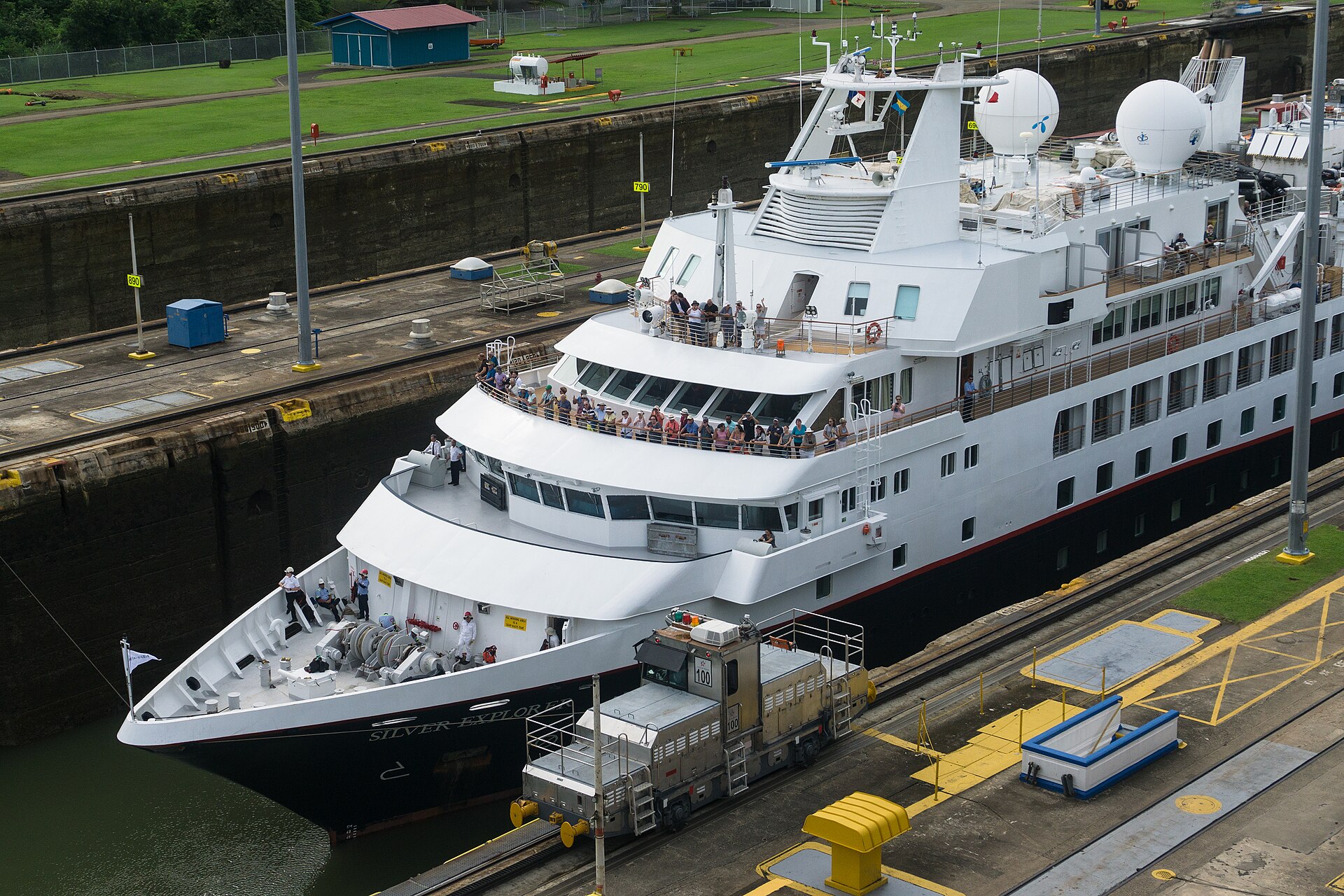
The big exception is the Panama Canal. There the pilot is in charge, and it’s written down. Article 99 of the Canal Authority’s navigation regulations says: “The Canal pilot assigned to a vessel shall have control of the navigation and movement of the vessel.” The ship’s crew stays responsible for running the ship and carrying out the pilot’s orders. The Authority has told masters directly that its pilots “are in control of the navigation and are not in advisory capacity.”
The Cruise Ship Twist: The Captain Often Parks It
Here’s something most guides leave out. On a cargo ship, the pilot usually brings the ship all the way alongside. Cruise ships often do it differently, and two federal accident reports show how.
Baltimore, May 8, 2016. Carnival Pride was coming home from a week in Florida and the Bahamas. A Maryland pilot boarded at the mouth of Chesapeake Bay, and a second pilot relieved him at about 4 a.m. for the run up to Baltimore. After the turn into the Ferry Bar Channel, the pilot handed the conn (control of the ship’s movements) to the staff captain, who replied, “Perfect. I have the conn.” The NTSB explains why: “by mutual agreement between the Association of Maryland Pilots and the passenger vessels berthing at the cruise ship terminal,” the ship’s own officer takes over for the final approach, and the pilot becomes an adviser. That morning the approach went wrong. The bow hit the pier and an elevated passenger walkway, which collapsed onto three vehicles parked underneath. Nobody was hurt, and the damage came to nearly $2.1 million. The NTSB blamed the staff captain’s approach “with excessive speed and at too steep of an angle” and the captain’s “insufficient oversight.”
San Juan, February 12, 2019. The San Juan pilot boarded Norwegian Epic about 5.5 miles from the harbor entrance. The ship was running with one propeller shaft locked. Pilot and master agreed that the pilot would take the ship near the berth and the master would dock it. The NTSB noted that this was “customary with all cruise ships in the San Juan port.” Two tugs were ordered. What nobody settled was who would give the tugs their orders. The pilot gave them in Spanish over his handheld radio, the master used gestures, and at one point the tugs and the ship’s thrusters were working against each other. Epic’s bow hit two mooring dolphins, causing an estimated $3.5 million of damage to the pier and $200,000 to the ship. No one was hurt. The probable cause, in the NTSB’s words, was “a lack of communication and coordination between the master and pilot.”
Neither accident means the pilot system failed. The point of the system is that two experts share one bridge: the captain who knows the ship and the pilot who knows the harbor. What these two reports show is how much depends on agreeing, before the ship reaches the pier, on who gives which orders. In Baltimore the handover itself went smoothly and the ship’s own officer made the errors. In San Juan the handover plan left a gap.
Where Does Your Cruise Have to Take a Pilot? Six Rulebooks Compared
We read the actual rules for six places cruise passengers go most. The details differ, but every one of them requires a pilot.
| Where | Who must take a pilot | Who’s in control | The detail worth knowing |
|---|---|---|---|
| U.S. ports | Every foreign-flag vessel, and U.S. ships in international trade | Pilot directs navigation, “subject to the master’s overall command” | Regulated by each state under 46 U.S.C. § 8501. At cruise terminals the captain often docks the ship |
| Alaska | Vessels covered by the state pilot law in “mandatory pilotage water” (AS 08.62.160) | Pilot, under the master’s command | Pilots can’t be the ship owner’s employees. Personal liability capped at $250,000 per incident |
| British Columbia (Vancouver, Victoria, Inside Passage) | Every non-pleasure ship over 350 gross tonnage | Pilot has “the navigation conduct” of the ship | About 120 contracted coast pilots handled most of 13,424 assignments in 2023 |
| United Kingdom | Wherever a harbour authority has issued a pilotage direction | Pilot, but owner and master keep full liability (s.16) | A ship’s deck officer can earn a pilotage exemption certificate for a harbour (s.8) |
| Panama Canal | Everyone: “Pilotage is compulsory in Canal waters” (Art. 98) | The pilot has “control of the navigation and movement of the vessel” (Art. 99) | Pilotage for a normal transit is included in the tolls (Art. 104) |
| Great Barrier Reef | Ships of 70 metres or more in named areas, including the Whitsundays and the Inner Route | Pilot, but “masters are not relieved of overall responsibility” | Applies to coastal passages, not just harbors. Significant penalties for sailing without one |
The Canadian row matters to more cruisers than you might think. A round-trip Alaska cruise from Seattle or Vancouver spends a lot of its time in British Columbia’s waters, and the B.C. pilots run what one of them called “the biggest pilotage district in the world, with 15,000 miles of coast line.” Canada’s Auditor General defines a pilot as “a person who does not belong to a ship and who has the navigation conduct of it.”
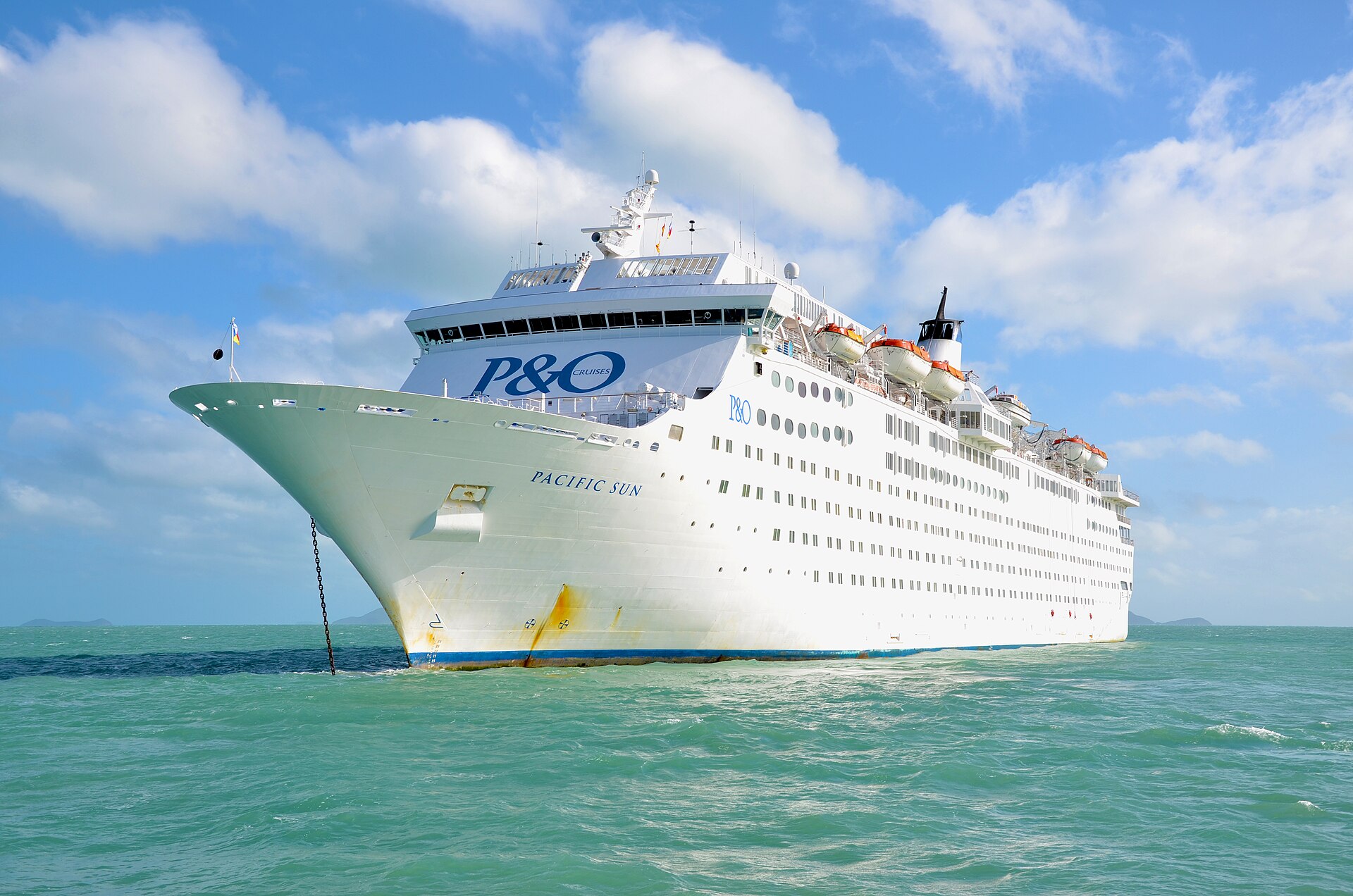
How Does the Pilot Get On the Ship?
They climb aboard, usually while the ship is still moving. A pilot boat meets the ship offshore, matches its speed, and comes alongside. The pilot steps across to a rope ladder with wooden steps and climbs up to a door in the hull or to the deck. Leaving works the same way in reverse: B.C.’s pilots, Capital Daily reported, “descend from the deck and step nonchalantly onto the launch.”
The climb has a legal limit. The International Maritime Organization’s performance standards for pilot transfers say the climb must be “not less than 1.5 m and not more than 9 m” from the water to the point of access. If it’s higher than 9 metres, the ship has to rig an accommodation ladder (a sloping gangway down its side) together with the pilot ladder. The American Bureau of Shipping’s summary gives the same numbers.
The ladders are the weak point. Every year the International Maritime Pilots’ Association asks its members to report every transfer they make over a set period. Its 2025 campaign collected 5,285 reports from more than 940 pilots and found 14% of transfers were non-compliant, with pilot ladders “the leading source of non-compliant observations.” And 85% of the non-compliant cases were never reported to port state authorities. MaritimeCyprus summarised the same results.
Cruise ships did better than most. In IMPA’s ship-type table, 19 of the 201 cruise ship transfers reported were non-compliant, a rate of about 10%. For comparison, the rate was 16% for bulk carriers, 18% for general cargo ships and 22% for ro-pax ferries. Better than most still isn’t perfect.
The rules are getting tighter. On June 26, 2025, the IMO adopted amendments to SOLAS regulation V/23 (resolution MSC.572(110)). From January 1, 2028, new pilot transfer equipment must meet the new standards. Existing equipment must comply by its first survey on or after January 1, 2029, and the inspection and maintenance rules apply to all ships from 2028, according to DNV.
Can a Missing Pilot Cancel Your Port Day?
Yes. And since the pilot is required by law, the captain can’t simply go in without one.
Kauai is the rough-weather version. A high surf advisory was in force for Kauai’s east-facing shores, with breaking waves of 7 to 10 feet, Kauai Now reported. When conditions make boarding too dangerous, the port call goes.
The other version is simply not having a pilot available. In June 2026, Carnival Splendor was on a four-night sailing from Sydney with a single port of call, Moreton Island in Queensland. Carnival told guests that “our pilotage provider has advised us that they will not be able to provide us with a pilot in time tomorrow, due to unexpected circumstances,” Cruise Mummy and Cruise Hive both reported. With no pilot there was no Moreton Bay, and the cruise went nowhere. Guests got A$100 onboard credit per stateroom, and shore excursions booked through Carnival were refunded.
That A$100 was a goodwill gesture, not something the contract required. Cruise ticket contracts generally let the line skip ports for safety or operational reasons, and we went through what you are and aren’t owed in our guide to skipped ports.
How to Spot the Pilot on Your Next Cruise
Watching the pilot come aboard is free entertainment, and knowing what’s happening tells you something about your day.
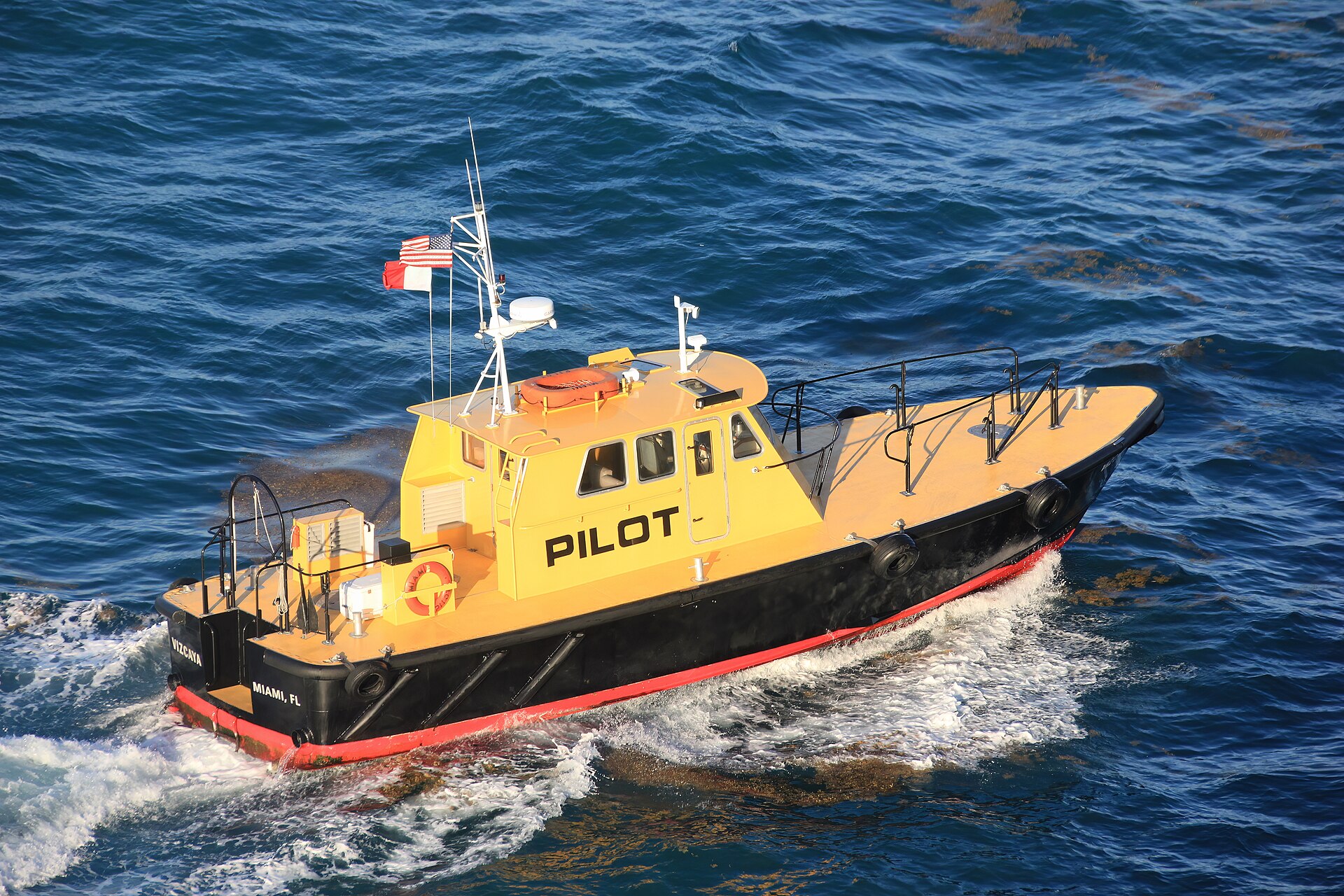
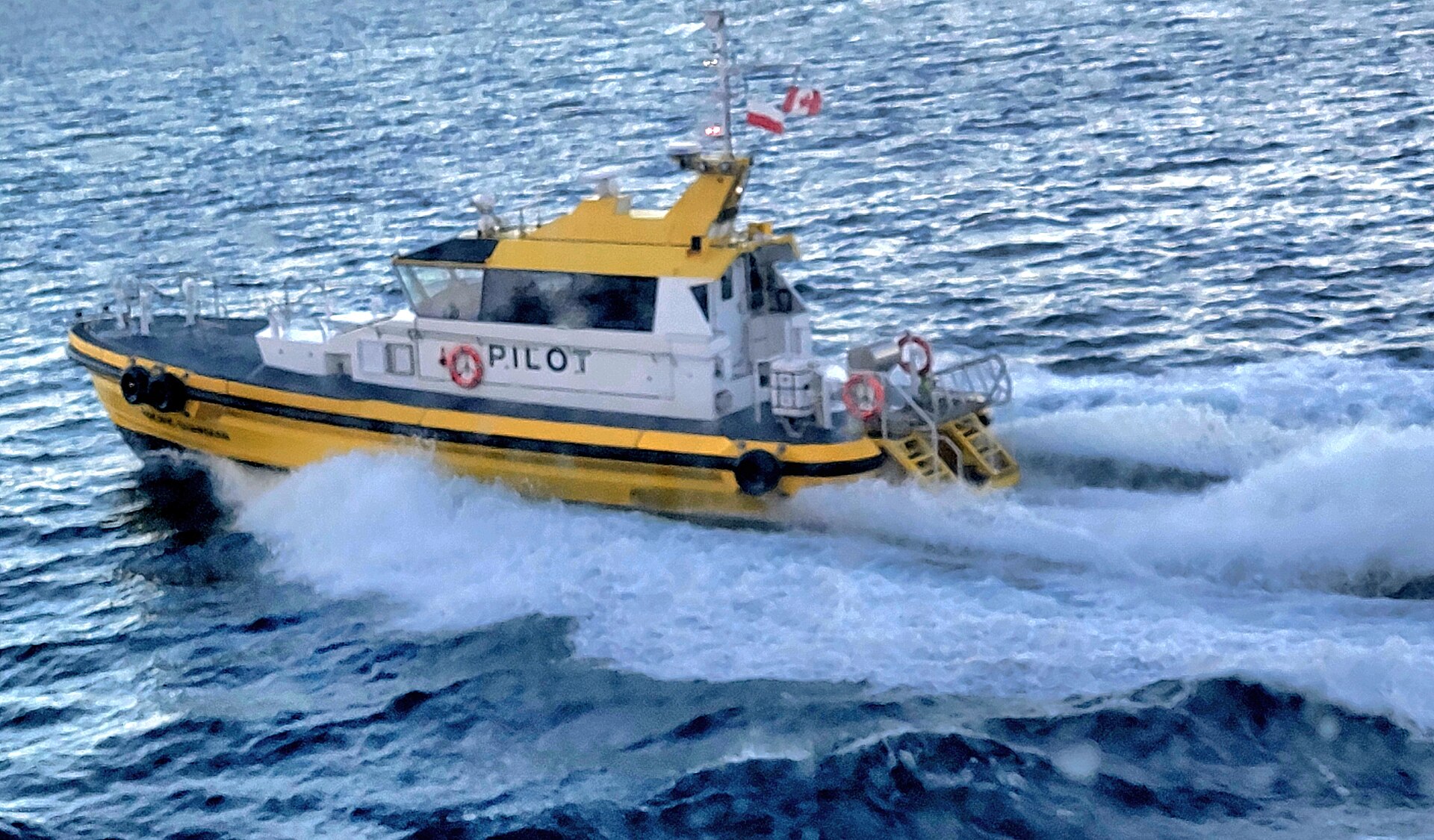
- Be on deck early on arrival mornings. The pilot boards well before the port. At San Juan, it was 5.5 miles out. Look for a small, fast, brightly painted boat with “PILOT” in big letters on the side, like the ones pictured here.
- Watch the mast for the flag. Under the International Code of Signals, the red-and-white flag “H” means “I have a pilot on board,” and the yellow-and-blue striped “G” means “I require a pilot” (also listed by the Australian National Botanic Gardens’ flags reference).
- Treat rough-weather arrivals as uncertain. If the ship is rolling at the harbor mouth, the pilot has to climb a ladder on the side of it. If the pilot can’t board safely, you don’t go in. Don’t book anything in that port that you can’t cancel.
- Book ship excursions for tender and tight ports. When a call is cancelled, excursions booked through the line are refunded automatically, as Carnival Splendor’s guests found. With an independent operator, a refund depends on their terms.
- Pad your plans on one-port cruises. A short sailing with a single port of call has no backup. If the pilot can’t come, as on Carnival Splendor, the whole itinerary becomes sea days. Choose one of those cruises for the ship itself, not for the port.
Quick Answers
Does the captain hand control of the ship to the pilot?
Partly. In U.S. ports the pilot directs the navigation, but the captain keeps overall command and responsibility for the ship. At many cruise terminals the ship’s own officers take back the conn for docking. The Panama Canal is the exception, where the pilot has control of the ship’s navigation and movement.
Is a pilot required for every cruise ship?
For the big ones, almost always. U.S. states require a state pilot on every foreign-flag ship, British Columbia requires one on non-pleasure ships over 350 gross tonnage, the Great Barrier Reef requires one on ships of 70 metres or more in named areas, and pilotage is compulsory in the Panama Canal.
How does a pilot get on and off a cruise ship?
By pilot boat and ladder. The boat comes alongside the moving ship, and the pilot climbs a rope pilot ladder to a hull door or the deck. International rules cap the climb at 9 metres. Above that, the ship must add an accommodation ladder.
Who pays for the pilot?
The ship does. In Alaska, pilot organizations adopt and publish their rates, and ship owners or masters can object to the state board. In the Panama Canal, pilotage for a normal transit is included in the tolls.
Can a cruise skip a port because there’s no pilot?
Yes. Emerald Princess cancelled Kauai in February 2026 after the pilot fell from the ladder in rough seas, and Carnival Splendor missed Moreton Island in June 2026 when its pilotage provider couldn’t supply a pilot in time.
The Bottom Line
Your captain can take a ship certified for more than 5,000 passengers across an ocean. The last few miles into port, though, are done with a local expert on the bridge, because the law requires it and because nobody knows one harbor the way a pilot does.
The pilot doesn’t work for the cruise line and gains nothing by rushing, and in most places the captain stays in command. The system works because two professionals check each other. When they don’t agree on who gives the orders, you end up with $3.5 million of damage to a San Juan pier. And when the pilot can’t get up the ladder, you get Maui a day early.
Cruise Chaos earns nothing from cruise lines, pilot associations or booking links. Every rule above links to where we read it. If something has changed since we checked, tell us and we’ll correct it.
Coming up on Cruise Chaos: can you bring vapes on a cruise? We’ll read every big line’s rule, from what you can pack to where on the ship you can use it.
🎁 Get our free Cruise Survival Kit. Join the Cruise Chaos crew and we’ll email you our printable packing checklist and money-saving cheat sheet right away, plus the week’s best cruise stories and verified deals every Friday. Send me the free kit →
Keep Reading
- What Happens When a Cruise Ship Skips a Port? Here’s What You’re Actually Owed
- Snap, Drift, Crunch: Why Cruise Ships Keep Breaking Free From the Dock
- Cairns Spent A$127 Million to Fit Bigger Cruise Ships. Then the Mud Came Back.
Sources
- 46 U.S.C. § 8501: State pilotage regulation and § 8502: Federal pilots required (Cornell LII)
- American Pilots’ Association: Pilotage in the U.S.
- State of Alaska: Statutes and Regulations, Marine Pilots (AS 08.62)
- Auditor General of Canada: Special Examination of the Pacific Pilotage Authority (2024)
- Capital Daily: Meet the BC coast pilots guiding ships into Victoria Harbour
- Pilotage Act 1987, section 16 and section 8 (legislation.gov.uk)
- Panama Canal Authority: Agreement No. 360, Regulation on Navigation in Canal Waters (Articles 98, 99, 104)
- SAFETY4SEA: Panama Canal pilotage requirements and pilots’ training
- AMSA: Navigation through the Great Barrier Reef and Torres Strait
- Steamship Mutual: Coastal Pilotage, Great Barrier Reef and Torres Strait (Risk Alert 95)
- NTSB MAB-17/06: Allision of Passenger Vessel Carnival Pride with Pier and Passenger Walkway
- NTSB MAB-20/04: Contact of Cruise Ship Norwegian Epic with San Juan Cruise Port Pier 3
- IMO resolution MSC.576(110): Performance standards for pilot transfer arrangements and MSC.572(110): Amendments to SOLAS regulation V/23 (hosted by IMPA)
- American Bureau of Shipping: SOLAS Pilot Transfer Arrangements
- DNV: IMO Maritime Safety Committee (MSC 110)
- IMPA: Safety Campaign 2025 results
- MaritimeCyprus: IMPA Safety Campaign 2025, a stark reminder on pilot transfer safety
- The Maritime Executive: Pilot Falls into Ocean off Hawaii Attempting to Board Princess Cruise Ship
- Kauai Now: Harbor pilot slips, falls into rough waters
- Cruise Mummy: Carnival Ship Forced To Skip Only Port Of Call Due To Lack Of Pilot
- Cruise Hive: Without a Pilot, Carnival Splendor Becomes an Unplanned Cruise to Nowhere
- Wikipedia: International maritime signal flags and Australian National Botanic Gardens: Meanings of International Maritime Signal Flags
You May Also Like
 Do You Need a Passport for a Cruise? Every Itinerary Checked, From Alaska to Europe
 What Happens When a Cruise Ship Skips a Port? Here’s What You’re Actually Owed
 What Happens If Your Cruise Is Cancelled Due to a Hurricane? Refunds, Credits and the Fine Print
 An $80 Million Cruise Dock, a 13-Hour Fire, and No Working Hydrant