
How we work: facts are checked against original sources and linked, cruise prices are verified on the cruise line’s own website the day we publish, and we earn no commissions. Spotted a mistake? Tell us and we will correct it.
For years, spotting a scam email was the easy part.
It said “Dear valued guest.” It had no booking number. It came from an address that looked like a cat had walked across the keyboard. You deleted it and went back to planning which sea day you’d spend in the hot tub.
Then, on Saturday, October 10, 2026, Norwegian Cruise Line guests started opening emails that knew their names, their ship, their sailing date and their booking number. Some also knew how much they’d paid. And every one of them wanted the same thing: a quick “security authentication” of the credit card on file.
The emails weren’t from Norwegian. By Monday, the line had put a warning banner across the top of its own website.
What Happened
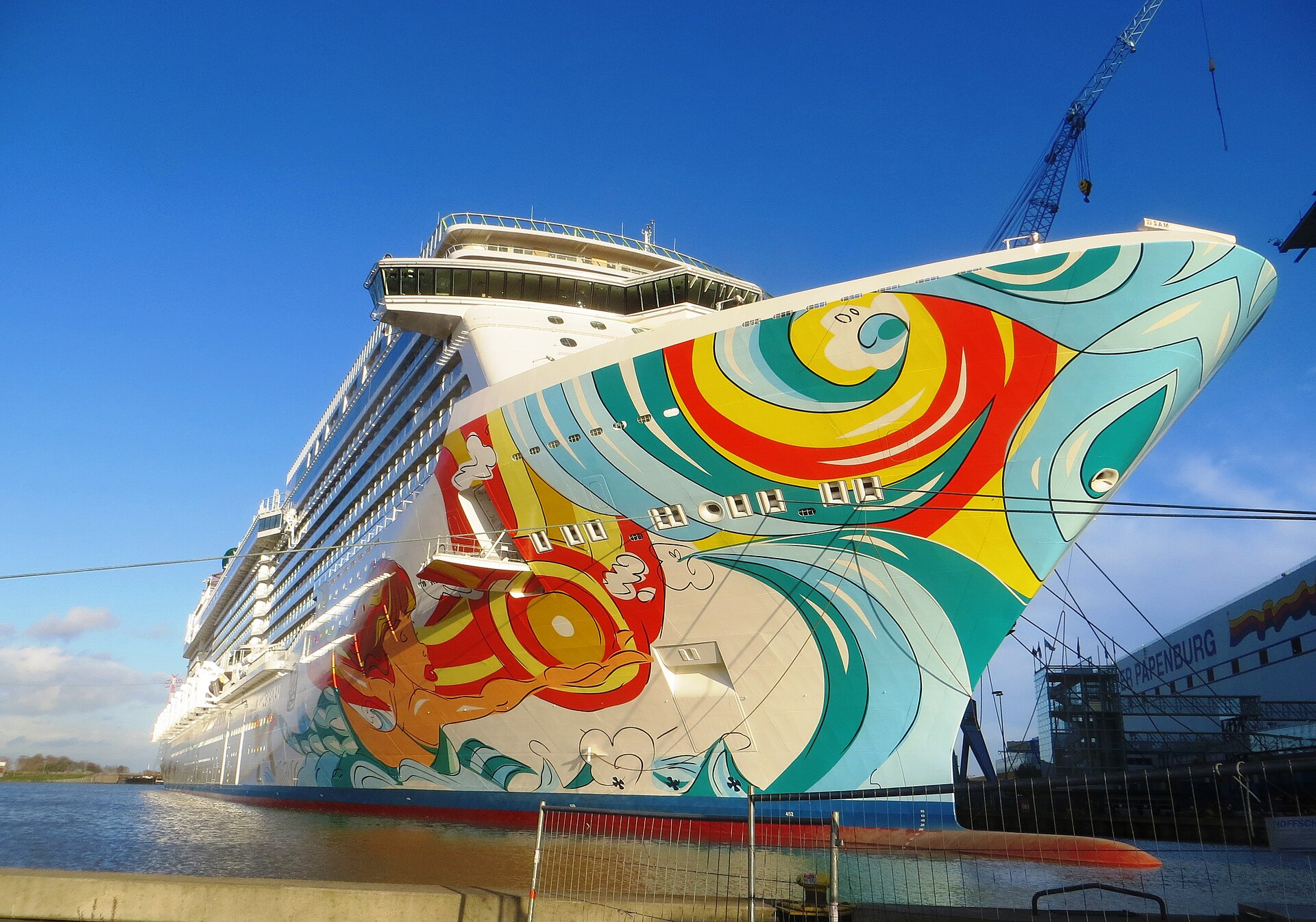
Passengers began posting about the emails on Reddit’s r/NCL forum on October 10, according to both Cruise Hive and TheTravel. The messages pretended to come from Norwegian and asked guests to click a link to verify a payment card, complete a security check or finish check-in.
🎁 Free: the Cruise Survival Kit
A printable packing checklist and a money-saving cheat sheet, sent to your inbox straight away. Plus the week's best cruise stories and verified deals every Friday.
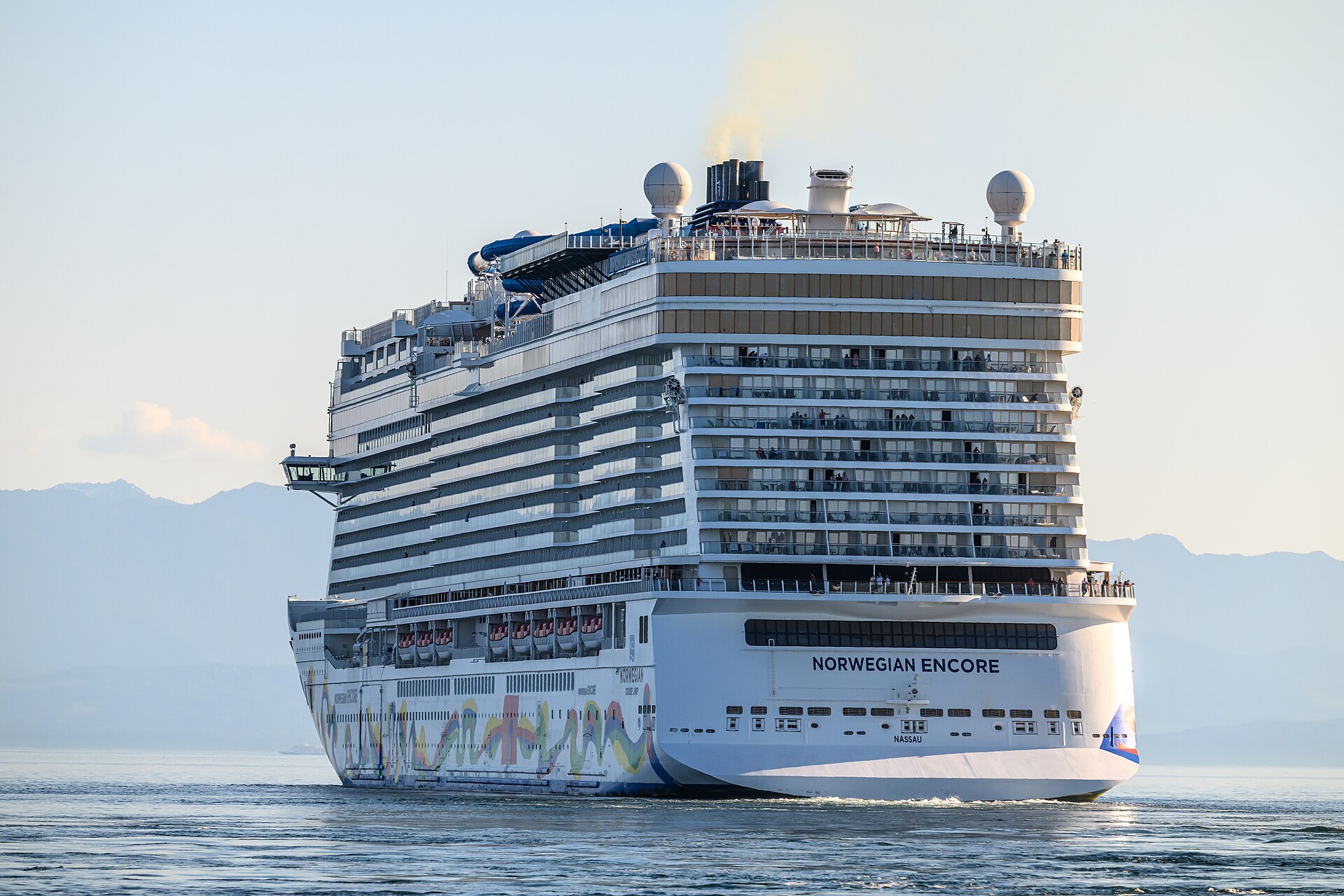
Send me the free kit →What made people stop and stare was the detail. Both outlets report that the emails carried guests’ real names, ships, departure dates and booking numbers. A Norwegian Encore passenger said theirs included the full booking, down to the amount paid, Cruise Hive reported. TheTravel says some emails also named family members and confirmed that the reservation was already paid.
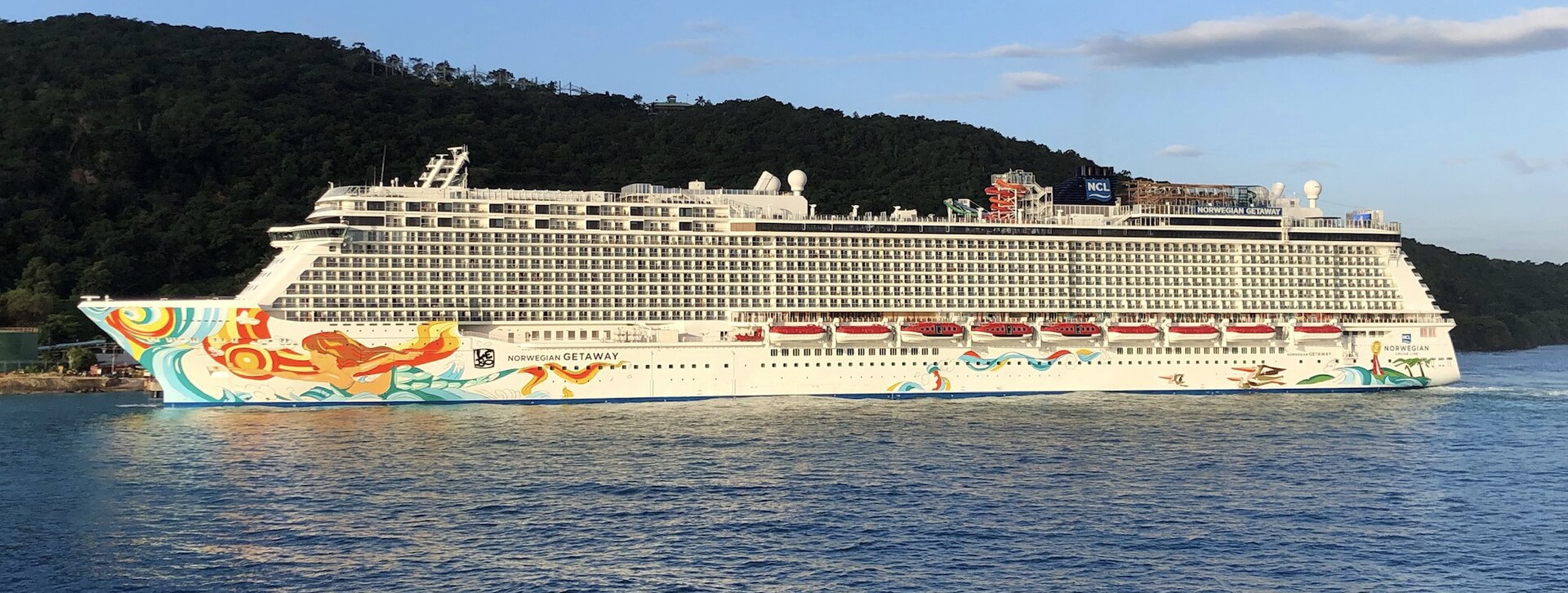
One passenger booked on Norwegian Getaway for October 12 said they had received at least six of these emails on October 10. Both outlets report that figure. The same passenger asked the question everyone else was asking: how did these people get the family’s private booking information?
The wording was calm and corporate. According to a screenshot Cruise Hive quoted, one email said Norwegian “requires a single security authentication for the card on file for your Norwegian Getaway reservation,” then reassured the reader: “This is a security measure, not a request for payment.” Some emails added the classic pressure: act soon, or the booking could be cancelled.
That’s the oldest trick in the book wearing a much better suit. One Reddit user called it “the most legitimate looking scam email” they’d ever seen, with no typos, good graphics and well-timed delivery, Cruise Radio reported. Another said the fake arrived on the same morning as their real check-in email from Norwegian.
It didn’t fool everyone, but it fooled some people. One passenger said they had entered their card details. Their bank blocked the charge and cancelled the card, according to TheTravel.
What Norwegian Actually Said
News write-ups have quoted Norwegian’s warning in several slightly different versions, possibly because the wording changed as the story moved. So we went to the source. Here is the “Important Guest Advisory” in full, exactly as it appeared on ncl.com when we checked on October 12, 2026:
“We are investigating reports of fraudulent emails claiming to be from Norwegian Cruise Line. We advise guests not to click links, respond to these emails, or provide personal or payment information. Norwegian Cruise Line emails come from @ncl.com, @e.ncl.com or @nclcorp.com. For reservation questions, contact your travel advisor or call 866.234.7350. For numbers outside the United States, visit ncl.com/contact-us.”
Note the three real sending domains. Cruise Hive’s report lists only two, @ncl.com and @nclcorp.com, while Cruise Radio’s matches the banner. The full list on Norwegian’s own site is the one to trust.
Norwegian has also written to travel advisors to say it is “actively investigating the matter,” and it plans to pass the warning on to guests sailing in the next 30 days, Cruise Hive reported.
What Norwegian hasn’t said is how the scammers got the booking details. Cruise Hive, Cruise Radio and TheTravel all report that the source is unknown. Some passengers suspect a data breach. TheTravel mentions the possibility that the information came through a third-party company involved in bookings. Neither has been confirmed, and we’re not going to guess. If Norwegian says more, we’ll update this story.
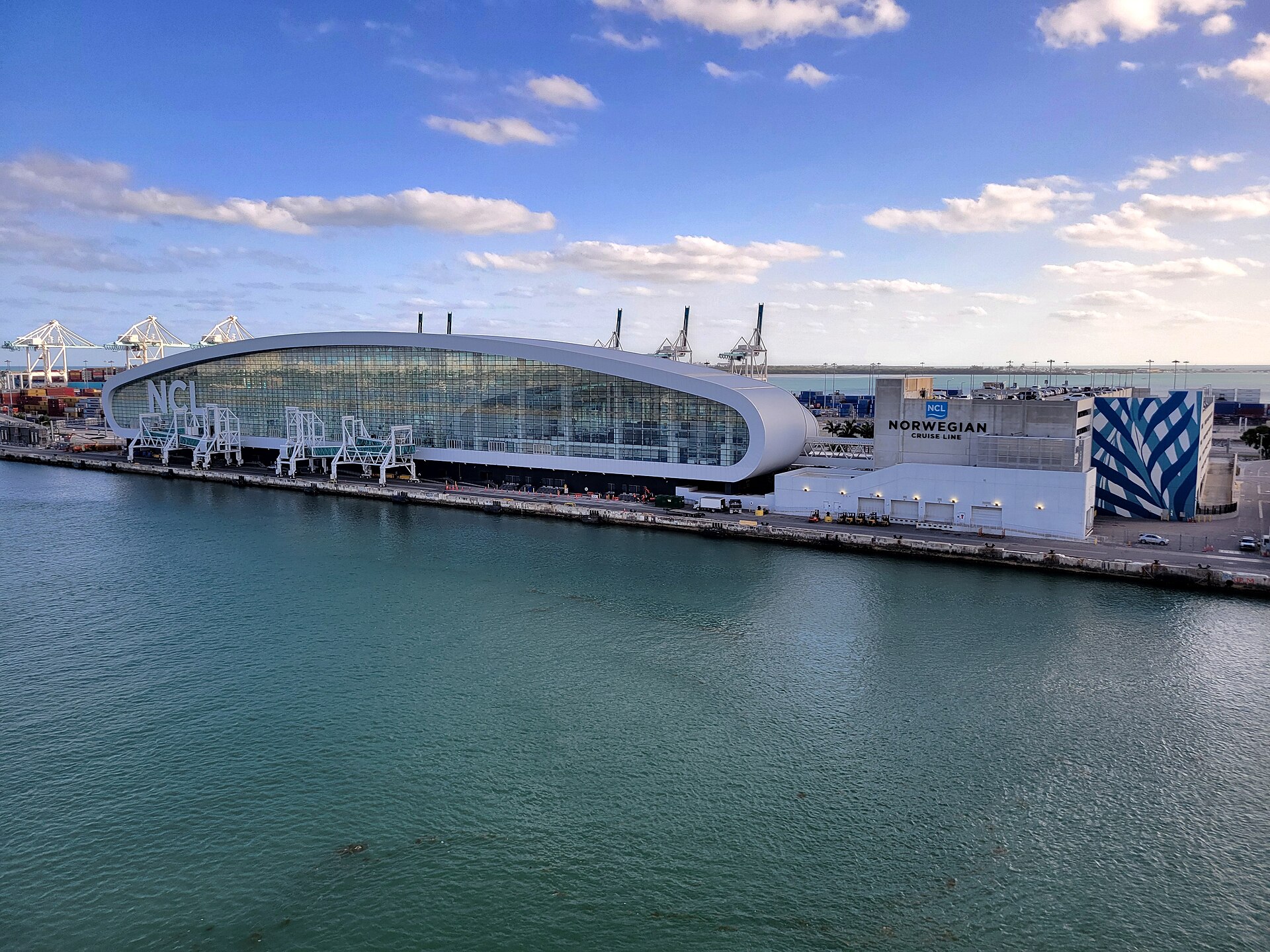
Why This Scam Works So Well on Cruisers
A fake “verify your card” email for a streaming service is easy to laugh off. A fake one for your cruise lands differently, for three reasons that come straight from how cruise payments really work.
1. Cruise lines really do put holds on your card
Norwegian’s own FAQ says that “the maximum initial credit/debit card pre-authorization amount (hold) is $300.00 USD for all cruises,” that “incremental holds will be placed as needed based on your daily spending,” and that “the credit card is not charged until the end of the cruise” (ncl.com). We walked through how these holds work on every major line in our guide to paying for things on a cruise.
So “an authentication of the card on file, not a request for payment” doesn’t sound mad to a cruiser. It sounds almost exactly like a pre-authorization. The scammers borrowed the vocabulary of a real process.
2. You really do hand over a card at check-in, and the timing matches
Norwegian’s onboard account is set up at check-in: “Sign up when you check in, establishing your method of payment,” its onboard expenses FAQ says. And online check-in opens at a fixed point: guests can “Check-In any time online starting at 21 days and up to 3 days prior to sailing,” according to Norwegian’s Countdown to Your Cruise page.
That window lines up neatly with the reports. Cruise Radio’s Reddit example was a guest sailing on November 1, exactly 21 days out, who got the fake on the morning of the real check-in email. The Getaway passenger got theirs two days before sailing. A card request that arrives in the very days you’re expecting to be asked for a card is the scam working as designed.
3. The scammers took away the usual giveaway
Here’s the part that should worry anyone with a cruise booked. In August, TravelHost editor in chief Dan Kline got a fake Norwegian “Guest Shore Excursion Confirmation” from a Gmail address, with a PDF attachment and a phone number. The write-up, republished by Yahoo, noted the tell: it said “valued guest” and had no reservation number, ship or sail date, while real Norwegian confirmations always include all three.
Two months later, the October emails included all three. The best quick test the cruise world had, “does it know my booking number?”, no longer works. The only test left is the one Norwegian is now shouting about: who actually sent it, and where does the link go? TheTravel lists addresses that passengers reported, including [email protected] and [email protected]. Neither is an ncl.com address.
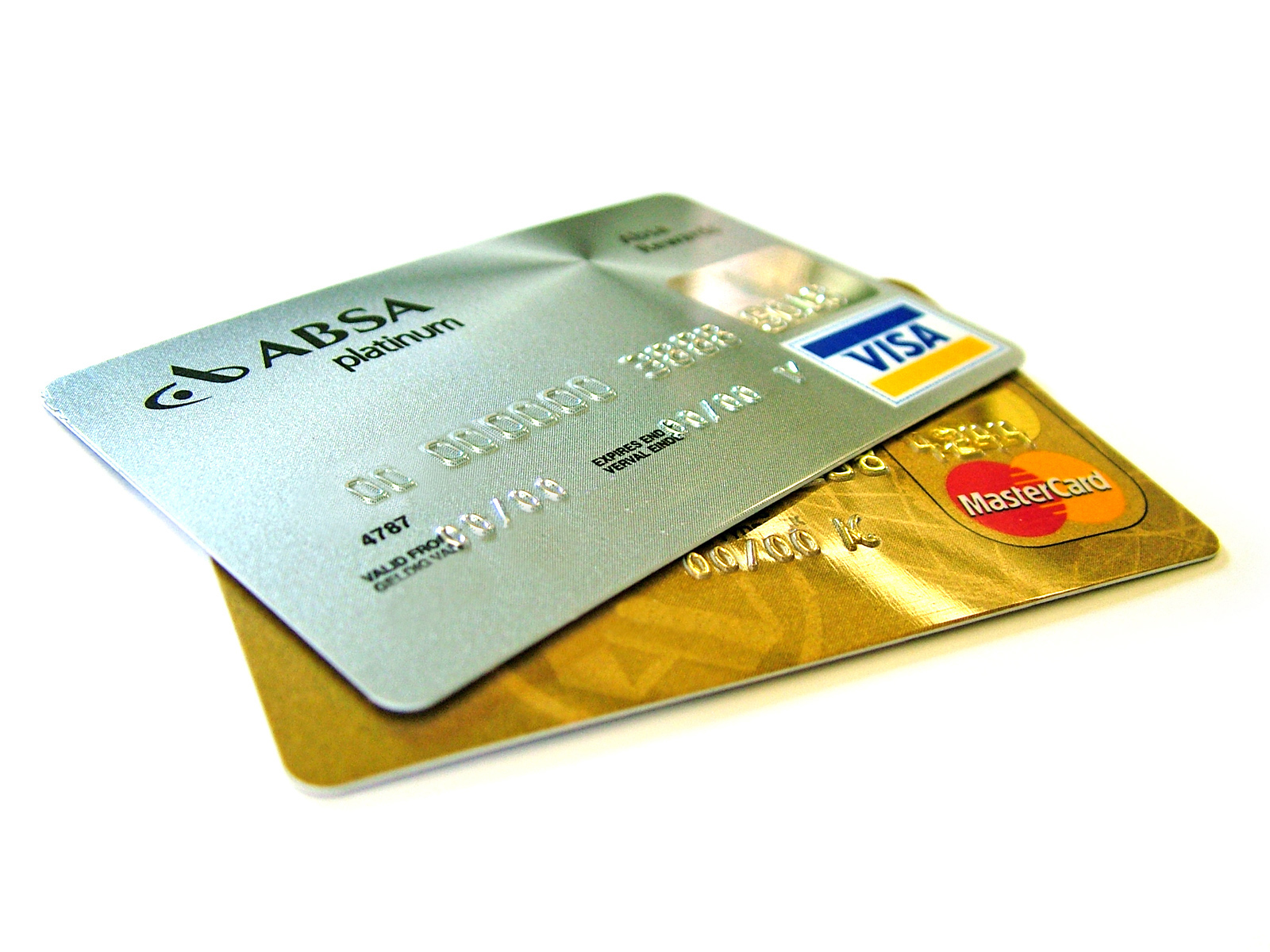
Fake vs. Real: A Side-by-Side Check
Here’s how the reported scam emails compare with what Norwegian and the US Federal Trade Commission say genuine contact looks like.
| Check | The October scam emails (as reported) | What the real thing looks like |
|---|---|---|
| Sender | Addresses such as [email protected] and [email protected] (TheTravel) | Only @ncl.com, @e.ncl.com or @nclcorp.com (Norwegian’s advisory) |
| Your booking details | Real name, ship, date and booking number, sometimes the amount paid (Cruise Hive, TheTravel) | Also present, so this no longer proves anything |
| The ask | “Security authentication” of the card on file through a link (Cruise Hive) | The FTC says scammers “say you need to confirm some personal or financial information — you don’t” |
| Pressure | Act now or the booking may be cancelled (Cruise Hive, TheTravel) | The FTC flags claims of “a problem with your account or your payment information” as a phishing sign |
| Where to check | A link inside the email | Your account on ncl.com, your travel advisor, or 866.234.7350 (Norwegian’s advisory) |
Cruise Lines Have Been Here Before
This isn’t the first time someone has pretended to be Norwegian. It’s just the most convincing attempt yet. The reported cases show the scams moving from cold calls, to generic emails, to emails that know your booking:
- May 2025, phone: A Norwegian guest got a call from a 301 (Maryland) number from someone claiming to work in the line’s air department, offering to book flights for a large group. She paid on two cards, both were compromised, and a follow-up call asking for new card numbers for a “refund” took her total to nearly $20,000, Cruise Hive reported. A Norwegian guest services agent who posted about it said staff direct lines use 305 numbers, with some on 954.
- August 7, 2026, email: The fake “Guest Shore Excursion Confirmation” from a Gmail account, with a PDF and a phone number, but no booking details (TravelHost via Yahoo).
- October 10, 2026, email: “Card on file” authentication requests that carry real booking details start appearing on r/NCL (Cruise Hive, TheTravel).
- October 12, 2026: Norwegian’s advisory is live at the top of ncl.com, and the line confirms it is investigating (ncl.com, Cruise Hive, Cruise Radio).
What to Do If One Lands in Your Inbox
Whichever line you’re sailing with, the same rules apply. Most of them come straight from Norwegian’s advisory and the FTC’s phishing guidance.
- Don’t click, don’t reply, don’t send card details. That’s Norwegian’s own instruction, word for word.
- Check the actual sender address, not the display name. For Norwegian it must end in @ncl.com, @e.ncl.com or @nclcorp.com. Kline’s August fake shows why: its Reply-To said [email protected] while the real “From” was a Gmail account.
- Go to the line yourself. Type ncl.com into your browser and log in, or call your travel advisor or the number in the advisory. Don’t call a number from the email. The TravelHost write-up also warns that numbers found through search results can be faked.
- If you already entered your card, call your bank now. That’s TheTravel’s advice, and a quick bank response is what stopped the charge for the passenger mentioned above. If you shared other personal information, the FTC points you to IdentityTheft.gov for next steps.
- Report it. The FTC says to forward phishing emails to the Anti-Phishing Working Group at [email protected] and report them at ReportFraud.ftc.gov. Then tell the cruise line through its official contacts, so it can see how far the campaign has spread.
- Stop posting your booking number. Cruise Hive’s advice after the 2025 phone scam was not to share booking details publicly. That means no “We’re going!” photos of your confirmation, no party size, and no cabin number on social media. Whatever the source of this leak turns out to be, there’s no reason to add to it.
One more thing. A cruise line asking you to pay or update a card isn’t automatically a scam, because final payments and onboard accounts are real. The difference is where you do it. Do it in your account, on a site you typed yourself, and never through a link that arrived out of nowhere with a deadline attached.
The Bottom Line
The scammers did their homework. They knew the names, the ships and the dates, and they timed their emails for the exact window when Norwegian guests expect to be asked about a card. They used the language of a real cruise payment system. The only thing they couldn’t fake was the sender’s address.
So check that. And if an email about your vacation wants your card number by the end of the day, the safest reply is none at all. Close it, open ncl.com yourself, and get back to arguing about the hot tub schedule.
Cruise Chaos earns nothing from cruise lines and doesn’t run booking affiliate links. This story is based on Norwegian Cruise Line’s own guest advisory and FAQ pages, the FTC’s phishing guidance, and reporting by Cruise Hive, TheTravel, Cruise Radio and TravelHost (via Yahoo). The passenger accounts come from Reddit posts as reported by those outlets, because Reddit blocked our reader. Norwegian hasn’t said how the scammers got the booking details, and we haven’t guessed. If we’ve got something wrong, tell us and we’ll correct it in the open.
Coming up on Cruise Chaos: more chaos from the high seas, with every fact checked.
🎁 Get our free Cruise Survival Kit. Join the Cruise Chaos crew and we’ll email you our printable packing checklist and money-saving cheat sheet right away, plus the week’s best cruise stories and verified deals every Friday. Send me the free kit →
Got a cruise story like this?
Something wild, strange or funny happened on your sailing? Tell us what happened. We read every story, fact-check it, and email you before anything is published.
Keep Reading
- How Do You Pay for Things on a Cruise? Cards, Holds and the Final Bill, Line by Line
- “Where’s My $1,100?” The Cruise Hot Tub Showdown and the Booking Trap Behind It
- What Do I Need to Know Before Going on a Cruise? Every Deadline, Line by Line
Sources
- Norwegian Cruise Line: Important Guest Advisory, ncl.com homepage (checked October 12, 2026)
- Norwegian Cruise Line FAQ: Why is there a hold on my credit card?
- Norwegian Cruise Line FAQ: How do I pay for onboard expenses?
- Norwegian Cruise Line: Countdown to Your Cruise (online check-in window)
- Cruise Hive: Norwegian Cruise Line Investigating Scam Emails That Know Booking Details (October 12, 2026)
- TheTravel: Norwegian Cruise Line Issues Warning Over Emails As Passengers Report Concerns Just Days Before Sailings (October 12, 2026)
- Cruise Radio: Cruise Scam Alert: Why So Many Are Falling For a New Scheme and How You Can Avoid It (October 12, 2026)
- TravelHost via Yahoo: Scam alert: watch out for fake Norwegian cruise excursion email (August 2026)
- Cruise Hive: Norwegian Cruise Line Warns Cruise Guests of Costly Scam (May 23, 2025)
- US Federal Trade Commission: How To Recognize and Avoid Phishing Scams
You May Also Like
 An $80 Million Cruise Dock, a 13-Hour Fire, and No Working Hydrant
 What Do I Need to Know Before Going on a Cruise? Every Deadline, Line by Line
 What Documents Do I Need for a Cruise? Birth Certificates, IDs and Kids, Line by Line
 What Time Should I Arrive for a Cruise? Every Line’s Check-In Window and Cut-Off