
How we work: facts are checked against original sources and linked, cruise prices are verified on the cruise line’s own website the day we publish, and we earn no commissions. Spotted a mistake? Tell us and we will correct it.
Seattle to Juneau is a trip from one American city to another. Your cruise ship will still stop in Canada on the way.
That’s not for the scenery. It’s because of a law passed in 1886, and that same law explains why so many Americans can cruise with nothing more than a birth certificate and a driver’s licence. It also explains why the same documents will leave you stuck the moment your trip stops going to plan.
Here’s the short answer. Not always. U.S. citizens on a closed-loop cruise, one that starts and ends at the same U.S. port, can usually sail with a birth certificate and a government photo ID. You need a passport for one-way cruises, the Panama Canal, Europe, Asia, Australia and most cruises that start outside the U.S. You also need a passport book to fly home from a foreign port if you miss the ship or have an emergency. And if you aren’t a U.S. citizen, bring your passport every time.
Do You Need a Passport for a Cruise?
The answer depends on three things: where your cruise starts and ends, where it goes, and what passport you hold.
The U.S. government sets the basic rule. U.S. Customs and Border Protection’s Western Hemisphere Travel Initiative page says “U.S. citizens on closed-loop cruises (cruises that begin and end at the same U.S. port) are able to enter the United States with a birth certificate and government-issued photo ID.” Children under 16, or under 19 when traveling with a school, religious or youth group, need only “a birth certificate or other proof of citizenship.”
That rule only covers getting back into the U.S. CBP adds that you “may still be required to present a passport to enter the countries your cruise ship is visiting.” Your cruise line can also ask for more than the government does. It checks your papers at the terminal, and if it says no, you don’t sail.
Why Closed-Loop Cruises Exist: The 1886 Law
Most cruise guides skip this part, but it explains the whole system.
Nearly every big cruise ship is registered abroad, in places like the Bahamas, Panama or Malta. Under the Passenger Vessel Services Act of 1886, a foreign-flagged ship can’t carry passengers from one U.S. port to another. CBP’s guide to the law gives examples. Carrying a passenger from San Francisco to Seattle breaks it. So does a round trip from Los Angeles to Hawaii with no foreign stop.
So cruise lines build itineraries around it. A round trip is allowed if the ship stops at a “nearby foreign port,” which CBP defines as any port in “North America, Central America, the Bermuda Islands, or the West Indies (including the Bahama Islands…).” That’s why Seattle’s Alaska cruises call at Victoria. A one-way trip between two U.S. ports needs a stop at a “distant foreign port” instead, and CBP’s example is Aruba.
Those round trips are exactly the “closed-loop cruises” the passport exception covers. The ship leaves an American port, visits a nearby country and brings you back to the same place. The system is built on one assumption: you’ll come home on the same ship.
The law applies to your early exit, too. CBP’s example is a passenger on a Seattle round trip who gets off early in Juneau, and it says that breaks the law “regardless of the reason for the early departure.” The fine goes to the cruise line. Norwegian’s travel documents page puts it at “starting at $1,022 per person.” That’s why cruise lines don’t let you skip the last day and leave the ship early.
Which Cruises Need a Passport? Every Itinerary Checked
We read the U.S. government’s rules and the travel document pages of Carnival, Royal Caribbean and Norwegian in September 2026, and matched them up by itinerary. This is for U.S. citizens. Everyone else, see further down.
| Your cruise | Birth certificate + photo ID OK? | What the rules say |
|---|---|---|
| Caribbean, Bahamas or Mexico round trip from a U.S. port | Yes | Closed loop. Carnival accepts a photocopy; Royal Caribbean and Norwegian don’t |
| Bermuda round trip | Yes | Norwegian lists Bermuda under its closed-loop rules |
| Alaska round trip from Seattle | Yes | Closed loop, with a stop in Canada. Canada accepts birth certificates but recommends a passport |
| Canada & New England round trip (from New York or Boston) | Yes | Closed loop under Norwegian’s rules |
| Alaska one-way (Seward or Whittier to Vancouver) | No | Norwegian’s birth-certificate option covers only cruises that start and end in the same U.S. port. Royal Caribbean asks for a passport on sailings from Seward. Flying into Canada needs a passport book |
| Hawaii inter-island (Pride of America) | Not even needed | Norwegian: “all you need is a government-issued photo I.D.” |
| One-way between two U.S. ports | No | Carnival accepts a passport book or card; Norwegian requires a passport |
| Panama Canal, or calls in Panama or Colombia | No | Norwegian and Royal Caribbean require a passport book. Carnival accepts a card for Colombia, but you need a book to go ashore in Panama |
| Any cruise calling at Martinique | No, on Royal Caribbean | Royal Caribbean requires a book. On Carnival you can sail without one but must stay aboard in Martinique |
| Europe, transatlantic, Asia, Australia, South America | No | Passport book, valid six months after the cruise ends |
| Any cruise calling at a UK port | No | Passport, plus a UK Electronic Travel Authorisation (ETA) |
The pattern is easy to follow. Round trips from the U.S. to nearby countries: birth certificate is fine. Anything one-way, anything that starts abroad, or anything that goes further: passport.
For the details of the two biggest no-passport destinations, including which birth certificates get turned away at the terminal, see our guides to Bahamas cruises and Mexico cruises.
Do You Need a Passport for an Alaska Cruise?

It depends which Alaska cruise you book, and this is where people get caught out.
Round trips from Seattle are closed-loop cruises. The stop in Victoria or another Canadian port is what makes them legal, and Canada accepts U.S. birth certificates. The Canada Border Services Agency says it “recommends travelling with a valid passport,” but also lists birth certificates, citizenship certificates and enhanced driver’s licences as acceptable proof.
One-way “Gulf of Alaska” cruises are different. They run between Seward or Whittier, near Anchorage, and Vancouver. They start and end in different ports, one of them in another country, so the closed-loop exception doesn’t apply. Norwegian’s birth-certificate option only covers “cruises that begin and end in the same US port,” and Royal Caribbean’s page for Seward sailings lists a valid passport. Most people on these cruises also fly into or out of Vancouver, and Royal Caribbean requires a U.S. passport book “if traveling to Canada by air.”
So if your Alaska cruise has “Vancouver” anywhere in it, get a passport.
Do You Need a Passport for a Hawaii Cruise?
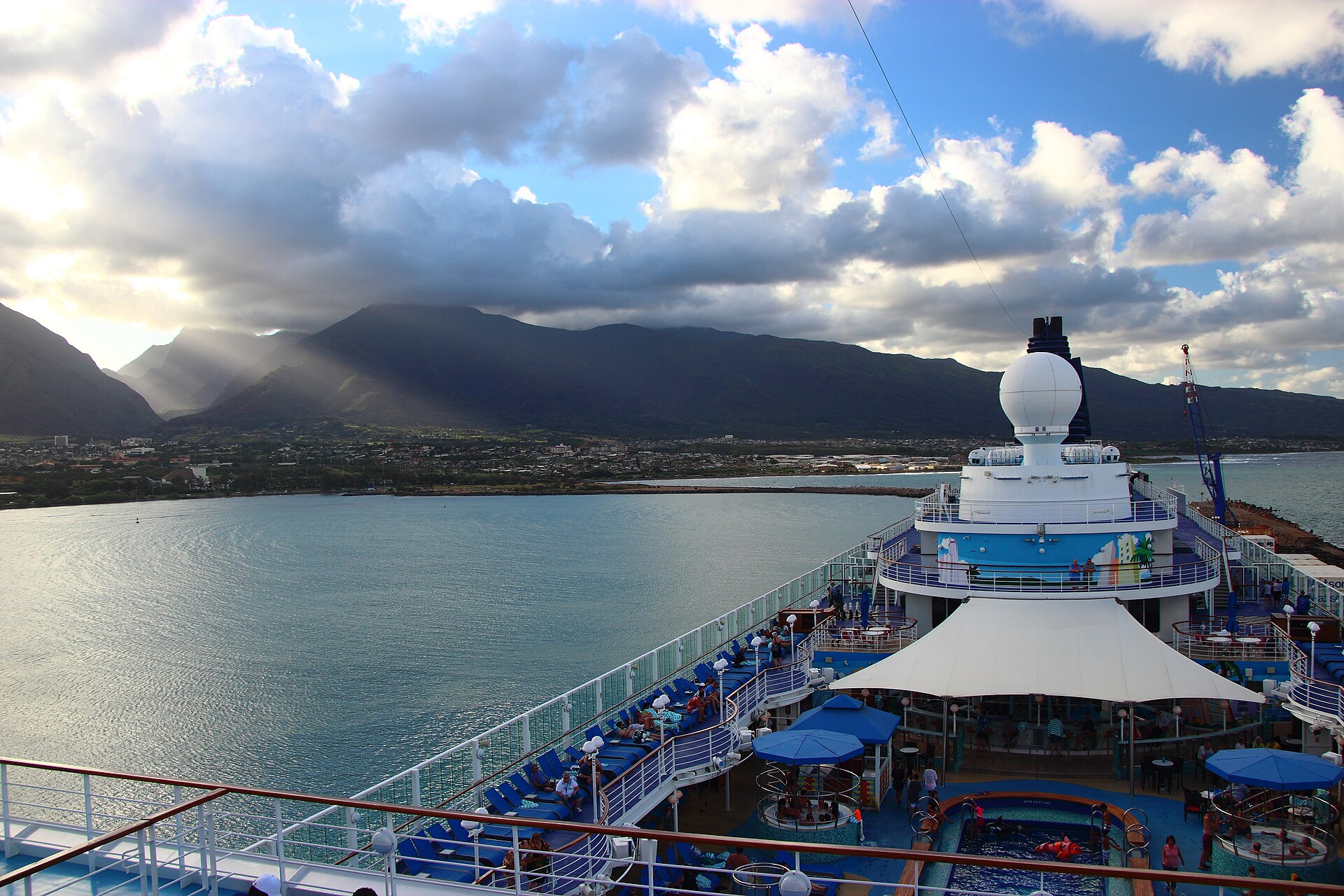
Not on Norwegian’s Pride of America, which is the only cruise in this guide where you don’t even need a birth certificate. Norwegian says: “If the ship never sails beyond the islands of Hawaii, all you need is a government-issued photo I.D. which includes a passport or a valid driver’s license with a photo.”
That’s the 1886 law again. Pride of America is registered in the U.S., with Honolulu as its port of registry and a mostly American crew, so it can sail between U.S. ports without a foreign stop. You never leave the country, so there’s no border to cross.
Hawaii cruises from the mainland are different. They use foreign-flagged ships, so they need a foreign stop, and the document rules depend on the itinerary and the line. Check your line’s page before you book.
Panama Canal and South America: Passport Book Required
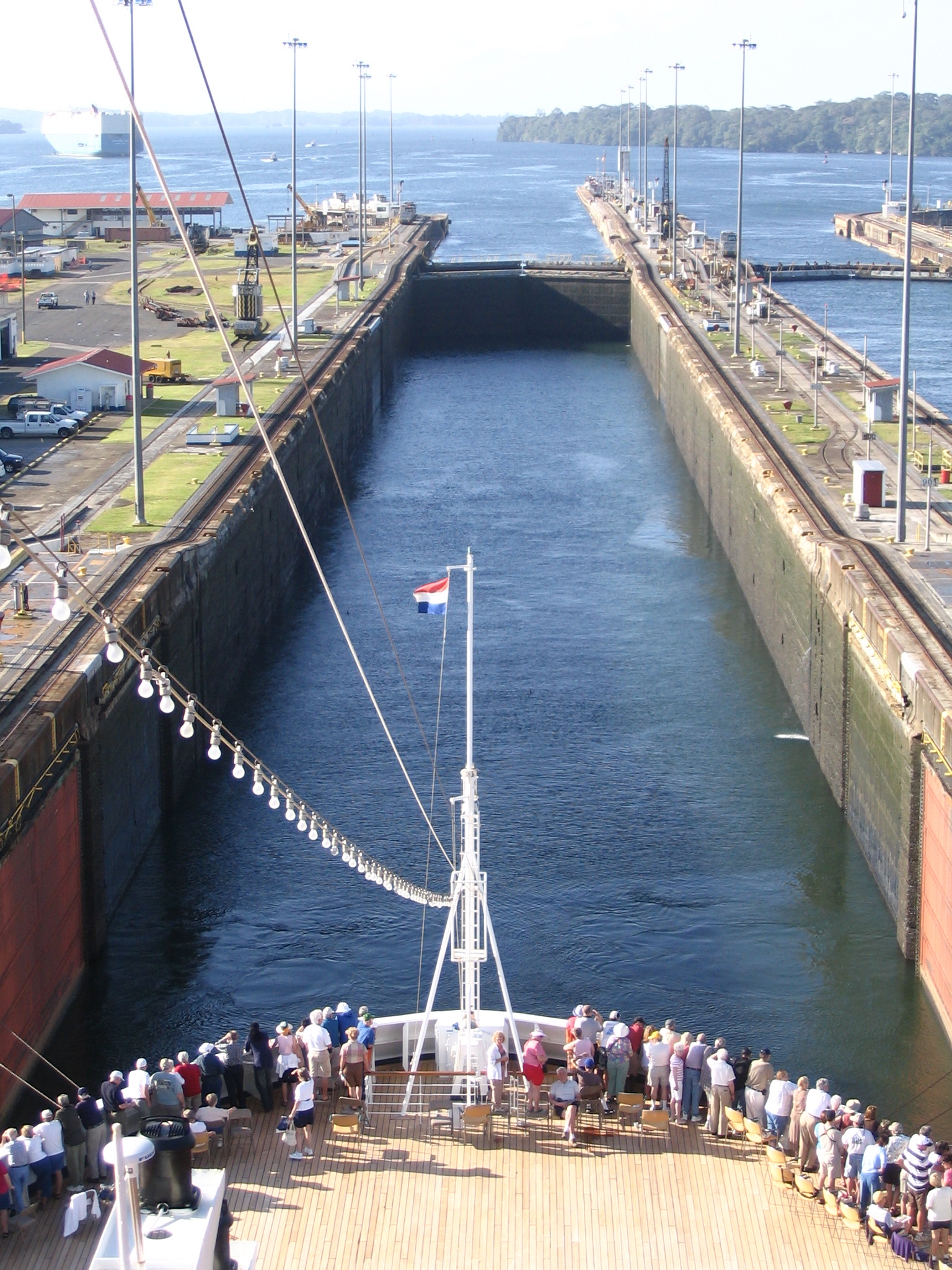
This is the catch in longer Caribbean itineraries. A cruise can start and end in Fort Lauderdale and still require a passport because of one stop.
Norwegian is the strictest: “Valid passports are required to board the ship for all Panama Canal sailings and sailings that visit Colombian or Panamanian ports. No passport cards, birth certificates or other form of proof of US citizenship will be accepted. Failure to present a valid passport at check-in will result in denial of boarding.”
Royal Caribbean requires a passport book for cruises that include Panama, Colombia or Martinique. Carnival is a bit more flexible: a passport book or card for Colombia, and a passport book to go ashore in Panama or Martinique. Without one, it says, guests “must remain on board.” Paying for a port day and watching it from the deck is a bad trade.
Do You Need a Passport for a European Cruise?
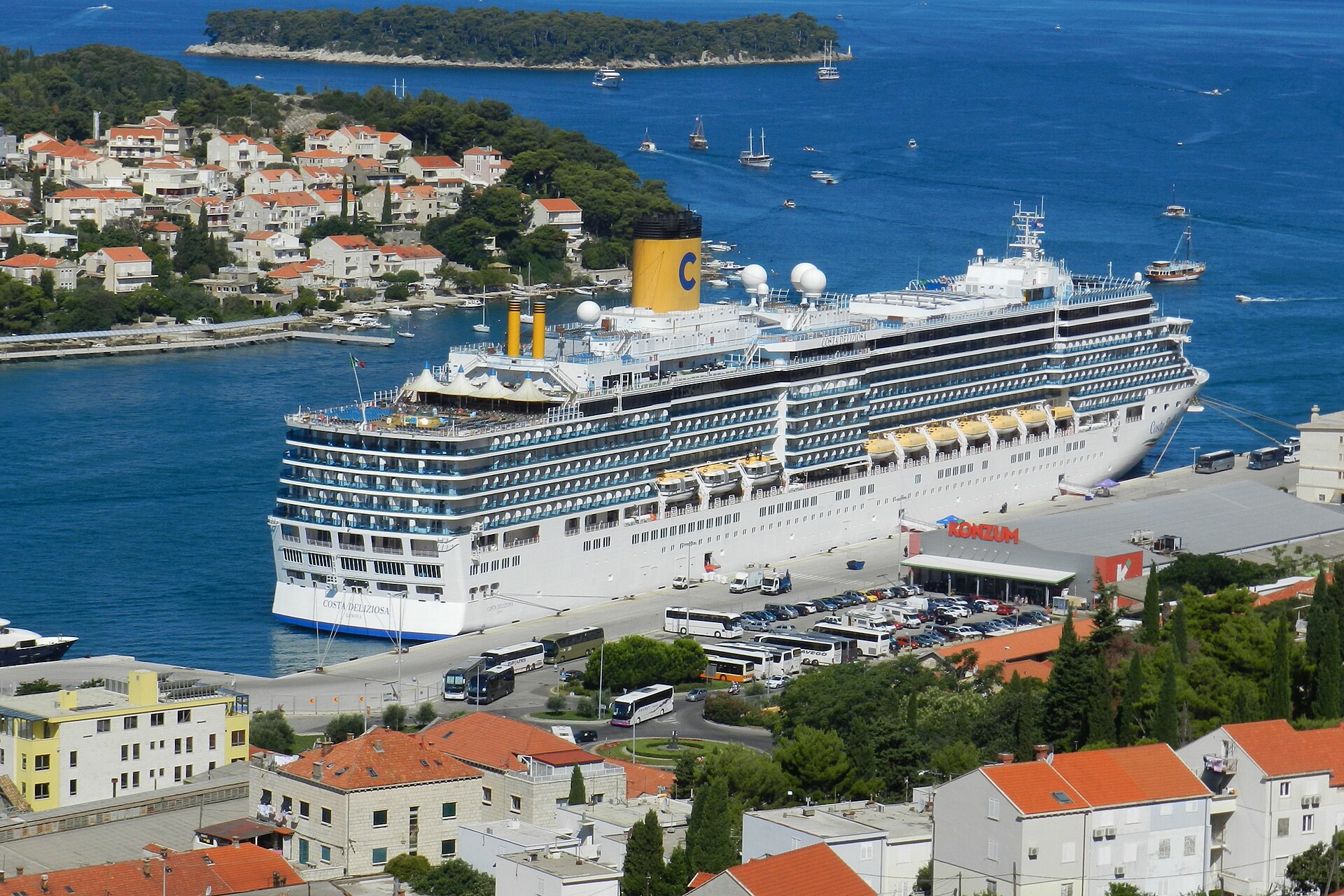
Yes, always. Carnival says U.S. citizens on Europe and transatlantic cruises “are required to carry a passport book, valid for at least six months beyond the completion of travel.” Norwegian and Royal Caribbean say the same. The passport isn’t the only thing to check in 2026, though. Europe and the UK are both adding new entry rules.
The UK now requires an ETA. Americans need an Electronic Travel Authorisation to visit the UK, and it costs £20. The UK government began enforcing it on February 25, 2026, and warned that “carriers will be checking people before they travel.” Royal Caribbean’s page for Southampton sailings says visitors need an ETA, and a UK travel agency, Bolsover Cruise Club, says cruise passengers visiting the UK as part of their itinerary need one, “including babies and children.” The Home Office says it’s valid for two years or until your passport expires, and most people get a decision “in minutes” through the UK ETA app. Apply through GOV.UK or the official app, not a lookalike site that charges extra.
The EU’s new border system is running, with gaps. The Entry/Exit System, which registers non-EU visitors’ fingerprints and a photo, started on October 12, 2025. There’s good news for cruisers: the UK government’s guidance says sailings that start and finish outside the Schengen area “will usually be exempt from EES checks for any day trips into the Schengen area.” If you fly into Barcelona or Rome to join your ship, expect to be registered at the airport. Rollout has been uneven. Immigration law firm Fragomen reported on September 17, 2026 that nine countries, including France, Germany, Greece and Italy, were “not currently operating the EES at all borders and at all times.”
ETIAS isn’t live yet. Many guides still say the EU’s travel authorisation for visa-free visitors starts in late 2026. It doesn’t. Fragomen says the EU site “currently has no proposed commencement date,” and ETIAS.com reported in July 2026 that the late-2026 target had been removed. The EU has said it will announce the date several months in advance. When it does launch, ETIAS.com says it will cost €20 and last three years. Don’t pay anyone for an ETIAS “application” today.
Flying to Your Cruise? Check Your ID, Not Just Your Passport
Here’s a catch that has nothing to do with the cruise itself. Your birth certificate gets you on the ship. It doesn’t get you through airport security in Miami.
Since May 7, 2025, the TSA has required a REAL ID-compliant licence or another accepted ID for domestic flights. Since February 1, 2026, travellers without one can pay $45 for TSA ConfirmID, which covers a 10-day travel period, and the TSA says they “should expect delays.” On embarkation day, a delay like that can cost you the ship.
The useful part: the TSA’s list of accepted IDs includes both the U.S. passport and the U.S. passport card. Children under 18 don’t need ID for domestic flights. So a passport card, which can’t be used for international flights, still works as ID for the flight to your cruise port. Carnival’s advice is the same: a REAL ID “cannot be used as proof of citizenship,” so it’s photo ID only and still needs to go with your birth certificate.
Birth Certificate, Passport Card or Passport Book?
Here’s what each one gets you, with 2026 fees as listed by RushMyPassport (updated September 16, 2026):
- Birth certificate plus photo ID: costs whatever your state charges for a certified copy. Fine for closed-loop cruises if it meets your line’s rules. Useless for flying home from abroad.
- Passport card: $65 for first-time applicants ($30 plus a $35 acceptance fee). Carnival says it “will only be valid for land and sea travel” between the U.S. and Canada, Mexico, the Caribbean and Bermuda. It covers closed-loop cruises, Carnival one-way cruises and domestic flights. It won’t get you on an international flight.
- Passport book: $165 for first-time applicants ($130 plus $35), or $135 for children under 16. It works for every cruise in the table above, and Carnival calls it “the only acceptable document for flying back home from overseas” in an emergency.
Routine processing takes about six weeks, according to RushMyPassport. Expedited service costs $60 more and takes two to three weeks. Add mailing time on top, and remember the six-month rule: Carnival, Royal Caribbean and Norwegian all want your passport valid for six months after the cruise ends. Royal Caribbean makes an exception for Asia sailings.
The cheapest option works fine as long as nothing goes wrong. If you miss the ship in Cozumel, get sick in Nassau or get a call about a family emergency, you’ll need a flight home, and only the book gets you on that flight. That $100 gap between the card and the book is small next to a last-minute flight home and extra nights in a hotel while you sort out your documents.
What If You’re Not a U.S. Citizen?
Then the closed-loop exception doesn’t apply to you. It’s a rule for U.S. citizens only. Norwegian’s policy is typical: “All Non-U.S. Citizen Guests Must Carry A Valid Passport,” not expiring within six months of the end of the cruise. Green card holders should check their line’s page. Royal Caribbean asks for the Permanent Resident Card and a valid passport on one-way sailings.
Visitors from Visa Waiver countries such as the UK, Australia or Germany also need U.S. permission. Norwegian says they “must be able to present a valid ESTA or US Visa before boarding a cruise that starts, visits, or ends in the United States. Any person unable to do so will be denied boarding.” It also notes that some European itineraries need a multiple-entry Schengen visa for travellers who need a visa to visit Europe, because the ship leaves and re-enters the Schengen area.
Your Pre-Cruise Document Check
- Look at the start and end ports. Same U.S. port? You may not need a passport. Different ports, or a start outside the U.S.? You need one.
- Read every stop. Panama, Colombia or Martinique can change the rules on an ordinary Caribbean round trip.
- Read your own line’s document page, not a general guide. Rules on photocopies and passport cards differ from line to line.
- Check the expiry date. Six months past the last day of the cruise.
- Calling at a UK port? Get your ETA through GOV.UK or the official app before you leave home.
- Flying to the port? Bring a REAL ID, passport or passport card for the airport as well as your cruise documents.
- Keep your documents in your carry-on, and take a phone photo of each one.
Quick Answers
Can you go on a cruise without a passport?
Yes, if you’re a U.S. citizen on a closed-loop cruise that starts and ends at the same U.S. port and visits nearby countries such as the Bahamas, Mexico, Canada or Bermuda. You’ll need a birth certificate and a government photo ID. Children under 16 need only the birth certificate.
Do you need a passport for an Alaska cruise?
Not for a round trip from Seattle, which is a closed loop even though it stops in Canada. You do need one for one-way cruises between Alaska and Vancouver, and for flying into Canada.
Can I use a passport card for a cruise?
Yes, on closed-loop cruises and some one-way cruises. Norwegian and Royal Caribbean don’t accept it for Panama Canal sailings or calls in Panama or Colombia. It isn’t valid for international flights, but it is accepted as ID at TSA checkpoints.
Do I need a passport for a Hawaii cruise?
Not for Norwegian’s inter-island Pride of America cruises, which need only a government photo ID such as a driver’s licence. Hawaii cruises from the mainland stop in a foreign port, so check your line’s rules.
Do Americans need an ETA for a UK cruise?
Yes, if the cruise starts, ends or calls at a UK port. The UK ETA costs £20, lasts two years or until your passport expires, and has been enforced since February 25, 2026.
The Bottom Line
You don’t always need a passport for a cruise. A 140-year-old shipping law means most short cruises from the U.S. are round trips, and round trips come with a birth-certificate exception. But that exception assumes you’ll come home on the same ship. If you have to fly home instead, only a passport book will get you on the plane.
If you cruise more than once, get the book. You’ll pay for it once and use it for ten years.
Cruise Chaos earns nothing from cruise lines, passport services or booking links. Every rule above links to where we read it. If a policy has changed since we checked, tell us and we’ll correct it.
Coming up on Cruise Chaos: can you bring snacks on a cruise? We’ll check every big line’s food rules: what you can carry on, what security takes away, and the one kind of snack almost every line bans.
🎁 Get our free Cruise Survival Kit. Join the Cruise Chaos crew and we’ll email you our printable packing checklist and money-saving cheat sheet right away, plus the week’s best cruise stories and verified deals every Friday. Send me the free kit →
Keep Reading
- Do You Need a Passport for a Cruise to the Bahamas? The Birth Certificate Rules That Trip People Up
- Do You Need a Passport for a Cruise to Mexico? What Happens When Things Go Wrong in Cozumel
- What Happens If a Cruise Leaves You Behind? The Bill, the Rules and the $996 Nobody Mentions
Sources
- U.S. Customs and Border Protection: Western Hemisphere Travel Initiative
- U.S. Customs and Border Protection: What Every Member of the Trade Community Should Know About the Passenger Vessel Services Act (PDF)
- Norwegian Cruise Line: Cruise Travel Documents
- Carnival Cruise Line: Travel Documentation, U.S. Citizens
- Royal Caribbean: Travel Documents & Requirements
- Canada Border Services Agency: Travel documents
- Wikipedia: Pride of America
- GOV.UK: Get an electronic travel authorisation (ETA) to visit the UK
- GOV.UK: No permission, no travel: UK set to enforce ETA scheme (November 24, 2025)
- Home Office: Electronic Travel Authorisation (ETA) factsheet (April 2026)
- Bolsover Cruise Club: Electronic Travel Authorisation for UK Cruises (April 2025)
- GOV.UK: EU Entry/Exit System (updated April 10, 2026)
- Fragomen: ETIAS and EES Launch Status (September 17, 2026)
- ETIAS.com: ETIAS drops 2026 date as launch slips out of view (July 16, 2026)
- TSA: REAL ID
- TSA: TSA introduces new $45 fee option for travelers without REAL ID (December 1, 2025)
- TSA: Acceptable identification at the TSA checkpoint
- RushMyPassport: How Much Does It Cost to Get a Passport? (updated September 16, 2026)
You May Also Like
 Do You Need a Passport for a Cruise to the Bahamas? The Birth Certificate Rules That Trip People Up
 Do You Need a Passport for a Cruise to Mexico? What Happens When Things Go Wrong in Cozumel
 What Happens If Your Cruise Price Goes Down After You Book? The 24, 48 and 72-Hour Rules
 Do You Need Insurance for a Cruise? What Your Ticket Contract Says You’ll Pay