
How we work: facts are checked against original sources and linked, cruise prices are verified on the cruise line’s own website the day we publish, and we earn no commissions. Spotted a mistake? Tell us and we will correct it.
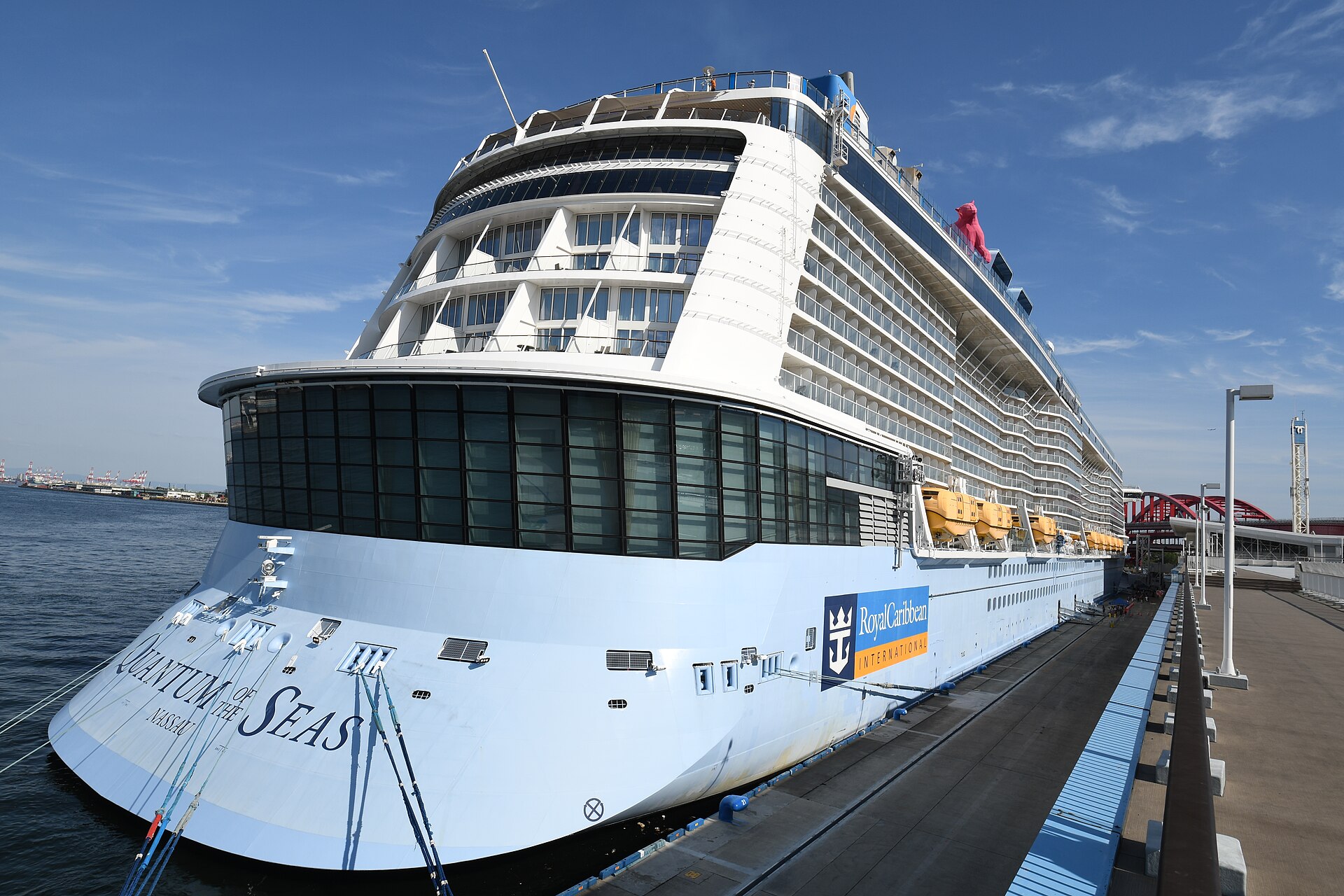
Picture the scene at the Port of Brisbane on January 17, 2025. A man, his partner and their son stand in the terminal holding tickets for a seven-night South Pacific cruise on Quantum of the Seas.
The cruise is free. So are the next four. Royal Caribbean handed him all five as a thank-you for how much he’d gambled in its onboard casinos.
They wait for over an hour. Then two Royal Caribbean employees tell them they aren’t sailing. By his account, nobody says why.
Twenty months later, that hour in the terminal has become a tribunal case. Behind it is the quiet deal between cruise casinos and their best customers: the line rewards you for playing, but only if it likes how you play.
What Happened, According to the Tribunal’s Own Record
Most coverage this week worked from other coverage. We went to the decision itself: Mark Timothy Grant v RCL Cruises Ltd t/as Royal Caribbean Cruises [2026] QCATA 137, delivered by Senior Member Samantha Traves of the Queensland Civil and Administrative Tribunal (QCAT) on September 14, 2026. Here is the timeline it sets out:
- February 7, 2024: Grant gambles on a Royal Caribbean cruise. He says it was this play that earned him the offer of free cruises. Each one was offered “as a result of the applicant gambling over a certain amount in the onboard casino”.
- Five cruises booked, worth A$22,040.83 in total according to the values printed on his vouchers.
- January 15, 2025: three days before departure, a Royal Caribbean representative phones to say all five cruises are cancelled. He says he wasn’t told why.
- January 17, 2025: he goes to the port anyway, tickets in hand, with his partner and son. After more than an hour, they are told they can’t board.
- November 3, 2025: a QCAT adjudicator dismisses his claim without ever reaching the merits, ruling that the tribunal has no jurisdiction.
- September 14, 2026: on appeal, Senior Member Traves sets that decision aside and sends the claim back to be heard.
Royal Caribbean’s side, as the decision records it: when it accepted the bookings, it meant to provide the cruises. Then its Global Security team reviewed his casino play and put him on the “no-sail list”. The line says its Guest Conduct Policy gives it “absolute discretion” to do that without explaining further. It also says the casino house rules “prohibit certain behaviours and styles of play including card counting”. In its view, by breaching them he lost the right to the free cruises, and it owes him nothing.
Nobody has found that Grant counted cards or broke any rule. That’s the question the tribunal still has to hear, if it gets that far.
“Banned Over $22,000 in Winnings”? Not Quite
As with most stories that spread fast, some details bent on the way. Here is what was reported against what the tribunal’s written reasons actually say:
| What was reported | What the decision says |
|---|---|
| He “had allegedly accumulated $22,000 in winnings from five cruises” (TheTravel). He booked five cruises “using winnings from the ships’ casinos” (GamblingNews). | The A$22,040.83 is the value of five complimentary cruises, printed on the vouchers. They were rewards for how much he gambled, not money he won. |
| A fresh story from this month. | The boarding refusal was on January 17, 2025. Only the appeal decision is new. |
| “High roller takes Royal Caribbean to court”. | He has won the right to be heard, nothing more. The appeal decided jurisdiction only. Traves found the parties hadn’t been “fully heard” on whether he should get damages. |
| A$22,000 in dispute. | A footnote says the claim “may include an amount of $540.81 which the respondent has subsequently refunded”. |
| “Card counting” as the reason. | Card counting appears in the decision as one of the styles of play the house rules ban, in Royal Caribbean’s submission. The decision makes no finding about what he actually did. |
To be fair to the rest of the coverage, Cruise Passenger and Cruise Mummy both got the core right: the cruises were rewards, and nothing has been decided on the merits.
Why Was This Even a Fight About Jurisdiction?
QCAT hears “minor civil disputes” up to a prescribed amount of A$25,000, so Grant’s claim was under the limit. One route in is a claim arising from a consumer–trader contract “for payment of money”. At the first hearing the adjudicator pointed out that the contract was for a cruise, not for money. Grant agreed (“It’s to provide a service”), and the claim was dismissed.
The appeal disagreed. Traves found there was “a contract to provide services”, and she named the consideration: “spending money in the onboard casinos in order to qualify for ‘free cruises’.” The contract was made when he chose a cruise and Royal Caribbean sent a confirmation invoice. The contract itself didn’t have to be about money. It only had to “give rise to a claim for the payment of money”, and a damages claim for breach does that.
Put simply, a tribunal has now said in writing that a “free” casino cruise isn’t free. You paid for it at the tables.
The Fine Print Royal Caribbean Will Point To
We read the rulebooks too. They are clearly written to give the line room to walk away:
- Royal Caribbean’s casino offer terms: offers “may be voided and withdrawn” if the line deems a recipient “not permitted to sail” or if prior gaming activity “is not substantiated or is in violation of gaming rules and regulations or RCL’s rules”.
- The Club Royale programme terms: membership and its perks “do not confer any enforceable contract or vested property rights”. If a benefit is wrongly denied, the member’s “sole and exclusive remedy” is having it reissued “if available”. Florida law governs.
- Its casino etiquette guide puts it bluntly: “Casinos do not permit advantage play (cheating)”. The brackets are Royal Caribbean’s.
So there’s a head-on collision coming. The programme terms say the perks create no enforceable contract. A Queensland tribunal has just said this booking did. The appeal decision doesn’t discuss those clauses, and we’re not going to guess how the rehearing will treat them. That argument is what the next round is for.
Why Casinos Hate Counters, and Why It’s Not Against the Law
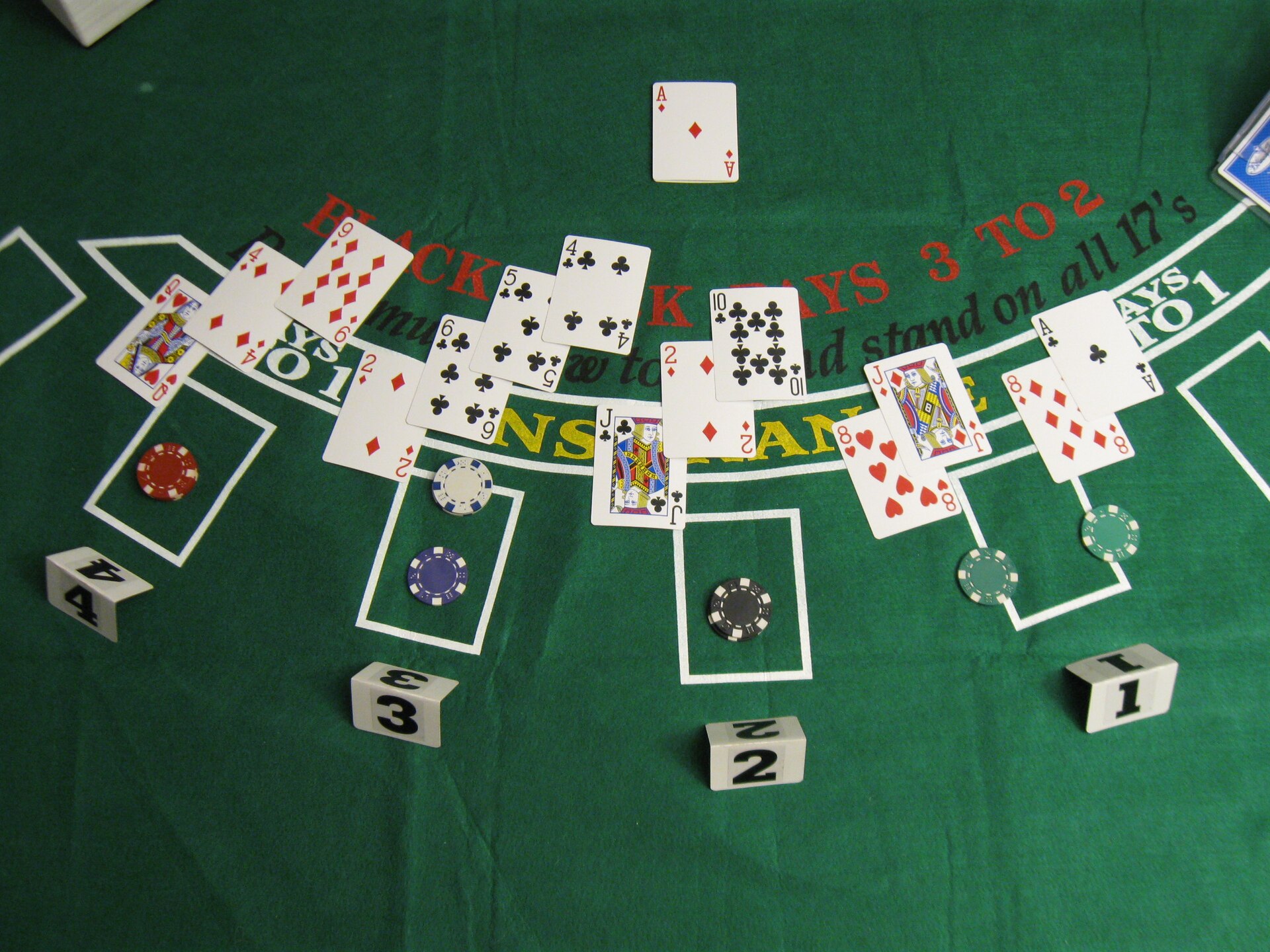
Card counting isn’t a trick with a mirror. A counter keeps a running tally of high and low cards as they come out and bets more when the cards left in the shoe favour the player. Edward Thorp set out the maths in Beat the Dealer in 1962. Doing it in your head isn’t illegal under US or British law, provided no device or accomplice is helping.
But legal isn’t the same as welcome. In Uston v. Resorts International (1982), New Jersey’s Supreme Court described the “majority American rule”: owners of places of amusement have “an absolute right arbitrarily to eject or exclude any person” within civil rights law. New Jersey was the exception. Its Casino Control Act meant Atlantic City couldn’t bar the famous counter Ken Uston just for playing well. Most casinos elsewhere can, and a cruise line runs a private casino on a private ship under its own contract.
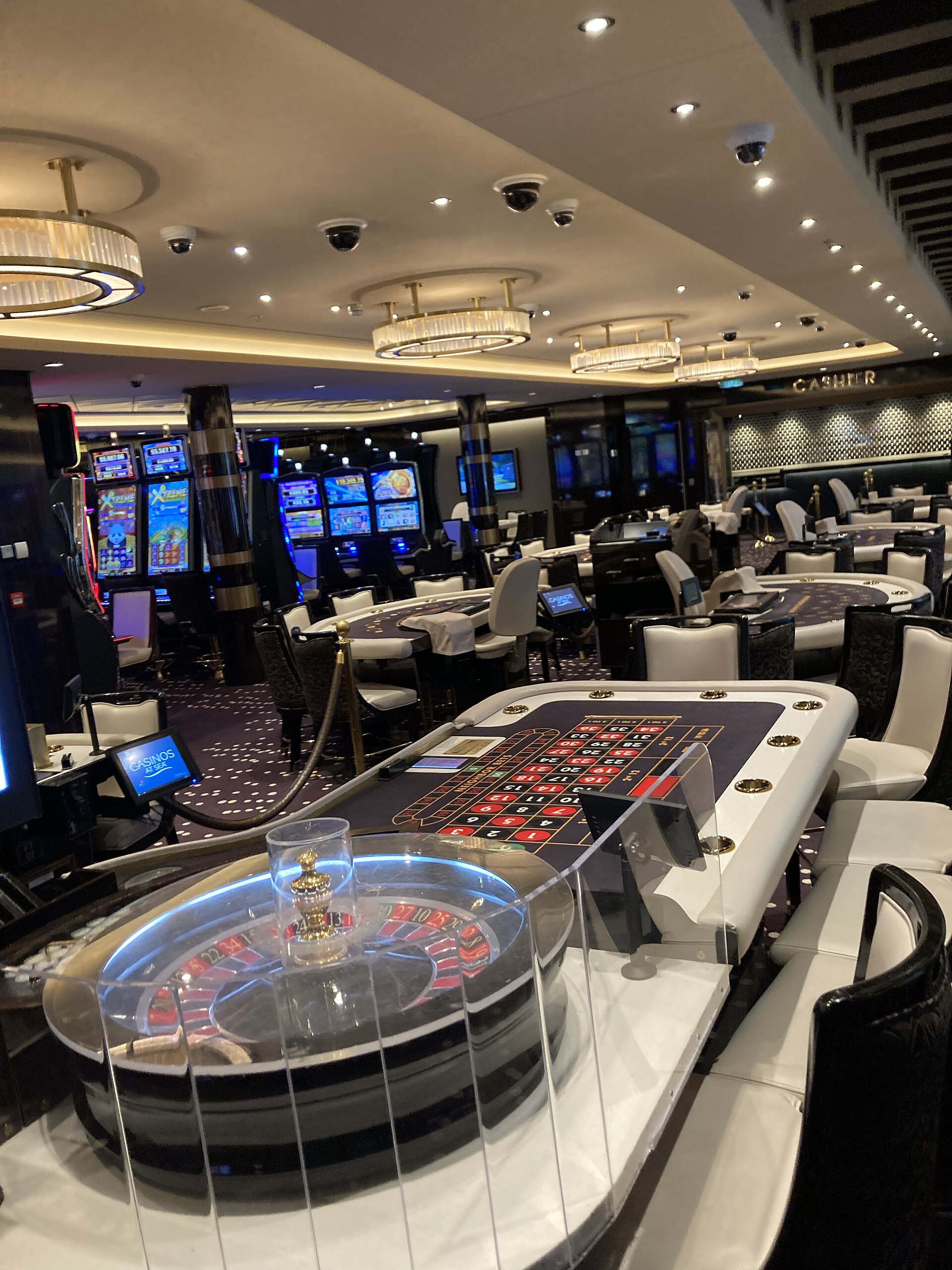
Here’s the part that makes a cruise casino different: on land, a casino ban costs you one casino. At sea, the casino and the ship belong to the same company. If the line decides you’re unwelcome at its tables, it can also decide you’re unwelcome aboard. Grant didn’t just lose his seat at a blackjack table. He, his partner and his son lost a holiday at the gangway.
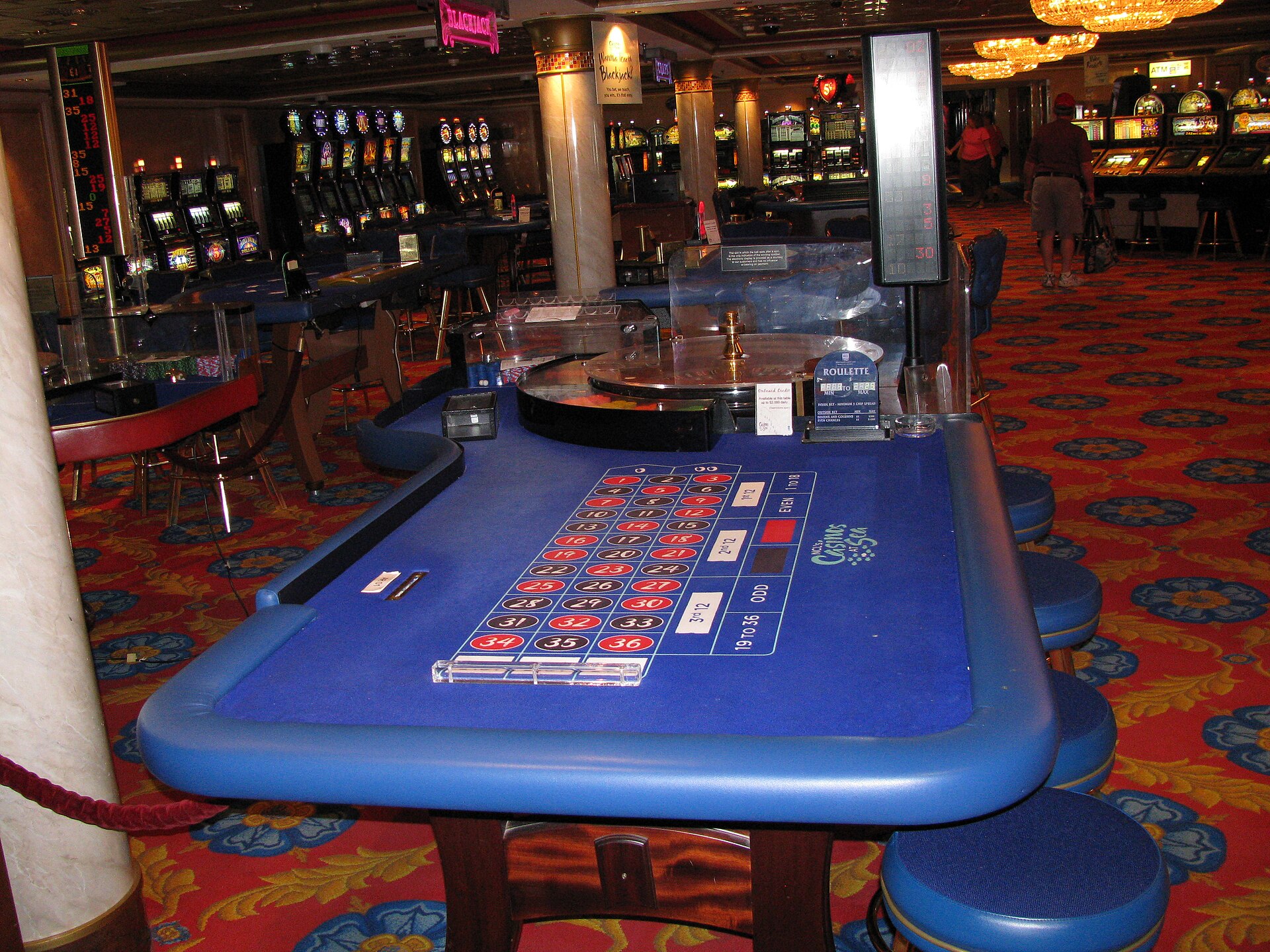
This is also not Grant’s first round with a casino. In March 2018 The Star in Queensland issued exclusion notices to him and another player, Nathan Anderson, after games of Pontoon (Spanish blackjack). It alleged edge sorting, spotting tiny printing flaws on card backs, and collusion. In August 2022, the ABC reported, QCAT set the notices aside. It found “no grounds exist” for the exclusions and that the pair’s conduct involved “no form of dishonesty”. That was a different operator, different law and a different question, and it settles nothing here.
Edge sorting has gone the other way in Britain. In 2017 the UK Supreme Court ruled that poker pro Phil Ivey’s £7.7 million punto banco win at Crockfords was cheating, so the casino didn’t have to pay him. The line between “skilled” and “cheating” depends on the game, the method and the jurisdiction.
What This Means If You Play the Ship’s Casino
- Treat casino comps as a gift that can be taken back, not a voucher you own. The terms let the line withdraw them “at any time”. Grant got three days’ notice. Don’t book flights or hotels you can’t cancel around a free casino cruise until you’re sure you’ll board.
- Keep every confirmation invoice. In Grant’s case, the invoices are what the tribunal treated as the contract.
- If you’re refused boarding, ask for the reason in writing and for a refund of any taxes or fees you paid. Royal Caribbean later refunded Grant A$540.81, per the decision.
- Know your local small-claims route. In Queensland that’s QCAT, with a A$25,000 limit and a filing fee (Grant paid A$379.50). You can get an argument heard there without paying for a lawyer.
- Read the house rules before you play. Royal Caribbean bans advantage play, recording gadgets at tables and “inappropriate handling of your card or chips”. You don’t need a system to fall foul of those. Filming your big win on your phone could be enough.
The Bottom Line
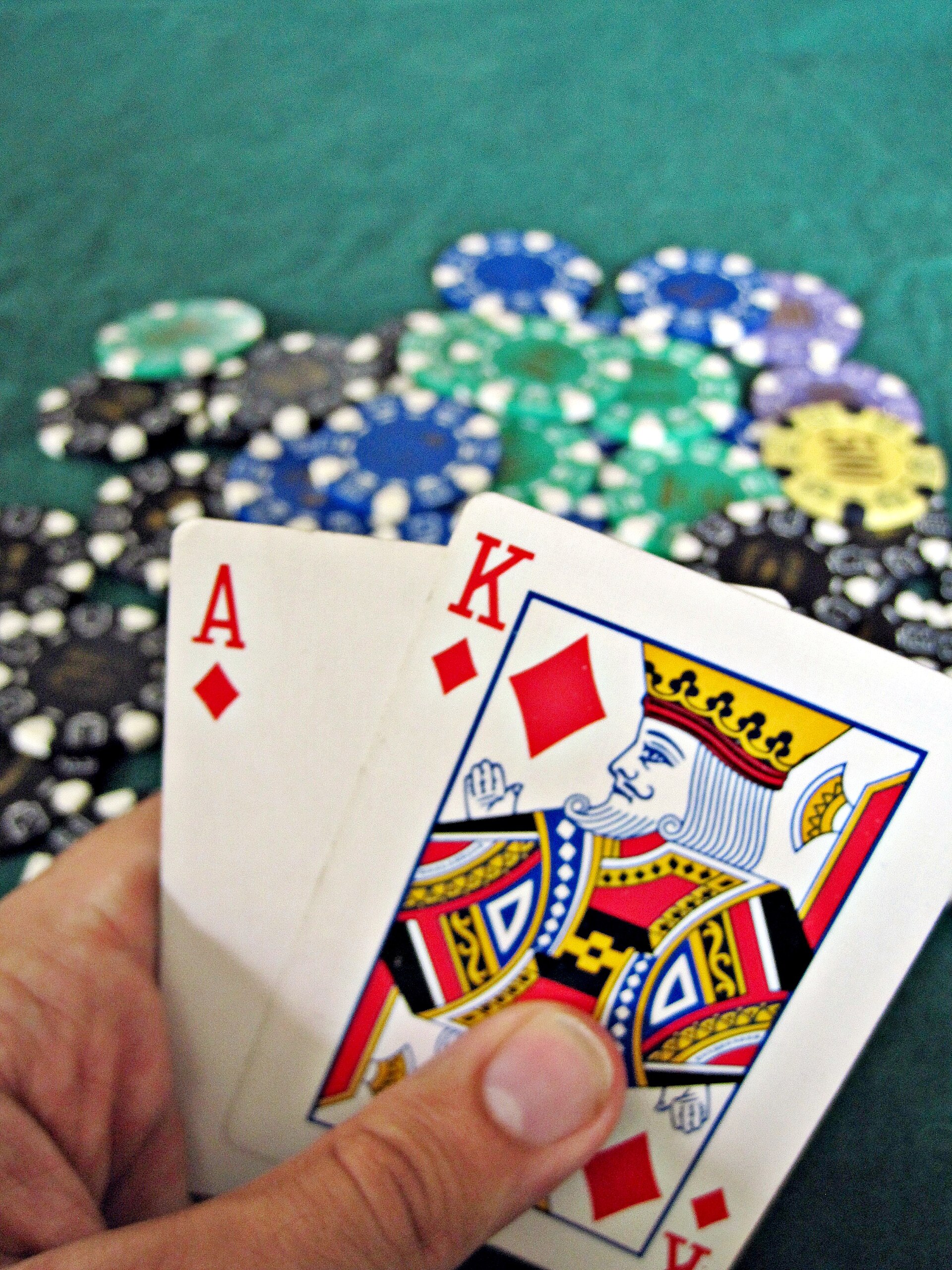
A cruise line gave a man five holidays for gambling in its casinos. Then it took them back, on the view that he was gambling the wrong way, and told him in person at the terminal. Whether it was entitled to do that hasn’t been decided. What has been decided is that he gets to ask.
For everyone else the lesson is simpler. Cruise casino perks are the house being generous on the house’s terms. Enjoy the free cruise, but don’t treat it as yours until the ship leaves port.
Cruise Chaos earns nothing from cruise lines or casinos, and we don’t run booking affiliate links. Royal Caribbean has not publicly commented on the case in any coverage we found. If we’ve got something wrong here, tell us and we’ll correct it in the open.
Coming up on Cruise Chaos: more chaos from the high seas, whatever the ocean, the weather and several thousand people on holiday come up with next.
🎁 Get our free Cruise Survival Kit. Join the Cruise Chaos crew and we’ll email you our printable packing checklist and money-saving cheat sheet right away, plus the week’s best cruise stories and verified deals every Friday. Send me the free kit →
Got a cruise story like this?
Something wild, strange or funny happened on your sailing? Tell us what happened. We read every story, fact-check it, and email you before anything is published.
Keep Reading
- A Joke, a Nightclub, 13 Charges: The Costa Smeralda Brawl and the Law at Sea
- Going Viral on a Cruise: What the Conduct Policy Actually Says
- “They Took My Balcony Handle”: What Carnival Actually Does When a Guest Drinks Too Much
Sources
- Mark Timothy Grant v RCL Cruises Ltd t/as Royal Caribbean Cruises [2026] QCATA 137 (Queensland Judgments)
- Cruise Passenger: High Roller Takes Royal Caribbean to Court Over Cruise Ban
- Cruise Mummy: Royal Caribbean Passenger Takes Cruise Ban Dispute to Tribunal Over Card Counting Allegation
- GamblingNews: Aussie Casino Player Banned from Royal Caribbean over “Card Counting”
- TheTravel: Royal Caribbean Guest on the ‘No Sail Ban’ List
- Royal Caribbean: Club Royale Rewards Program Terms and Conditions (PDF)
- Royal Caribbean: Casino Certificates Terms and Conditions
- Royal Caribbean: The Dos and Don’ts of Casino Etiquette
- ABC News: Gamblers accused of cheating in casino card game on Gold Coast win fight against Star (2022)
- Uston v. Resorts International Hotel, Inc., 89 N.J. 163 (1982) (Justia)
- Uston v. Resorts International Hotel, Inc., 445 A.2d 370 (edited opinion text, Marquette University Law School, PDF)
- Wikipedia: Card Counting
- Wikipedia: Ivey v Genting Casinos
- Wikipedia: Quantum of the Seas
You May Also Like
 It Rained Inside Anthem of the Seas: Why Cruise Ships Keep Springing Indoor Waterfalls
 They Came Back From a Cruise to a Car Full of Baby Spiders. Nobody Owes Them a Thing.
 Fake ‘Captain Has Lost Control’ Alert: How Six Passengers Got on MSC Divina’s PA
 “Where’s My $1,100?” The Cruise Hot Tub Showdown and the Booking Trap Behind It