
How we work: facts are checked against original sources and linked, cruise prices are verified on the cruise line’s own website the day we publish, and we earn no commissions. Spotted a mistake? Tell us and we will correct it.
Most cruise advice is about mistakes you make: turning up late, packing a contraband iron, blowing the budget on day two. This isn’t that list. These are the ten things that go wrong at you — the storm, the outbreak, the blocked shipping lane, the bag that never arrives — and what you can actually do about each one.
The good news is that almost none of them ruin a holiday on their own. What ruins holidays is not knowing how the system works when they happen: what the cruise line owes you, what insurance covers, and which twenty-minute job before you sail saves you the whole mess.

1. A Storm Rewrites Your Itinerary
The most common nightmare, and the one passengers are angriest about, is the port that simply disappears from the schedule. Captains reroute around weather constantly, and a cruise contract sells you transport by sea with a list of destinations attached in pencil — not a guarantee of any particular place.
What you’re owed: refunds for excursions booked through the line, usually the port taxes and fees for the port you missed, and rarely anything else. Not your fare. In the UK and EU, a significant change made before you sail can give you the right to cancel; US ticket contracts generally don’t.
Protect yourself: book the ship you’d enjoy even if it never docked, and if one port is the entire point of the trip, fly there instead. Full detail in our guide to what you’re actually owed when a cruise skips a port.
2. Norovirus Sweeps the Ship
A cruise ship is a floating village where thousands of people touch the same handrails, lift buttons and serving tongs. Norovirus needs almost nothing to spread, survives on hard surfaces for days, and shrugs off alcohol hand gel.
It is not rare. On AIDAdiva’s 133-day world cruise in late 2025, the CDC’s Vessel Sanitation Program recorded 106 of 2,007 passengers (5.3%) and 8 of 640 crew reporting diarrhoea and vomiting, with norovirus confirmed as the cause. The VSP publishes an outbreak once 3% or more of passengers or crew report symptoms, so the ones that make the news are only the larger ones.

What you’re owed: usually nothing. Lines treat illness as a medical matter, not a service failure. Some offer a pro-rata credit for nights spent confined to a cabin, but it’s goodwill and you have to ask.
Protect yourself: wash with soap and water rather than relying on gel, report symptoms early instead of hiding them, and keep the ship’s medical receipts for your insurer. More in our piece on the AIDAdiva outbreak and how ships handle them.
3. The Ship Can’t Leave Port
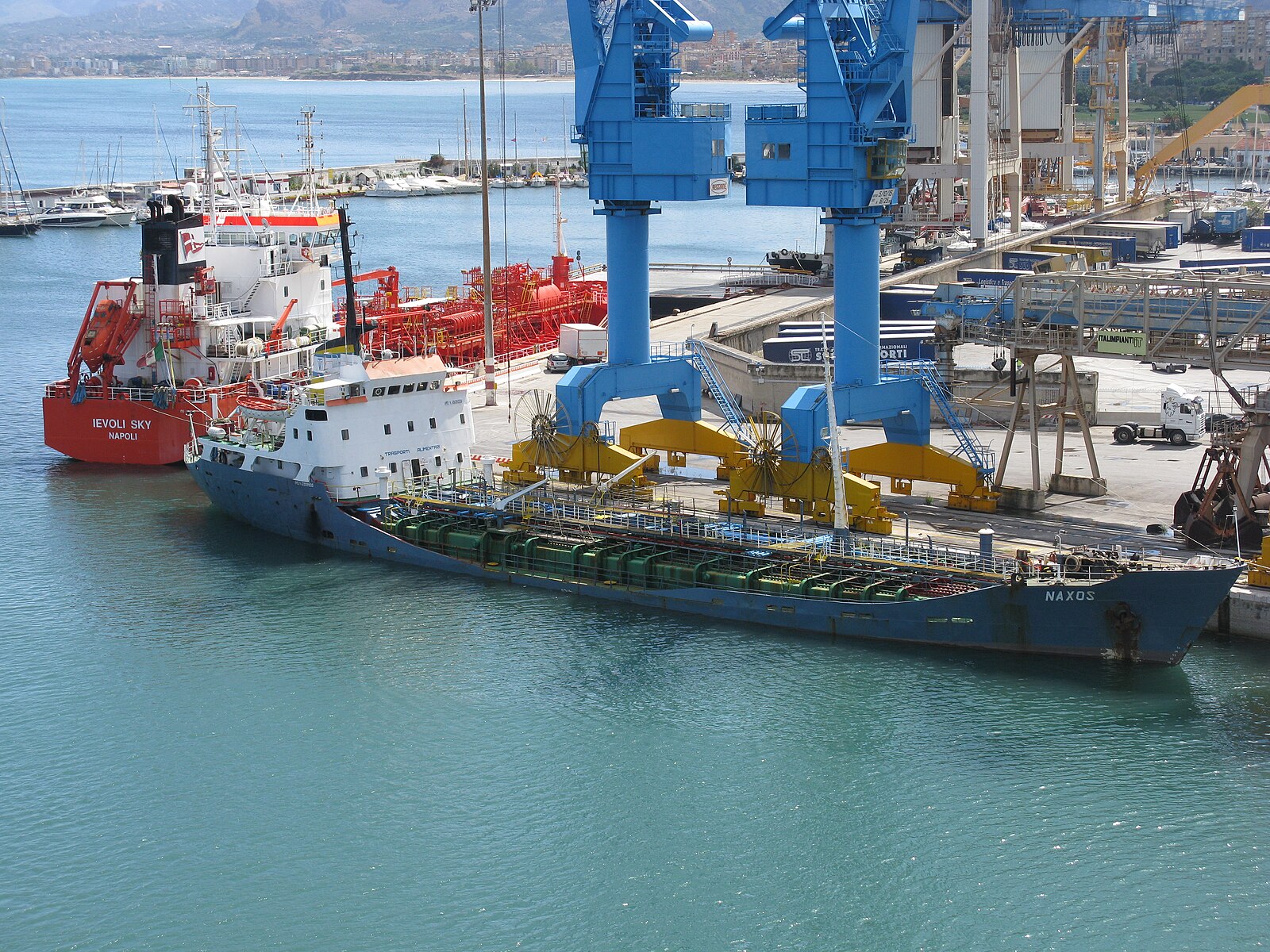
Occasionally the obstacle is outside the ship entirely. On the evening of 6 December 2025 the cargo vessel Baltic Klipper lost 16 containers in the Solent near the Nab Tower — eight of bananas, two of plantains, one of avocados and five empty. With partly submerged steel drifting in a busy channel, P&O’s Iona, carrying around 5,200 passengers, stayed alongside in Southampton overnight rather than risk a night-time departure. She sailed the following evening.
What you’re owed: usually nothing, if the itinerary is still delivered. You keep your cabin, meals and bars while alongside. Iona kept every scheduled port because the voyage opened with sea days the ship could use to make up time.
Protect yourself: nothing you can do on the day — but this is why a same-day flight home at the end of a cruise is a bad bet.
4. The Ship Breaks Free of Its Moorings
Rarer and more alarming: a ship alongside in high winds can snap its lines. It happened to AIDAperla at Le Havre, and it happens more often than most passengers realise, because a cruise ship’s hull is essentially an enormous sail.
What you’re owed: depends entirely on the damage. Inspections can cancel sailings outright, in which case you’re into refund-or-credit territory.
Protect yourself: travel insurance that names itinerary changes and trip interruption. Our explainer on why ships keep breaking free from the dock covers the mechanics.
5. You’re Left Behind in Port
All-aboard time is typically 30 to 60 minutes before departure, and it is in local time, which is not always ship time. Ships genuinely do leave without people, and the consequences range from an expensive taxi to the next port to something far worse — as the case of a passenger left behind during a shore excursion on Lizard Island showed.
What you’re owed: nothing, unless you were on an excursion booked through the cruise line — in which case the ship waits, or the line gets you to the next port. That difference is the entire argument for ship-run tours in remote places.
Protect yourself: write the all-aboard time down, set a phone alarm, and carry your passport and a card when ashore.
6. Your Luggage Doesn’t Arrive
Fly in on the morning of departure with a tight connection and your bag has its own adventure. Ships don’t wait for suitcases, and buying a week’s clothing in a port shop is both expensive and limited.
Protect yourself: fly in a day early, carry medication, documents, chargers and a swimsuit in your hand luggage, and put a tracker in the case. Even when the ship’s own delivery is on time, checked bags often don’t reach cabins until evening.
7. A Mechanical Problem Cuts the Cruise Short
Propulsion faults, stabiliser trouble and technical issues do occasionally shorten or cancel voyages. This is the one nightmare where compensation is usually generous, because the line has failed to deliver the product.
What you’re owed: typically a pro-rata refund for lost days plus a future cruise credit, sometimes flights home. Get the line’s offer in writing before you disembark.
8. Seasickness Flattens You
Most people are fine. Modern ships have stabilisers and mostly sail calm routes. But if you’re susceptible, a rough crossing can cost you days.
Protect yourself: book a midship cabin on a lower deck where movement is least, talk to your doctor about remedies before you travel, and don’t wait until you feel ill to start treatment.
9. A Medical Emergency at Sea
The ship’s medical centre is a private clinic that bills you, and it is not covered by most domestic health plans. If you need evacuating from the middle of an ocean, the cost is in a different league entirely.
Protect yourself: this is the single strongest argument for proper travel insurance. Check that your policy explicitly covers medical treatment at sea and repatriation, not just trip cancellation.
10. The Final Bill Is Hundreds More Than You Expected
Not a disaster, but the nightmare passengers report most often. Drinks, wi-fi, speciality dining, the spa, the casino and automatic daily gratuities accumulate invisibly because nothing involves handing over money.
Protect yourself: check your onboard account in the app every couple of days rather than reading a novel-length bill on the last night, and budget for daily service charges from the start — most lines add them per person, per day.
What You’re Actually Owed: The Short Version
| What went wrong | Typical entitlement |
|---|---|
| Port skipped | Ship-booked excursions refunded, usually port taxes and fees |
| Itinerary changed before sailing | UK/EU: right to cancel for significant changes. US: normally nothing |
| Departure delayed, itinerary intact | Nothing — you keep cabin, meals and bars |
| Cruise cut short (mechanical) | Pro-rata refund plus future cruise credit |
| Illness onboard | Nothing by right; goodwill credit sometimes offered |
| Left behind, independent tour | Nothing — your cost to catch up |
| Left behind, ship’s excursion | Line gets you to the next port |
Quick Answers
Can I get a refund if my cruise itinerary changes?
Rarely for your fare. You get excursions booked through the line refunded and usually the missed port’s taxes and fees. In the UK and EU a significant change before departure can let you cancel and be refunded; US ticket contracts generally reserve the right to change the itinerary at any time.
How common are norovirus outbreaks on cruise ships?
Common enough that the CDC publishes them. Its Vessel Sanitation Program lists an outbreak once 3% or more of passengers or crew report gastrointestinal illness, and it recorded more than twenty cruise ship outbreaks in 2025 alone, most confirmed as norovirus.
Does travel insurance cover missed ports?
Only if the policy says so. Standard cancellation cover usually won’t pay for an itinerary change, but policies that name missed port calls, trip interruption or itinerary changes do. Read that section before buying, and keep every receipt.
What happens if the ship leaves without me?
Getting to the next port is your responsibility and your expense — unless you were on an excursion booked through the cruise line, in which case the ship normally waits or the line arranges your travel. The port agent can help with logistics, but not with the bill.
The Bottom Line
Almost every item here comes down to three habits: buy insurance that names the specific things that go wrong on ships, build a buffer day at each end so a delay costs you a hotel night rather than a holiday, and treat the itinerary as an intention rather than a promise.
Do that and the nightmare list shrinks to what it should be: a bonus sea day, a slightly emptier pool, and a story worth telling.
Sources
- CDC Vessel Sanitation Program — AIDAdiva, November 2025 outbreak report
- CDC Vessel Sanitation Program — outbreaks on cruise ships
- Cruise Mummy — Iona departure delayed after banana cargo spill
- Cruise Hive — Cruise ship held up in Southampton after overboard containers
🎁 Get our free Cruise Survival Kit. Join the Cruise Chaos crew and we’ll email you our printable packing checklist and money-saving cheat sheet right away, plus the week’s best verified cruise deals every Friday. Send me the free kit →
Keep Reading
- What Happens When a Cruise Ship Skips a Port? Here’s What You’re Actually Owed
- First Cruise Guide: Everything to Know Before You Sail
- 10 Cruise Ship Mistakes That Can Ruin Your Vacation


