
How we work: facts are checked against original sources and linked, cruise prices are verified on the cruise line’s own website the day we publish, and we earn no commissions. Spotted a mistake? Tell us and we will correct it.
Somewhere between Turkey and Naples, before breakfast, the speakers crackled.
The news they delivered was about as bad as news at sea gets: the captain had lost control of the ship, and the ship was adrift.
It wasn’t true. The captain was fine. The ship was fine. The 139,072-ton MSC Divina was steaming towards Naples exactly as planned. The announcement had come from two passenger cabins, and Italian police say it was the work of six guests who had got into the ship’s public-address system.
Some of the people who heard it did the sensible thing and phoned the Italian Coast Guard. Which is how a bad joke turned into a police matter.
The story went round the world as “passengers hack cruise ship”. The record is odder than that, and more useful. Nobody has explained how six guests got on the microphone, and the cruise line insists nothing was hacked.
What Happened Aboard MSC Divina
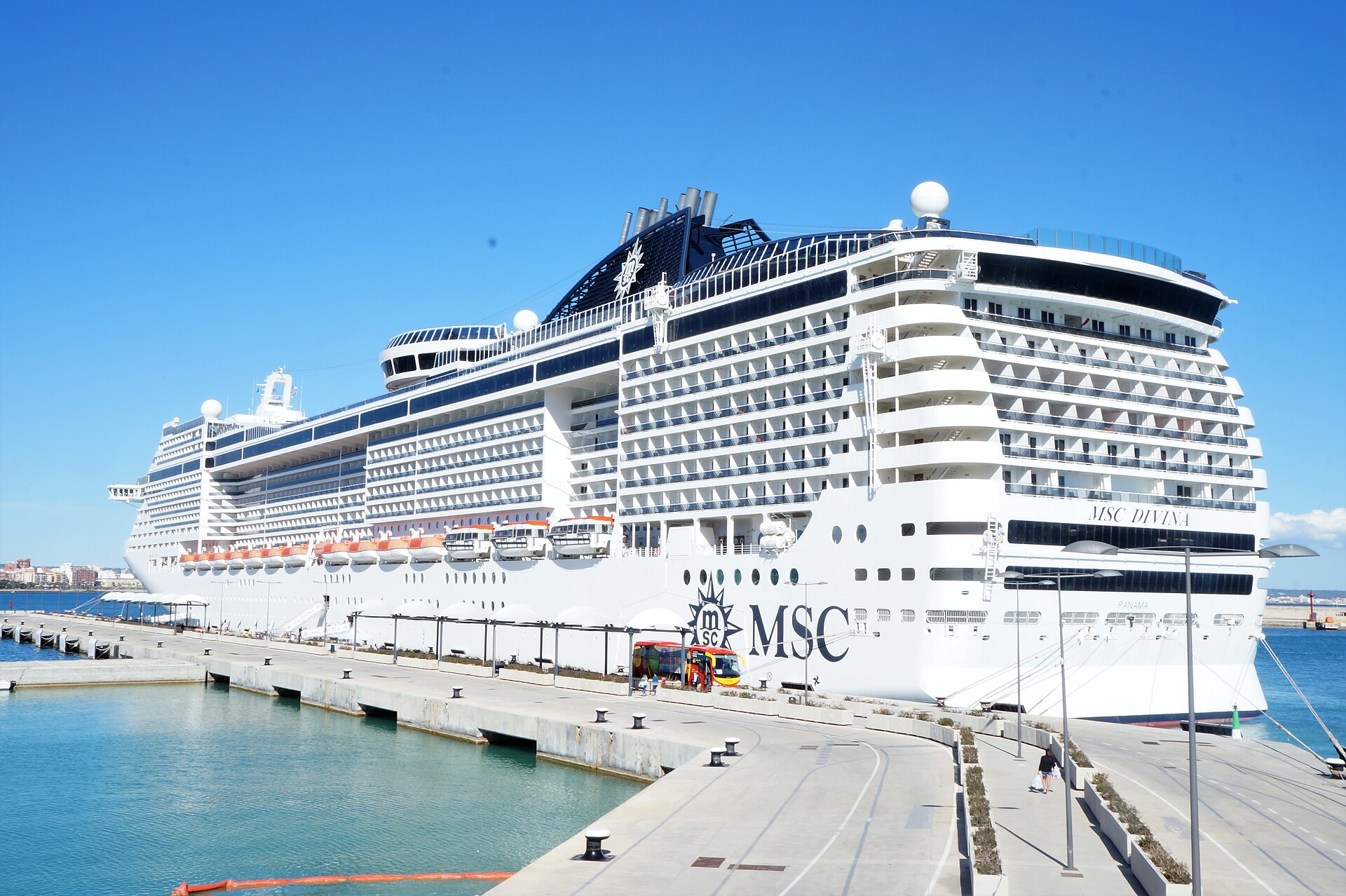
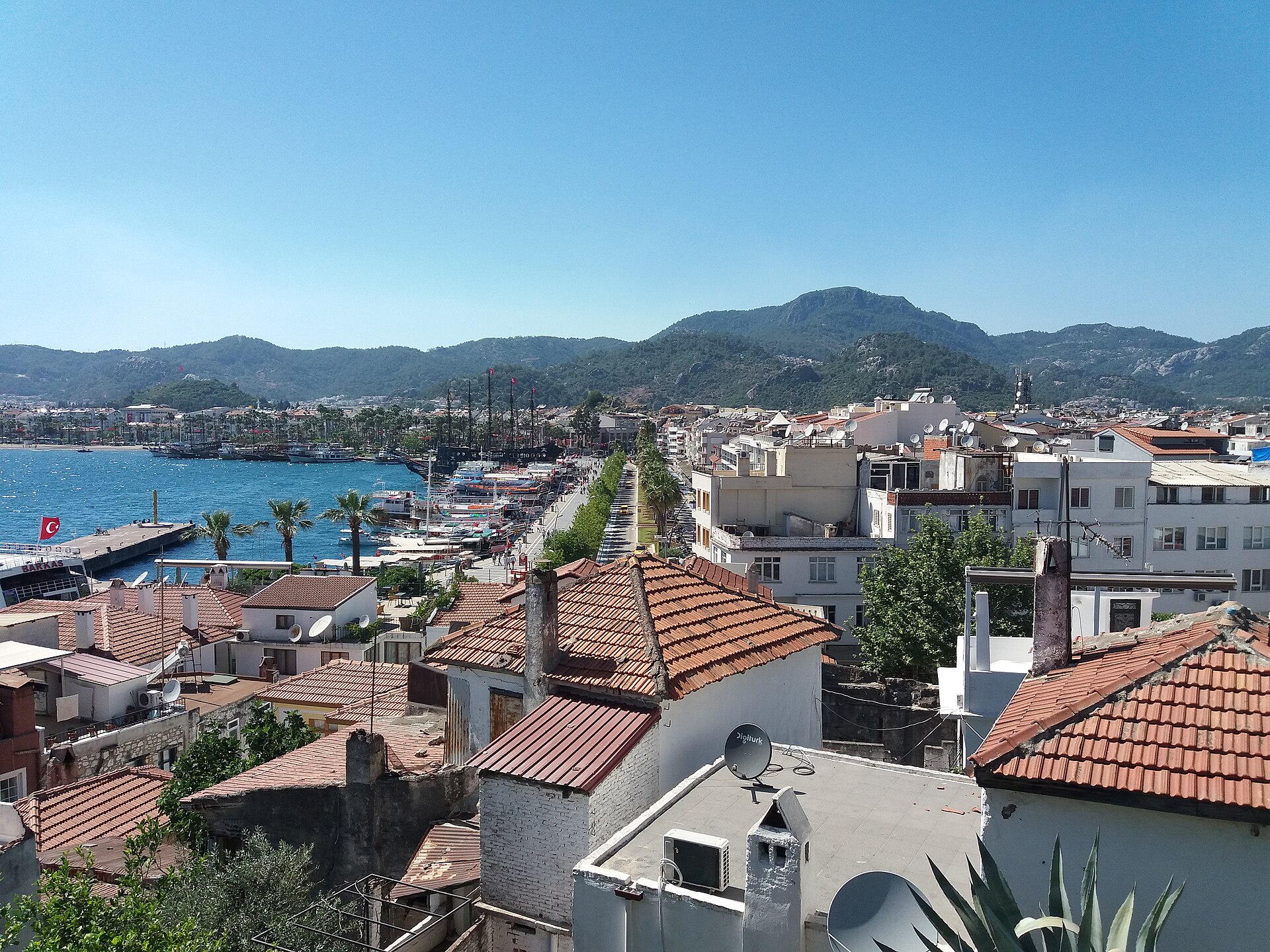
MSC Divina was on the overnight run from Marmaris, Turkey to Naples on July 29–30, 2026. She’s a big ship: 3,502 passengers and 1,388 crew at full capacity, according to her specifications, and flagged in Panama.
Here is what the Italian reports say. Six adult Italian passengers, staying in two cabins, got unauthorised access to the system that runs the ship’s internal announcements. They then broadcast audio into the public areas of two decks, causing “panic and concern” among passengers and crew, Salerno24 and Il Gazzettino Vesuviano reported. Neither report named the ship; MSC’s own statement later confirmed it.
The message itself, per Cruise Law News and Germany’s MS Aktuell: the captain had lost control of the vessel, and the ship was adrift. Cruise Fever goes further, reporting that the group also claimed “a shipwreck was imminent”. That detail appears in only one report we could read, so treat it with care.
Around 6:30 a.m., according to the Italian reports, passengers called the operations centre of the Coast Guard’s general command in Rome. On board, the captain went on the real PA, told guests the earlier announcements were false and apologised for the disruption. No injuries were reported.
When Divina docked in Naples, officers from the Naples Coast Guard and the Border Police came aboard. According to CruiseMapper, they traced the broadcasts back to the two cabins after the captain filed a formal complaint. It adds that the findings will be shared with Panama, the flag state.
One small wrinkle shows how messy the coverage was. The captain is named as Vincenzo Cilento in one report and Gabriele Russo in another. We couldn’t settle it, so we haven’t named him.
“Arrested”? “Hacked”? What’s Actually on the Record
Within days the story had been retold in several languages, and it grew with each retelling. Here is the headline version next to what the sources we read can actually support:
| The headline version | What the record supports |
|---|---|
| “Six passengers arrested” (Germany’s t-online headline says “Festnahmen”, arrests) | The Italian reports use denunciati: reported to the judicial authority, not arrested. Cruise Addicts says it could not confirm their legal status and tells readers to treat “arrested” cautiously. |
| “Passengers hack cruise ship” | MSC confirmed “an unauthorized announcement” but said the ship’s systems, “including computer systems”, were never “hacked or compromised”. The Italian allegation is accesso abusivo a sistema informatico, unauthorised access to a computer system. That isn’t necessarily the same thing as breaking into it. |
| “Panic across the ship” | The broadcasts reached public areas on two decks, not the whole ship. |
| “They were charged” | Two alleged offences: unauthorised computer access and procurato allarme, causing a false alarm. These are allegations. Nobody has been convicted, and the six have not been named. |
| How they did it | Not established. Italian investigators were still examining the “technical methods” used, Salerno24 reported, and MS Aktuell notes the question of access “remained open”. |
So what are they potentially facing? Under the Italian penal code, Article 615-ter punishes anyone who “abusively” enters a computer system “protected by security measures” with up to three years in prison. Aggravated versions carry much more. Article 658, which covers announcing “non-existent disasters, accidents or dangers” that alarm the authorities, carries up to six months’ arresto or a fine of €10 to €516.
That second number deserves a moment. Under the letter of the law, telling a ship’s worth of people at sea that nobody is steering the ship can cost as little as ten euros. We’d bet on the lawyers’ bill being bigger.
Why Could Passengers Reach the Microphone at All?
This is the part nobody else explained, and it clears up why “hacked” and “not hacked” can both sound true.
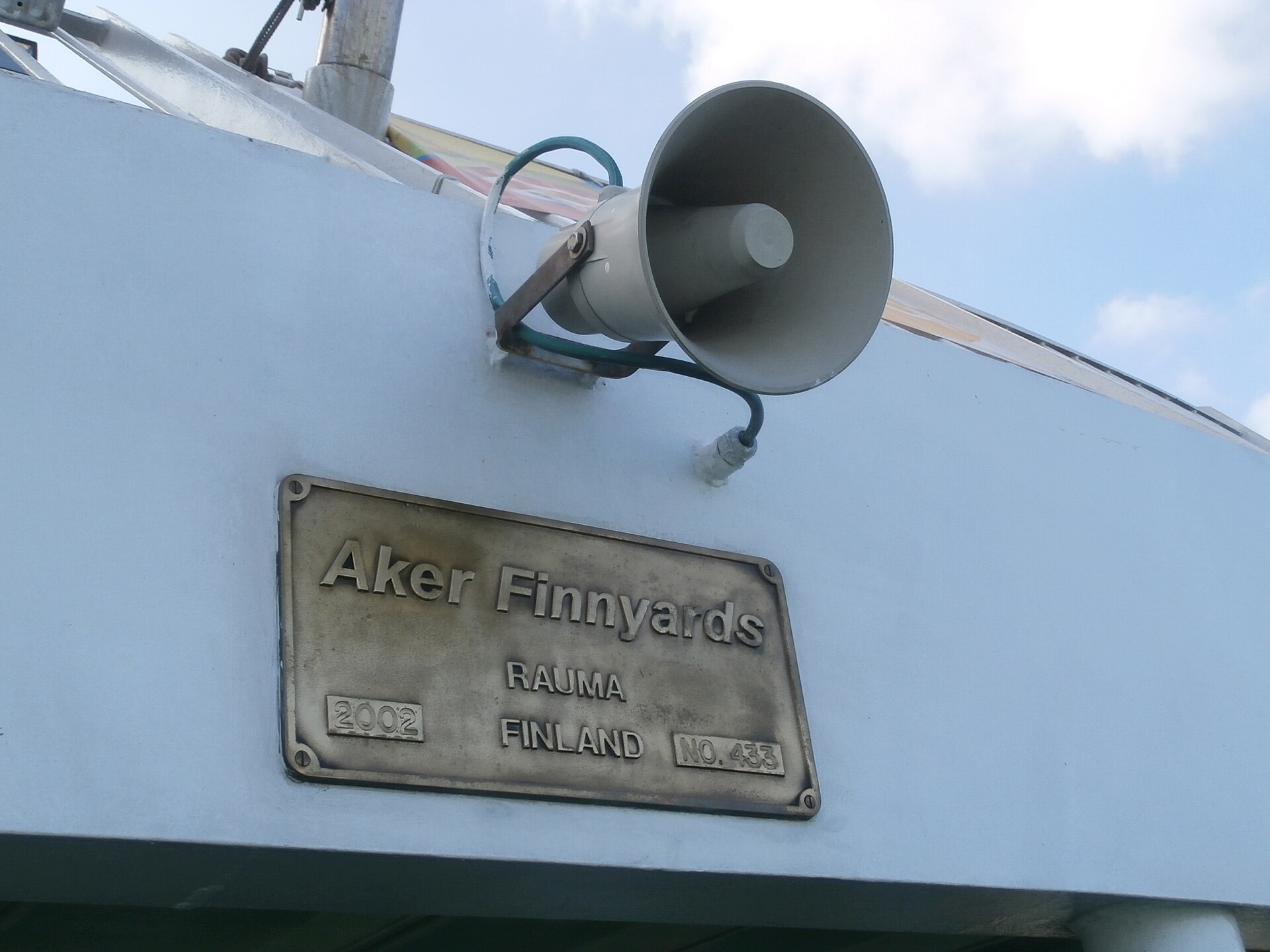
A ship’s PA is no longer one microphone on the bridge wired to some speakers. Modern systems are called PA/GA (public address and general alarm), and they run over the ship’s computer network. Take Zenitel’s Exigo, a system sold for cruise ships. Its maker lists support for “up to 250 PA zones” and “up to 150 IP access panels”, and says it plugs into the ship’s IP telephone exchange, fire alarm and foghorn. We don’t know what system Divina uses. The point is the design: lots of places to speak from, lots of zones to speak to.
Two things follow from that:
- Zones explain the “two decks”. A zoned system lets an announcement go to one area rather than the whole ship. That fits with reports that only two decks heard it, though nobody has confirmed that’s the reason.
- More ways in means more to lock. A networked system with many access points can be misused without being “hacked” in the Hollywood sense. A reachable access point or a misconfigured link would do it. That fits both MSC saying no system was compromised and Italian prosecutors alleging unauthorised access. We stress: this is how such systems work, not a finding about what happened on Divina. That hasn’t been made public.
The rules are catching up, slowly. Since 2021 the International Maritime Organization has expected shipping companies to include cyber risk in their safety management systems, under Resolution MSC.428(98). The first hard, class-society rules on the cyber resilience of the ship and its equipment, known as IACS UR E26 and E27, only apply to new ships contracted for construction on or after 1 July 2024. Speedcast confirms the date. MSC Divina entered service in 2012. Like most of the ships sailing today, she was designed before those rules existed.
How to Tell a Real Emergency From a Fake One
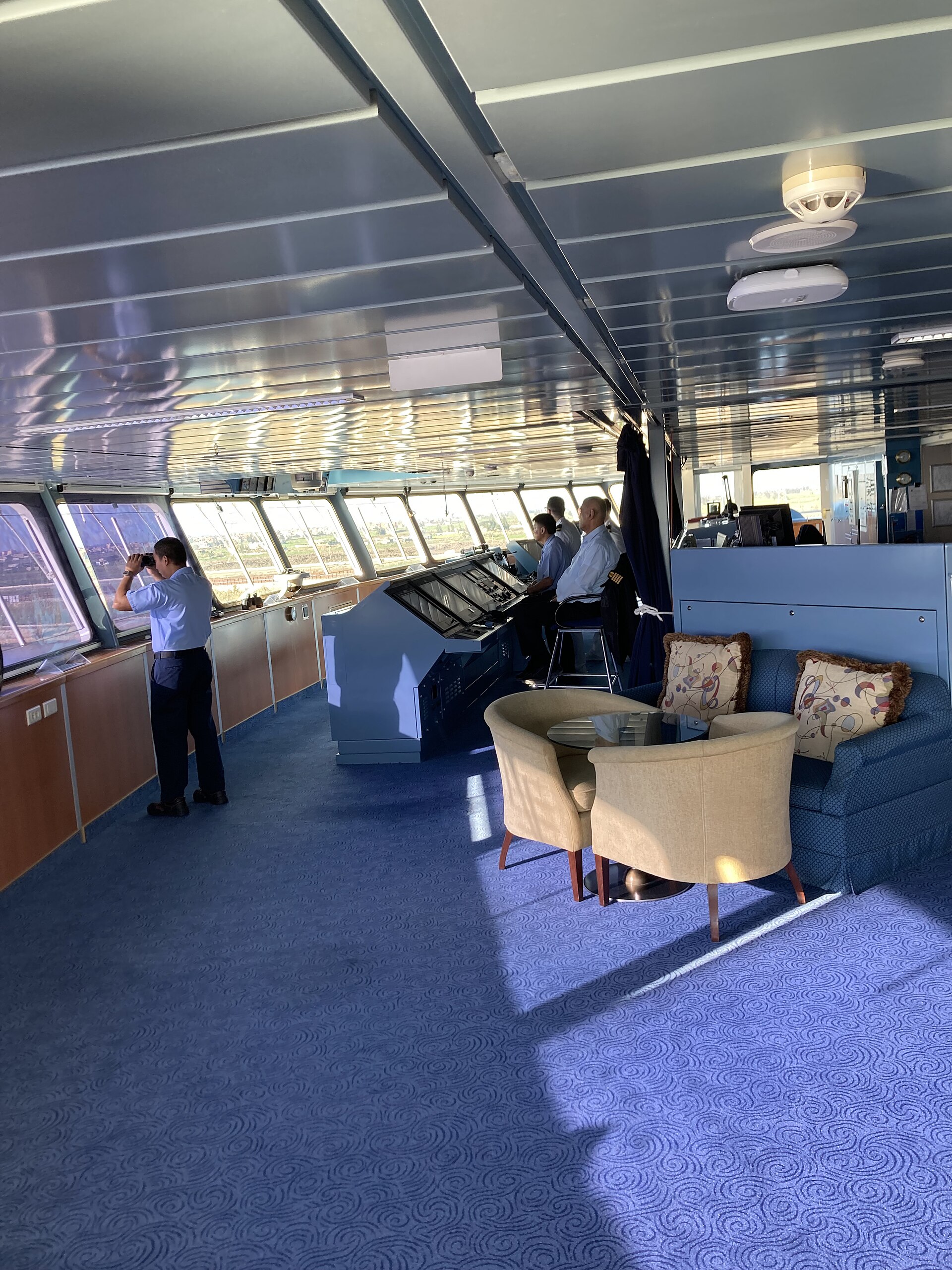
What should the passengers on those two decks have made of it? Here’s the useful bit. Real shipboard emergencies have a signature that a voice on a speaker can’t fake on its own.
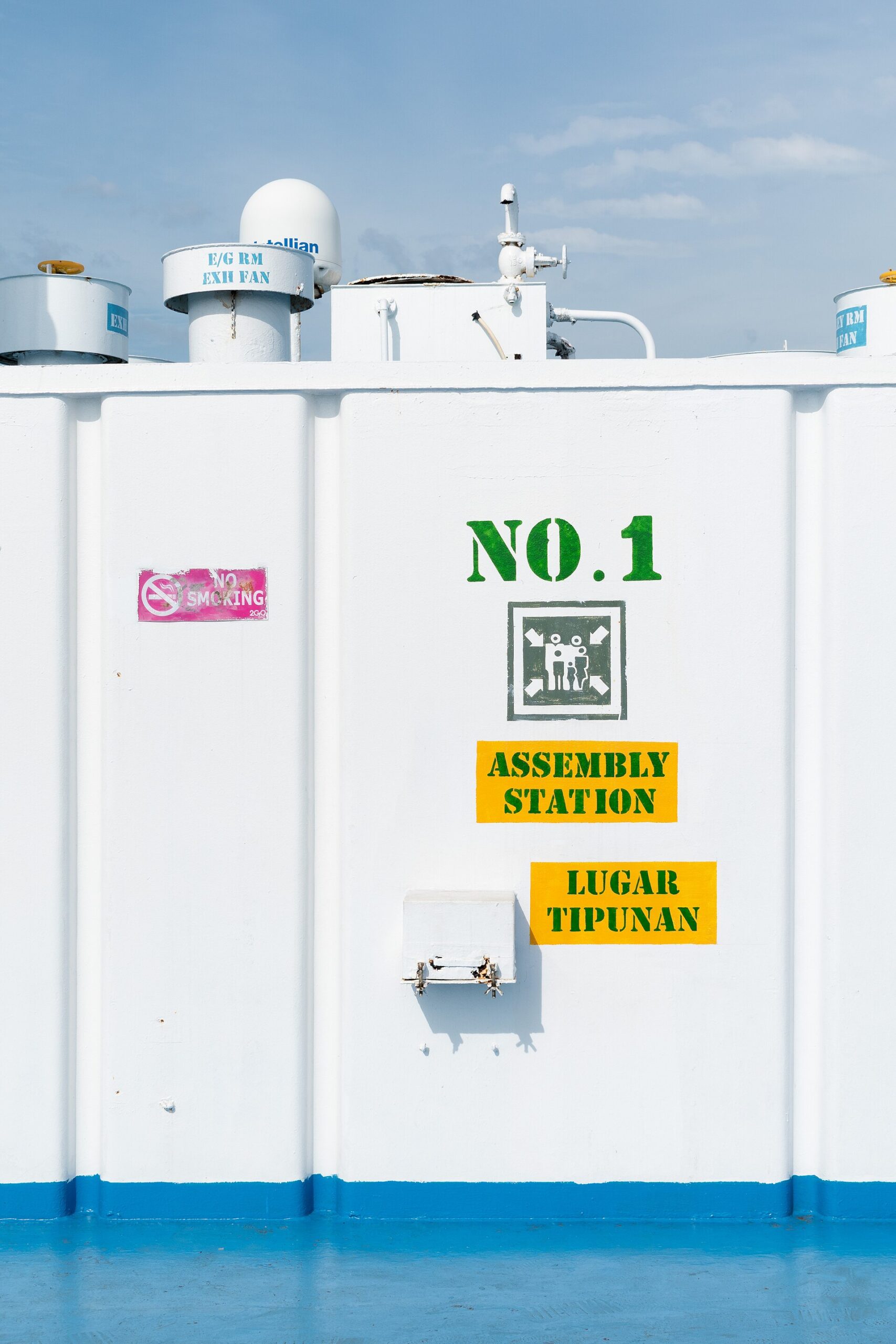
The general emergency alarm is seven or more short blasts followed by one long blast, sounded on the ship’s whistle and its internal alarm system. It’s set out in the IMO’s Life-Saving Appliances Code under SOLAS (section 7.2.1.1). It’s what you heard, or should have heard, at your muster drill. Celebrity Cruises’ own guidance tells guests that when it sounds, they should go back to the stateroom if they can, grab warm clothes and essential medication, pick up the life jacket, and head “straight to your muster station”. If you can’t get back to your cabin, a life jacket will be provided at the station.
A bulletin announcing doom, without the alarm, from nowhere in particular, at dawn, on two decks, is not how a ship tells 3,500 people that something is wrong. A real emergency comes with the alarm, crew moving to their stations, and instructions that tell you what to do rather than just how to feel.
The timing of all this is neat. This week, Carnival is running full, in-person muster drills on five ships between September 26 and 28: Carnival Horizon, Panorama, Sunshine, Vista and Firenze. The line’s brand ambassador John Heald explained it’s something “every single ship needs to do twice a year” under Coast Guard rules and SOLAS. Most sailings now use an app-and-video “e-muster”, and it’s easy to tap through it half-watching. Divina is the case for paying attention.
What to Do If Your Ship’s PA Says Something Terrifying
- Listen for the alarm, not just the voice. Seven-plus short blasts and one long one means go to your muster station. No alarm plus an alarming voice means it’s time to find out more, not to panic.
- Know your muster station before you need it. It’s on your cruise card or keycard, the back of your cabin door and the cruise line’s app. Walk the route on day one.
- Find a crew member or call guest services. The crew are trained for emergencies and will know within seconds whether something is real. On Divina, the real correction came from the bridge over the same speakers.
- If you genuinely believe lives are at risk, calling the coast guard isn’t wrong. Nobody should be criticised for raising the alarm about a message like that. Tell them exactly what you heard and where.
- Don’t forward the clip before it’s confirmed. A video of a fake announcement spreads faster than the correction that follows it.
- And if you’re tempted to be the funny one: don’t. The six on Divina were met in Naples by the Coast Guard and the Border Police. On our Costa Smeralda brawl story we explained how Italian law reaches passengers at sea and how cruise lines’ Do Not Sail lists work. A fake emergency is about the fastest route onto both.
The Bottom Line
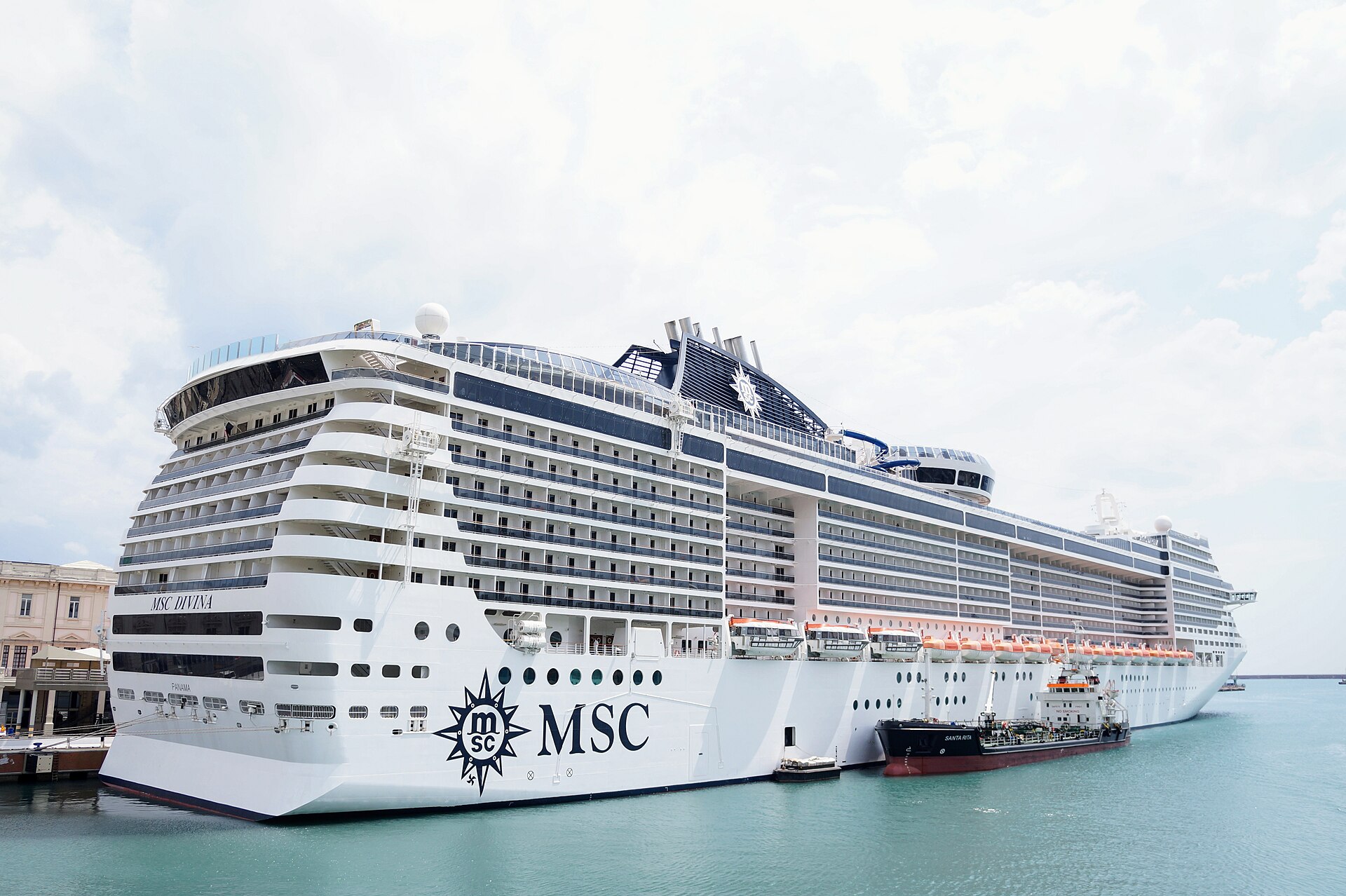
For one bizarre morning in July, a cruise ship full of people was told nobody was in charge. In fact, the crew was entirely in charge, and they spent the rest of the morning tracing a microphone back to two cabins.
The prank itself is the least interesting part of the story. What matters is that a public-address system built to save lives in an emergency could, apparently, be reached by passengers. The cruise line says nothing was hacked, the investigators say access was unauthorised, and nobody has yet explained how it was done. Until someone does, remember the seven short blasts and one long one. A voice on the speakers can be faked. The general alarm and a crew that knows what it’s doing are much harder to fake.
Cruise Chaos earns nothing from cruise lines, ports or equipment makers, and we don’t run booking affiliate links. If we’ve got something wrong here, tell us and we’ll correct it in the open.
Coming up on Cruise Chaos: more chaos from the high seas, whatever the ocean, the weather and several thousand people on holiday come up with next.
🎁 Get our free Cruise Survival Kit. Join the Cruise Chaos crew and we’ll email you our printable packing checklist and money-saving cheat sheet right away, plus the week’s best cruise stories and verified deals every Friday. Send me the free kit →
Got a cruise story like this?
Something wild, strange or funny happened on your sailing? Tell us what happened. We read every story, fact-check it, and email you before anything is published.
Keep Reading
- A Joke, a Nightclub, 13 Charges: The Costa Smeralda Brawl and the Law at Sea
- “They Took My Balcony Handle”: What Carnival Actually Does When a Guest Drinks Too Much
- Snap, Drift, Crunch: Why Cruise Ships Keep Breaking Free From the Dock
Sources
- Salerno24: Accesso abusivo al sistema di comunicazione interno e procurato allarme, sei ragazzi denunciati (Italian)
- Il Gazzettino Vesuviano: Annunci abusivi sull’interfono di una nave da crociera, sei giovani denunciati (Italian)
- Cruise Law News: Six MSC Divina Passengers Face Charges After Unauthorized PA Announcements
- CruiseMapper: 6 Passengers Reported After Unauthorized PA Announcements Aboard MSC Divina
- MS Aktuell: Falscher Alarm auf MSC Divina, Ermittlungen gegen sechs Männer (German)
- t-online: “Kapitän hat Kontrolle verloren” (German)
- Cruise Fever: Passengers Hack MSC Cruise Ship’s PA System With Fake Emergency Messages
- Cruise Addicts: Fake Emergency Announcement on MSC Divina Leads to Passenger Investigation in Naples
- Italian Penal Code, Art. 615-ter (Brocardi)
- Italian Penal Code, Art. 658 (Brocardi)
- Zenitel: Exigo Networked IP PA/GA
- International Maritime Organization: Maritime Cyber Risk
- IACS: Addressing Cyber Resilience of Ships (UR E26 and E27)
- Speedcast: Cybersecurity IACS E26 and E27
- Wikipedia: General Emergency Signal
- Celebrity Cruises: Muster Stations and Drills
- Cruise Hive: Carnival Brings Back Full Muster Drills on 5 Ships This Week
- Wikipedia: MSC Divina (ship specifications)
You May Also Like
 “Where’s My $1,100?” The Cruise Hot Tub Showdown and the Booking Trap Behind It
 A Joke, a Nightclub, 13 Charges: The Costa Smeralda Brawl and the Law at Sea
 It Rained Inside Anthem of the Seas: Why Cruise Ships Keep Springing Indoor Waterfalls
 “They Took My Balcony Handle”: What Carnival Actually Does When a Guest Drinks Too Much