

How we work: facts are checked against original sources and linked, cruise prices are verified on the cruise line’s own website the day we publish, and we earn no commissions. Spotted a mistake? Tell us and we will correct it.
In November 2025, Royal Caribbean signed a loan agreement for a cruise ship that does not yet have a name.
It is the fourth ship in the Icon class. It will carry about 5,600 people. It is due out of a Finnish shipyard in 2027. And the maximum the company can borrow against it is 2.1 billion euros — roughly $2.4 billion.
That is the loan. Not the price.
Because these deals cover about 80% of what a ship costs, that single line in an annual report tells you something the cruise lines never put in a press release: the next Icon-class ship is on the hook for somewhere around 2.6 billion euros, or close to $3 billion.
Six years ago, the same shipyard was building the same class of ship for about a third less.
How Much Does a Cruise Ship Cost to Build?
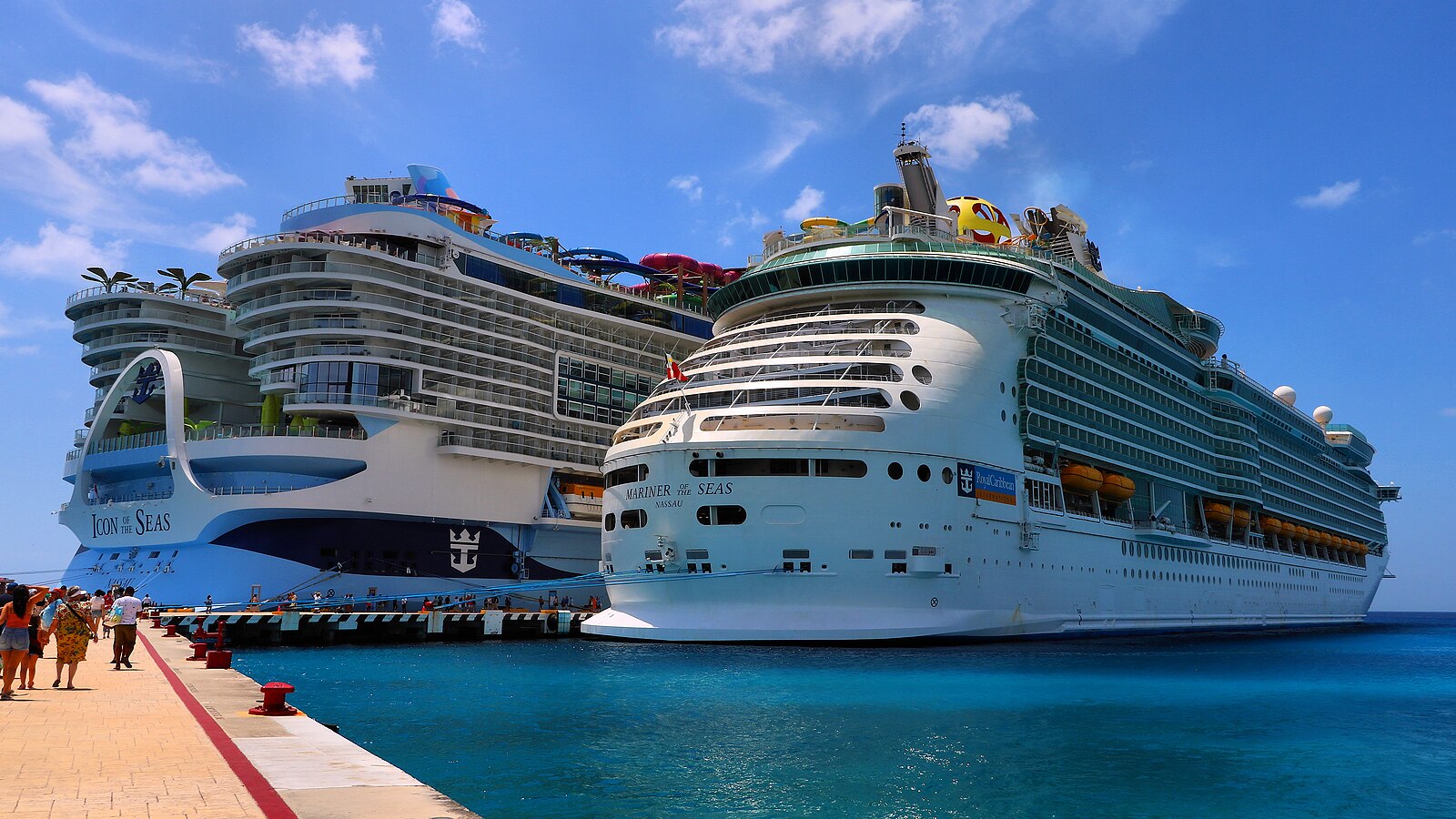
A large modern cruise ship costs roughly $1 billion to $3 billion to build. A 5,000-plus berth megaship signed today runs around 2.1 to 2.6 billion euros ($2.4–$3 billion), a mid-sized premium ship around 1 billion euros, and a small luxury ship 400 to 500 million euros. Expressed per bed — the number the industry actually thinks in — that works out at roughly $330,000 to $470,000 for every passenger the ship can sleep.
Nearly every article you’ll find on this quotes a round number and moves on. “Icon of the Seas: $2 billion.” Fine. But where does that come from, and is it right?
Cruise lines almost never publish what they paid. Shipyards don’t either — Fincantieri’s announcement of three enormous new Princess ships in April 2026 described the deal only as “very important,” a code word its own house style defines as a contract worth more than 2 billion euros. Princess repeated the same phrasing. Three ships, 4,700 guests each, and not one actual figure between them.
There is, however, one place the numbers leak: the loan agreements. Publicly traded cruise lines have to describe their ship financing to the US Securities and Exchange Commission, and those filings state both the maximum loan amount and the percentage of the contract price it represents. Do the division and you get a price.
What the Filings Actually Show
Every one of these loan ceilings comes from Royal Caribbean’s annual report filed with the SEC. Each facility is described in the filing as covering “approximately 80% of the ship’s contract price,” so the implied price is the loan cap divided by 0.8.
| Ship (shipyard) | Berths | Loan ceiling | Implied price | Per berth |
|---|---|---|---|---|
| Silversea Evolution class, first ship (Meyer Werft) | 730 | €351.6m | ~€440m | ~€602,000 |
| Celebrity Xcel, Edge class (Chantiers de l’Atlantique) | 3,250 | €850m | ~€1.06bn | ~€327,000 |
| Seventh Oasis-class ship (Chantiers de l’Atlantique) | 5,700 | €1.7bn | ~€2.13bn | ~€373,000 |
| Legend of the Seas, third Icon class (Meyer Turku) | 5,600 | €1.73bn | ~€2.17bn | ~€387,000 |
| Fourth Icon-class ship (Meyer Turku) | 5,600 | €2.1bn | ~€2.63bn | ~€469,000 |
A useful sanity check sits in a rival’s accounts. Carnival Corporation’s annual report lists seven ships under contract, totalling 37,760 lower berths, against $11.8 billion of remaining newbuild capital expenditure. That is about $313,000 a berth — and it understates the real figure, because deposits already paid aren’t in it. Two different companies, two different filings, the same neighbourhood.
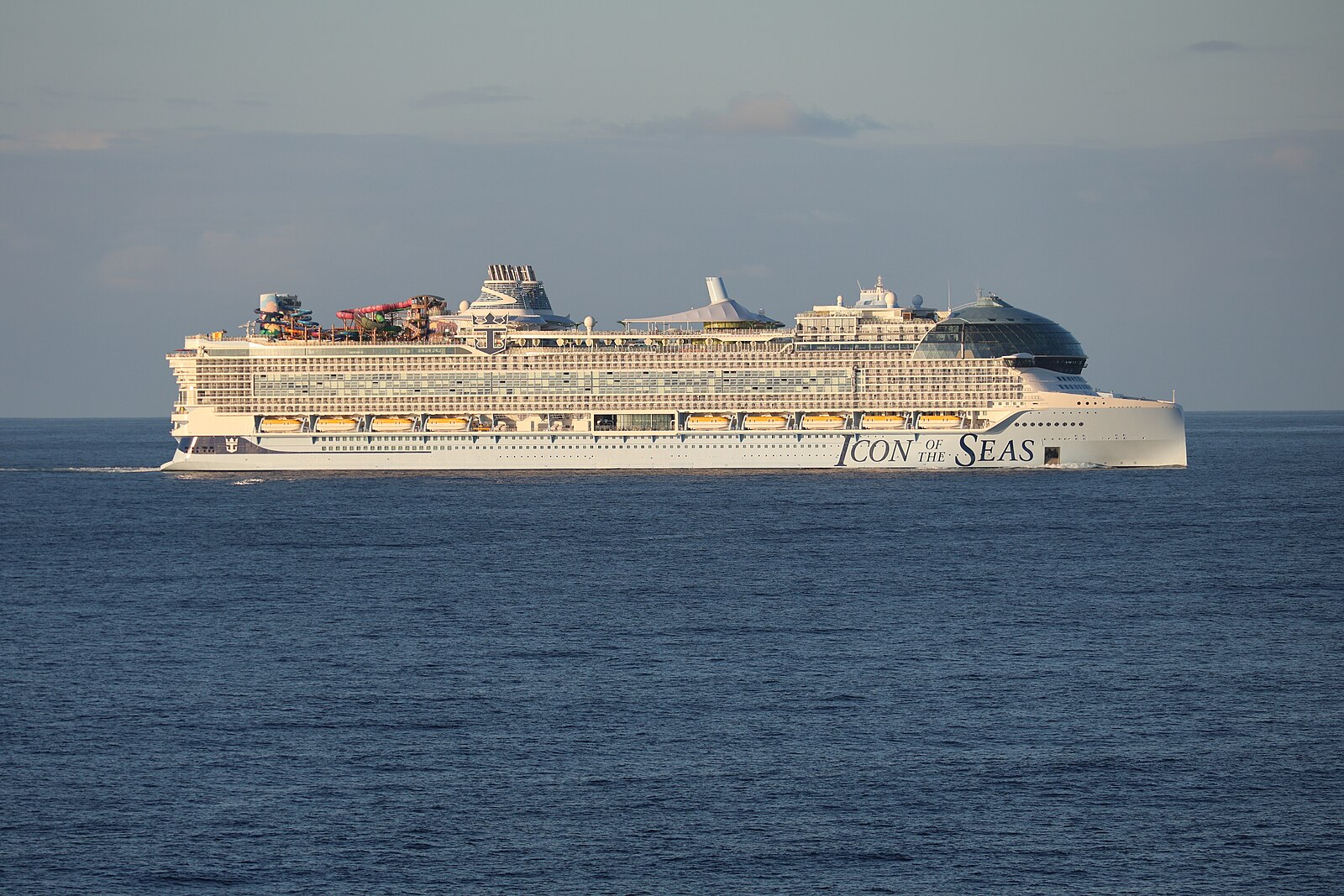
What about Icon of the Seas itself? Here the tidy $2 billion starts to wobble. Royal Caribbean’s own guide to shipbuilding says $2 billion. But the 2023 annual report states that on delivery the company “borrowed a total of $1.8 billion under the committed financing agreement” — and if that is 80% of the price, the bill was nearer $2.2 billion. Royal Caribbean has never published the contract price, the widely quoted €1.86 billion doesn’t reconcile with the loan, and we’re not going to pretend otherwise.
Why the Price Jumped Roughly 50% in Six Years
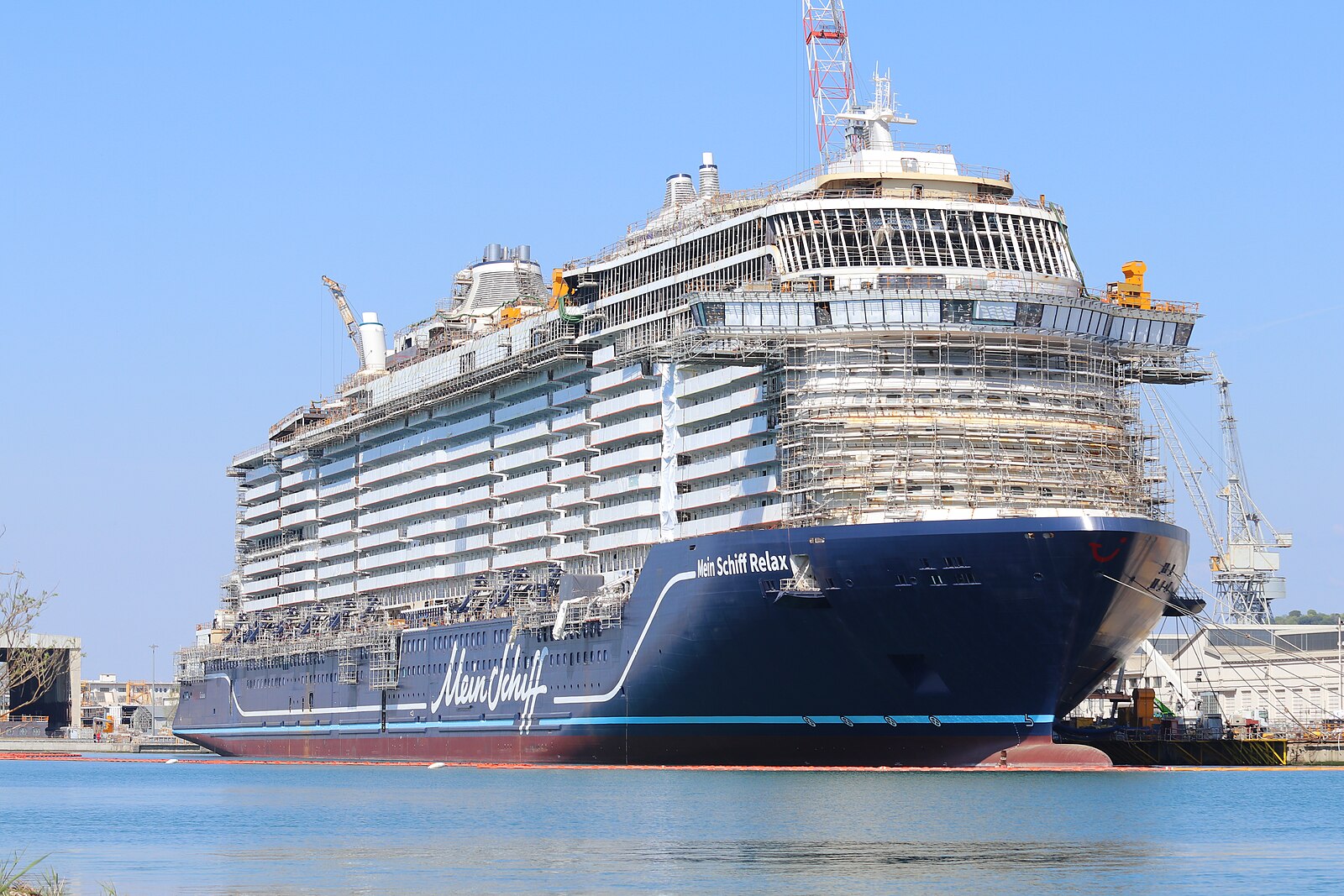
Now put two of those rows side by side, because they are the same ship in every way that matters: same class, same Finnish yard, same 5,600 berths.
- December 2019 — Royal Caribbean signs financing for the third Icon-class ship, later named Legend of the Seas. Loan ceiling: €1.4 billion. Implied price: about €1.75 billion.
- November 2025 — financing signed for the fourth Icon-class ship. Loan ceiling: €2.1 billion. Implied price: about €2.63 billion.
That is a rise of roughly 50% for the same product in six years.
And there’s a smaller detail buried in the same filing that makes the point even harder. In May 2025, with Legend of the Seas already well into construction, Royal Caribbean went back and amended her credit agreement “to increase the maximum loan amount by €334 million.” Roughly $393 million more, for a ship that was already being built. Steel, labour and a full order book don’t care what you signed in 2019.
Who Actually Pays for a $2 Billion Cruise Ship?
This is the part almost nobody explains, and it’s the most interesting bit. A cruise line does not walk into a shipyard with two billion euros. It walks in with a deposit and a guarantee from a foreign government.
Here is the mechanism, straight out of the filings:
- A surprisingly small deposit. At the end of 2025 Royal Caribbean had ships on order with an aggregate cost of about $11.3 billion — against which it had deposited $1.0 billion. Under nine percent down on eleven billion dollars of shipping.
- Roughly 80% comes from an export credit loan. Not a normal bank loan. These are sovereign-backed facilities, and the filings name the guarantors: Finnvera, Finland’s official export credit agency, for ships built at Meyer Turku; Bpifrance Assurance Export for Chantiers de l’Atlantique in France; Euler Hermes for German yards. Finland guaranteed 100% of the bulk of the Icon of the Seas loan.
- Paid back over twelve years. Every one of these loans amortises semi-annually and matures twelve years after the ship is delivered. The Icon of the Seas facility carries a fixed rate of 3.56% on most of the balance — a rate a normal borrower could only dream of in late 2023, and precisely what a government guarantee buys you.
So when someone asks who paid for Icon of the Seas: Royal Caribbean did, eventually, over twelve years, at a rate made possible by the Finnish taxpayer standing behind the loan so that Finnish welders keep their jobs. It’s industrial policy with waterslides on top.
Carnival works the same way. Its most recent annual report shows $7.8 billion of undrawn export credit facilities waiting to fund ship deliveries all the way out to 2033.
Why Small Luxury Ships Cost More Per Bed
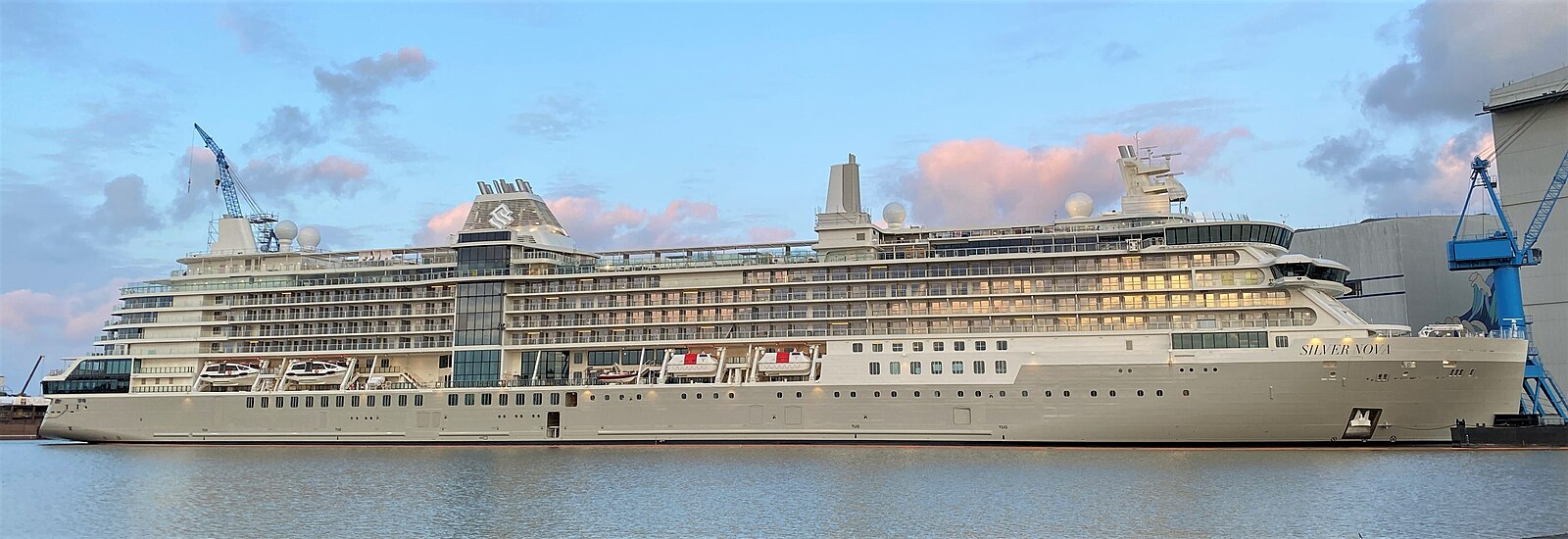
Look again at the top row of that table. Silversea’s first Evolution-class ship sleeps 730 people and implies a price near €440 million. That’s about €602,000 per bed — nearly double the Celebrity Edge-class figure and well above even the priciest Icon.
Size is the reason. A ship’s most expensive systems — engines, stabilisers, navigation, safety, sewage treatment, the lot — don’t shrink in proportion to the passenger count. Spread that fixed cost over 5,600 beds and it’s cheap per head. Spread it over 730 and it isn’t. Add bigger suites, more crew space and higher-end finishes, and the per-bed number climbs fast.
This is the single clearest answer to “why are megaships everywhere now?” They are simply the cheapest way to buy a bed at sea, and every mainstream line has been ordering accordingly for twenty years.
What Makes a Cruise Ship So Expensive in the First Place?
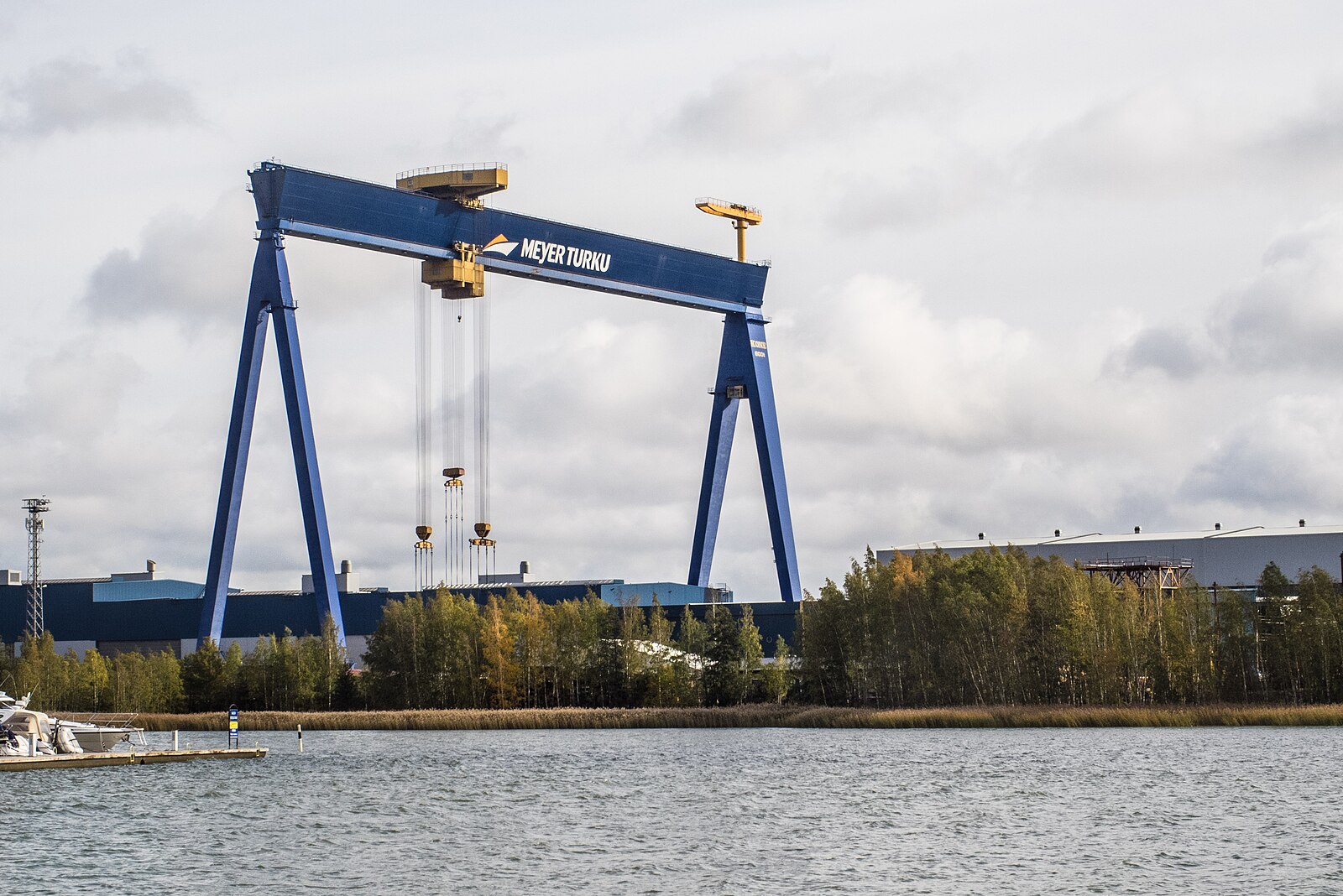
There are only four yards worth talking about. Meyer Turku in Finland, Meyer Werft in Germany, Fincantieri in Italy and Chantiers de l’Atlantique in France build essentially every large cruise ship on earth. Royal Caribbean names three of them in its own explainer. Four suppliers, a handful of buyers, and no meaningful competition from elsewhere.
And they are sold out. Fincantieri’s half-year results for 2026 report a cruise backlog of 35.5 billion euros across 35 ships, with deliveries scheduled out to 2036 — and the Princess order pushes that to 2039. When your builder’s diary is full for thirteen years, you are not in a strong negotiating position.
It takes years, not months. Royal Caribbean puts it at “over five years” from concept to delivery, with one to three years of actual construction. Every month of that is wages at European shipyard rates.
The new ships are harder to build. Icon-class, Voyager-class and the latest Carnival and AIDA ships are all dual-fuel, running primarily on liquefied natural gas. LNG means cryogenic tanks, double-walled piping and redundant safety systems that a conventional diesel ship simply doesn’t carry.
Put those together and the surprise isn’t that ships cost €2.6 billion. It’s that the queue to order one is thirteen years long.
What This Means for Your Cruise Fare
Here’s the number that reframes all of this. Royal Caribbean’s 2025 depreciation and amortisation came to $1,718 million, spread across 53,325,212 available passenger cruise days. Divide one by the other and the cost of owning the entire fleet works out at roughly $32 per passenger, per night.
(That figure also includes private islands and other assets, so treat it as a ceiling rather than a precise ship number. It is still nowhere near what most people guess.)
Four practical things follow from that:
- The ship is not why your cruise is expensive. Roughly thirty dollars a night of your fare covers the hardware. Fuel, crew, food, port fees and commissions are the bulk of it. If you’re hunting for savings, chase the drinks package and the excursions, not the ship.
- Brand-new ships cost more because of demand, not construction. Icon-class fares aren’t high because the ship was expensive to build; they’re high because everyone wants to sail the newest thing. Wait two or three years and the same ship prices like the rest of the fleet.
- Older ships are not going anywhere. Only 47 ships are on order globally, about 113,000 berths, against a fleet of roughly 430 ships and 725,000 berths. At those numbers the industry cannot replace old tonnage quickly, so a well-refurbished twenty-year-old ship remains a genuine bargain.
- Empty cabins are the enemy. With twelve-year loans running whether the ship sails full or not, lines will discount hard rather than sail light — Royal Caribbean ran at 109.7% occupancy in 2025. That is why late deals exist, and why they appear closest to sailing.
Quick Answers
What is the most expensive cruise ship ever built?
Icon of the Seas held that title on delivery in November 2023 at a widely quoted $2 billion, though Royal Caribbean’s own filings suggest closer to $2.2 billion. It won’t hold it long: the fourth Icon-class ship, due in 2027, carries a loan ceiling implying roughly €2.6 billion.
How long does it take to build a cruise ship?
Royal Caribbean says over five years from concept to delivery, with one to three years of construction depending on size. Icon of the Seas had her first steel cut in June 2021 and was delivered in November 2023.
Who builds cruise ships?
Four European yards build nearly all of them: Meyer Turku in Finland, Meyer Werft in Germany, Fincantieri in Italy and Chantiers de l’Atlantique in France. Fincantieri alone has 35 cruise ships on its order book with deliveries running to 2039.
How do cruise lines pay for a new ship?
With a deposit of under ten percent and an export credit loan covering about 80% of the contract price, guaranteed by the shipbuilding country’s export credit agency — Finnvera in Finland, Bpifrance in France, Euler Hermes in Germany. The loans typically run twelve years from delivery.
How much does a cruise ship cost per passenger to build?
Roughly $330,000 to $470,000 per berth for a mainstream megaship, based on disclosed loan ceilings. Small luxury ships are far more expensive per bed — Silversea’s Evolution class works out around €602,000 a berth — because the costly machinery is spread over fewer passengers.
The Bottom Line
A large cruise ship costs between one and three billion dollars, and the newest megaships are pushing hard at the top of that range. But the round numbers you see quoted everywhere are mostly guesses dressed up as facts. The real evidence sits in loan agreements, and it says prices have risen about 50% in six years for an identical ship from an identical yard.
The deposit is under nine percent. The rest is borrowed, guaranteed by European governments, and paid back over twelve years — which comes to about the price of a cocktail per passenger, per night.
Your balcony cost roughly a third of a million dollars to build. You’re renting it for less than a mid-range hotel room. Somewhere in that sentence is the entire economics of modern cruising.
Coming up on Cruise Chaos: what actually happens if your cruise ship leaves without you — who is responsible for getting you home, what the port agent can and can’t do, and the one thing that decides whether the line helps you or waves goodbye.
🎁 Get our free Cruise Survival Kit. Join the Cruise Chaos crew and we’ll email you our printable packing checklist and money-saving cheat sheet right away, plus the week’s best cruise stories and verified deals every Friday. Send me the free kit →
Keep Reading
- Snap, Drift, Crunch: Why Cruise Ships Keep Breaking Free From the Dock
- It Rained Inside Anthem of the Seas: Why Cruise Ships Keep Springing Indoor Waterfalls
- Cruising on a Budget: Smart Savings Guide
Sources
- Royal Caribbean Cruises Ltd, Form 10-K for the year ended December 31, 2025 (SEC) — loan ceilings for the fourth Icon-class and seventh Oasis-class ships, the Legend of the Seas amendment, order book, depreciation and occupancy
- Royal Caribbean Cruises Ltd, Form 10-K for the year ended December 31, 2023 (SEC) — the $1.8 billion Icon of the Seas delivery loan, Finnvera and Euler Hermes guarantees, Celebrity Xcel financing
- Royal Caribbean Cruises Ltd, Form 10-K for the year ended December 31, 2021 (SEC) — the December 2019 third Icon-class credit agreement and the Silversea Evolution-class facilities
- Carnival Corporation, Form 10-K for the year ended November 30, 2025 (SEC) — ships under contract, newbuild capital expenditure and undrawn export credit facilities
- Fincantieri: First half 2026 results approved — cruise backlog and order book
- Fincantieri and Princess Cruises sign contract for three new Voyager-class LNG-powered cruise ships
- Princess Cruises Announces Voyager Class Order
- Royal Caribbean: How Cruise Ships Are Built
- Meyer Turku: Icon of the Seas
- The Maritime Executive: Fincantieri Gets Order Valued at Over $2.3B for Three Princess Cruise Ships
- The Points Guy: How much does it cost to build a cruise ship?
- Cruise Hive: How Much Does a Cruise Ship Cost? Construction to Daily Operation
- Cruise Mummy: What It Really Costs to Build and Run a Cruise Ship
Cruise Chaos earns nothing from cruise bookings and links no booking affiliates. Every figure above is traced to a document we opened and linked. Spotted an error? Tell us and we’ll correct it.
You May Also Like
 What Happens When a Cruise Ship Skips a Port? Here’s What You’re Actually Owed
 What Happens If Your Cruise Is Cancelled Due to a Hurricane? Refunds, Credits and the Fine Print
 Do You Need a Passport for a Cruise to the Bahamas? The Birth Certificate Rules That Trip People Up
 Do You Need a Passport for a Cruise to Mexico? What Happens When Things Go Wrong in Cozumel