
When a Cruise Vacation Goes Viral: How to Protect Your Privacy and Reputation at Sea
Meta Description:
A cruise vacation can turn viral in minutes. Learn how cruise ship privacy works, why onboard conflicts spread online, and how to protect yourself in today’s always-connected travel world.
Cruise vacations are designed to feel like an escape. You unpack once, enjoy open ocean views, explore multiple destinations, and relax inside a carefully structured floating city.
What many travelers do not anticipate is how quickly a minor public misunderstanding can turn into viral cruise ship drama.
In today’s always-online world, cruise ships are not digitally isolated. With onboard Wi-Fi, smartphones everywhere, and social media platforms rewarding emotionally charged content, even a brief disagreement can become widely shared online within minutes.
This guide explains how cruise ship incidents go viral, what privacy actually looks like at sea, and how to protect yourself from becoming part of an unwanted cruise moment online.
Cruise Ship Privacy: What You Should Realistically Expect

Cruise ships function like compact cities:
- Thousands of passengers
- Shared dining venues
- Pool decks and lounges
- Elevators and entertainment theaters
- Continuous security monitoring
Public areas onboard are visible environments. Most ships use surveillance systems for safety purposes. At the same time, nearly every passenger carries a phone capable of recording video instantly.
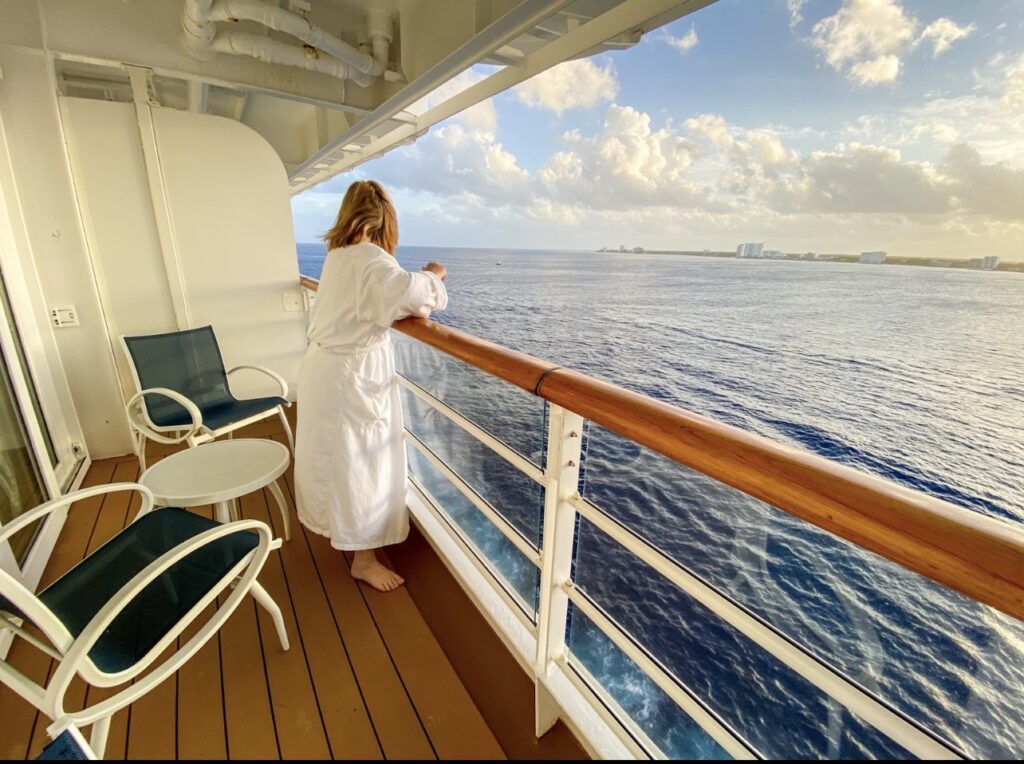
Inside your cabin, you have privacy.
On public decks, privacy expectations are different.
If something happens in a crowded public area, it can be recorded and shared. Understanding this reality is essential in modern cruise travel.
For broader preparation strategies, see our guide on How to Avoid Chaos on a Cruise.
How Small Cruise Disagreements Become Viral Videos
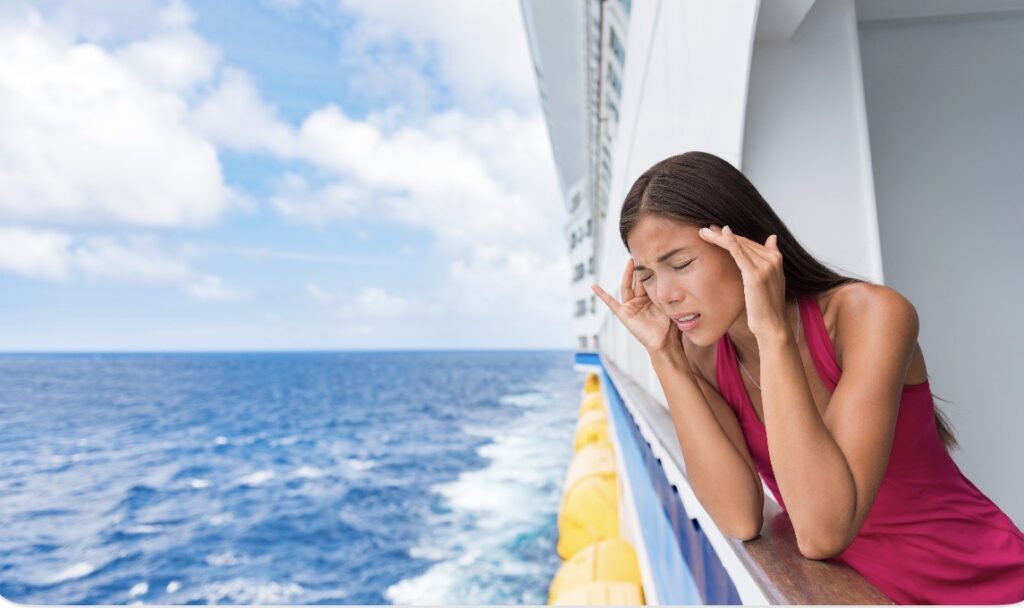
Most onboard conflicts begin as ordinary travel frustrations:
- Disputes over seating
- Long buffet lines
- Excursion confusion
- Alcohol-related tension
- Travel fatigue
In a confined cruise environment, emotions can escalate faster than expected. When bystanders begin filming, the situation shifts. A brief disagreement becomes digital content.
Social media platforms amplify short, emotionally charged clips. Context disappears. Narratives form quickly.
That is how a simple cruise ship argument can transform into a widely shared viral cruise video.
Why Cruise Ship Drama Spreads So Quickly Online
Several factors make cruise incidents particularly shareable:
1. The “Floating Stage” Effect
Cruise ships feel theatrical. There is no quick exit, which heightens perceived intensity.
2. Vacation Psychology
Excitement, alcohol packages, and packed schedules lower emotional thresholds.
3. Visual Contrast
Luxury ocean settings combined with conflict attract attention.
4. Algorithm Incentives
Social media platforms prioritize engagement. Conflict generates clicks.
This combination explains why cruise ship drama stories often trend.
If you want to understand onboard conflict patterns further, read Cruise Ship Fights: Why They Happen and How to Stay Safe.
The Emotional Impact of Going Viral at Sea
What viewers rarely consider is the personal impact.
Passengers involved in viral cruise moments may experience:
- Embarrassment
- Anxiety
- Social withdrawal onboard
- Online criticism
- Long-term digital exposure
A short clip rarely reflects the full situation. Fatigue, misunderstanding, and tone are often absent.
Going viral is not the same as being understood.
How to Protect Yourself on a Cruise Ship
Modern cruising requires digital awareness. The following steps significantly reduce risk:
1. De-Escalate Immediately
If tension rises, disengage early. Walking away protects reputation more than winning an argument.
2. Moderate Alcohol Intake
Alcohol is frequently involved in cruise ship conflicts. Pace consumption and stay aware of surroundings.
3. Avoid High-Density Stress Windows
Peak times increase friction:
- Boarding day buffet rush
- Late-night pool parties
- Post-show elevator congestion
Choosing off-peak times reduces exposure.
4. Assume Public Visibility
If you are in a public space, behave as though you may be recorded.
5. Avoid Online Engagement
If a clip circulates, public responses often amplify reach. Silence limits algorithm traction.
For additional onboard safety guidance, review Balcony Safety and Avoiding Cabin Issues at Sea.
What Cruise Lines Do to Maintain Order
Cruise companies invest heavily in onboard safety. Standard procedures typically include:
- 24/7 security presence
- Surveillance monitoring
- Rapid response teams
- Behavioral policies
- Possible removal of disruptive passengers
Physical altercations remain statistically rare relative to the millions of passengers who sail each year.
Cruising remains one of the most structured and regulated vacation environments available.
Travel in an Always-Connected World
The ocean no longer separates travelers from the internet.
High-speed Wi-Fi packages, live streaming, and social sharing culture mean that public moments can spread instantly.
This does not mean cruise vacations are unsafe. It means awareness is part of smart travel.
Calm responses, strategic timing, and situational awareness protect both your experience and your reputation.
Final Thoughts
Most cruise vacations are peaceful and memorable for the right reasons. Millions of passengers sail every year without experiencing conflict or unwanted digital exposure.
However, in crowded public environments, small misunderstandings can escalate online even if they resolve quickly onboard.
The most effective protection is simple:
- Stay composed
- Walk away early
- Respect public visibility
- Prioritize long-term peace over short-term reaction
Cruising remains an exceptional way to explore multiple destinations in comfort. With preparation and awareness, it can stay that way.
Travel smart. Travel aware. Enjoy the ocean — responsibly.