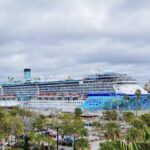

The concept of the Caribbean cruise is a restful holiday, where it is sunshine deck chairs and the blue sea, exotic tropical landscape, and slow-paced lifestyle of a sailor. Nevertheless, even the most comfortable cruise ships will need to struggle with something that is far beyond their control at a moment when nature decides to get even. The recent hurricane Melissa which is a rapidly developing and powerful storm system has led to the total confusion of many vacations and the vulnerability of the maritime transportation during the severe weather conditions has been shown.
The storm struck on an extremely minimal notice in the sense that they crippled schedules, ports were closed and the cruise companies found themselves in desperate scramble trying to rescue the lives of their passengers and employees. What initially began as a light tropical storm, rapidly escalated into a complete hurricane to the shock of the people in charge of weather forecast and those in charge of cruise liners. It was one of the most disruptive weeks in the modern history of cruising in the Caribbean, where there were apprehension and bewilderment and expediency upon the open.
It is a detailed analysis of the resultant mess, the experience of the passengers, the plight of the workers in the cruise ships and the long term implication of Hurricane Melissa on the industry.
Strengthening and Development of Hurricane Melissa
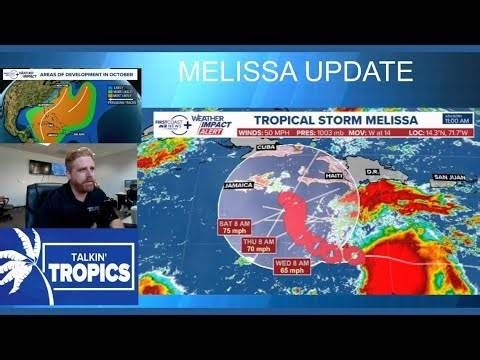
Hurricane Melissa was born unusually quickly when it was developed as a result of a cluster of thunderstorms in the western Atlantic. The storm took a short duration to gain strength due to warm ocean temperatures, and widely known as the fodder of hurricanes. The tropical disturbance later in a few hours became a tropical storm and soon after it was changed to the category 2 hurricane with strong sustained winds that might hamper the major sea routes.
Cruise lines maintain a close vigilance on the weather and majority of them have highly elaborate monitoring systems that predict the dangers. However, the rapid growth of Melissa never allowed having much time to get used to. It was transformed into a full-scale crisis within a little less than 24 hours, which is known as rapid intensification. The accident showed that the Caribbean weather is unpredictable and how the most balanced cruise companies can be compelled to act on a moment-night basis.
The First Omens of troubled Sea
Any weather warnings did not signal to most passengers that something had gone wrong, but it was the directions of their ship which they could hardly discern which had changed. Cruise liners would alter their routes abruptly, slow down or even cancel the scheduled visitations to a port. It was not long before tourists who had visited Jamaica, Bahamas or St. Lucia to see the islands were informed of a disappointing news.
The atmosphere in the cabin had changed to the one of suspense. Those passengers that were simply crowding into corridors and lounges discussed the possible storms and stared at radar display and the news of the weather channel on the screens of the ship. The crews members were reassuring the passengers in a reassuring tone, however, in the background, they were already avoiding a situation that was becoming increasingly risky.
Ports Near, Itineraries Crash
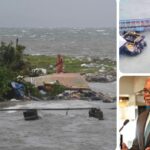
The local authorities rapidly closed down the ports when Hurricane Melissa was heading the Caribbean. Jamaica had been anticipating the arrival of several cruise liners into its waters yet it shut down operations holed by huge winds and rough waters sweeping through its coastlines. Other islands were following behind shutting down their doors to incoming vessels.
There was a pressing job that Cruise lines had to do:
- The alternative safe ports, typically more north or west where the storm could be evaded, were identified.
- Onboard operations to assist passengers to adjust to significant changes in the schedule.
The months-long itineraries were ruined in a few seconds. Others had to spend long durations at sea. Some of them went back to previous ports to get gas and re-operate. Purchasers of excursions months before now watched their plans fall through in a span of seconds as many of them were left frustrated and disappointed.
Life Onboard of the Hurricane
The Caribbean waters that had been on calm had become turbulent as the storm approached. Waves were mounting higher, the decks were blown through, and the stabilizers of the ship were straining to give the boat balance. Some of the passengers who were already feeling anxious about sailing, had experienced the full impact of the unpredictability of nature.
The circulation was further reduced around the ship. Safety-related closure was done to outdoor pools and decks. Restaurants rearranged the seats to avoid getting hurt due to sudden tilts and sways. Hours were passed in their cabins by many of the passengers, as they could hear the growling of the storm and the wave that was turning upon them like a floating fortress fighting the storm.
To others it became inevitable to be sick at sea. There were medical teams that were on a 24 hour shift distributing medicines and taking care of the tickets that were disturbed by the harsh conditions.
Nevertheless, chaos turned cruise staff members into unsung heroes. Entertainers still staged shows at any given time successful conditions permitted. Chefs maintained food supply despite the supply problems. Guest reassurance and updates were handled by the hospitality staff members with great professionalism and tension was realized on board.
Behind the Scenes: Crew Battles and Live Action
Whereas the passengers could have seen the tip of the iceberg with regard to the disruption, crews were confronted with a whole new dimension of complexity. Cruise navigation teams were keeping a close eye on the changing forecasts per hour that made adjustments to their routes in order to avoid the worst of the storm. Every course change had to be approved by maritime authorities and thus coordination was always an issue.
There was also a problem of fuel consumption. Ships being forced to detour around the hurricane spent hours or days of unplanned travel and had to manage their resources. Kitchens were forced to ration since delivery time was disrupted. The work of house keeping teams was hard in order to preserve hygiene and order in the ship.
Communication was probably the biggest burden. Passengers wanted to know, be informed, and reassured and it was the task of the crew to provide them with updates even when information was evolving by the minute.
Reactions of Passengers
Hurricane Melissa had a vast number of feelings to the travelers because of the inconvenience it brought out. Some of them were terrified as the waves hit the hull of the ship. The rest of the population was irritated in the process of having to reschedule outing places. The families that had children in them had to live in poor circumstances and disrupted times.
But despite the confusion, most of the passengers would connect with each other using common experiences. Lounges also served as meeting points where stories can be told, laughter and games can be enhanced. Foreigners looked after each other. Employees made their own events to cheer up the atmosphere: trivia, movie marathons, and indoor games, as well as thematic dance nights in safe indoor locations.
The storm made the cruise, in numerous aspects, a sudden survival experience, one that the passengers would never forget as well.
Epic Failures in Air and Ground Travel and Cruises
The cruise liners were not the only ones hit by Hurricane Melissa, as the hurricane also brought the Caribbean airports to a halt, the ferry service to the islands, as well as the tourism businesses. Flights were delayed or cancelled and others left alone after getting off. Tours were canceled as tour operators suffered a loss of money. Local businesses which had transactions with cruise tourism suffered temporary setbacks in the form of cafes, markets, souvenirs shops.
This inter-religious meltdown was an expression of the degree to which the Caribbean economies are dependent on the cruise operations. Several thousands of workers in many industries were affected by a week of port shutdowns.
Lessons Cruise Lines Learned
Hurricane Melissa taught some valuable lessons to the cruise operators. The most important issue in crisis response was flexibility. Firms started to reconsider the hurricane monitoring systems, and the focus on more rapid communication between the meteorologists, ship captains, and corporate headquarters.
Certain cruise companies even thought of retrofitting their ships with superior stabilizers and more fuel efficient systems in order to accommodate extended routes. Emergency supply management was checked by the operational teams to coordinate on long sail time in case of storms in the future.
The protocols of passenger communication were also reconsidered. Applying timeliness, honesty, and clarity in the announcements was one of the priorities to minimize confusion and trust.
What can be learned of the Chaos by Passengers
The experience of the hurricane also taught a lot to the travelers. Cruise booking in the time of the most severe storms is never safe, and Hurricane Melissa made it clear that it is essential to be updated and adaptable. The knowledge of safety drills, attention to weather reports, and hearing the instructions of the crew became the key not only to the formalities.
The case also highlighted the importance of travel insurance. Uninsured passengers lost the money on missed outings and flight cancellations and those who were insured reclaimed their losses with less hassle.
In conclusion, the mess showed all the travelers the fact that nature is beyond control regardless of the development level of the ship and the luxury of the cruise.
Recovery and Resilience of the Caribbean
The Caribbean islands started to evaluate the damage and open ports after Hurricane Melissa had passed. Local settlements were fast growing to restructure and accept new tourists again. Cruise lines collaborated with authorities in order to have routes restored, port safety ensured and operations resumed as quickly as possible.
The Caribbean has always been very resilient. Its citizens and enterprises have endured many tempests, and Melissa was another ordeal–one to which the land met with resolution and concert.
Conclusion
Hurricane Melissa was catastrophic to the Caribbean cruises because it caused extreme alteration in itineraries, rough seas, port shut down and emotional trauma on thousands of passengers. Yet it demonstrated the amazing power and agility of the crews of the cruise ships, endurance of the travelers, and might of the nature to reconstruct even the most carefully planned trips. The storm was a nice lesson that despite the beauty and adventure fun that the cruising is, the ocean is unpredictable.